
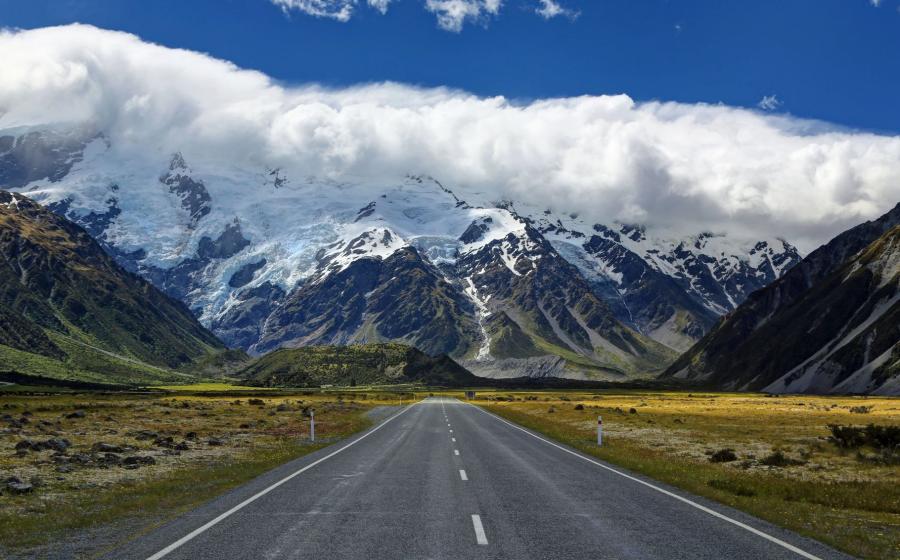

Renting a car and driving yourself is one of the best ways to explore New Zealand and the spectacular scenery the country is famous for. While there are cons to renting a car on vacation, the benefits of getting your own wheels far exceed the negatives, creating an unforgettable trip with the freedom to go where you want, at your own pace.
In order to get the most out of your vehicle and guarantee you have the best car rental experience, it is worth considering a few key aspects to make the right choice for your travel needs.
Group Size
When deciding on the ideal car to rent for your next New Zealand vacation, one of the most important considerations to make is the size of the group you are traveling with. For solo or couple trips, a smaller sedan or compact car is more than enough, while larger families or groups will need a larger SUV or minivan to ensure everyone can fit safely and comfortably with their luggage.
If you need to travel with baby equipment, like a car seat or pram, sports equipment, or camping gear, you will need additional space to accommodate these bulky items.
Budget
When renting a car, it is important to remember that your budget needs to cover more than just the basic rental cost. Alongside daily rates, you will need to factor in insurance, fuel costs, toll fees, parking fees, and additional costs for added features like GPS and child seats if necessary.
Once you have established your budget, you can use it to guide your vehicle choice, choosing an option that offers good mileage and safely accommodates your group size. Smaller cars are traditionally more fuel-efficient, while larger cars provide better space and comfort at a higher cost. Additionally, cars laden with heavy camping equipment will use more fuel more quickly, which can drastically increase your fuel costs.
Terrain
Alongside the size of your travel party, another vital consideration is the type of trip you are planning (here's a list from a local on her best recommendations!). If you plan to stick to major cities and motorways, a smaller, fuel-efficient car will be ideal for navigating narrow roads and traffic.
However, if you are planning on heading off-road or traveling to more rural and remote areas, opting for an SUV or 4WD is essential. These types of vehicles are also crucial for tackling more challenging conditions like increased rainfall, snow, ice, and sand.

Reviews
Reading customer reviews is a fantastic way to learn valuable information about the performance and reliability of the car model and the rental company itself. Look for comments to provide information about the condition of the cars, the quality of the customer service, the availability of added features, and the overall rental experience.
In turn, consider leaving your own review of your experience using the company, whether good or bad, to help potential customers make a more informed decision.
Rental Terms & Conditions
Before finalizing your rental agreement and driving off the lot, it is vital to thoroughly read and understand the rental agreement in full. Pay careful attention to the insurance policy, mileage limits, fuel policy, and other additional costs for special features that may be included in your package.
Clarify any uncertainties or inconsistencies with your consultant before leaving to avoid unexpected charges or issues down the line. Furthermore, it is important to clarify what you should do in case of a breakdown or emergency, and whether roadside assistance is included in your rental.
Special Features
Many rental cars come equipped with special features that can significantly enhance your overall driving experience. These features can include GPS navigation, which takes away the stress of navigating unfamiliar roads; Bluetooth connectivity that lets you sync your phone for hands-free calling and seamless music streaming; and child car seats.
In New Zealand, it is a legal requirement for all children under the age of seven to be in the correct child seat to match their age and size. This law is strictly enforced, and traveling overseas with car seats in tow can be a cumbersome task. Instead, include it in your rental for an additional charge.

Driving Requirements in New Zealand
In order to rent a car in New Zealand, you need to be at least 21 years old, although some rental companies require registered drivers to be 25 or older. International drivers are legally allowed to drive in the country for up to 12 months with a valid driver’s license from their home country. However, if their license is not in English, they will need to obtain an International Driving Permit (IDP) or a certified translation.
Unless you plan to take out full coverage insurance on your rental vehicle, you will typically need to provide the rental company with your credit card details for a holding deposit. Before leaving for vacation, it is best to confirm with your credit card company that your limit is high enough to accommodate this, if needed.
Finally, in New Zealand, rental companies must include insurance in their packages. This policy is basic insurance and typically covers only the minimum required to legally drive in the country. Due to the limited nature of this coverage, it is recommended to check with your credit card company or travel insurance policy for any extra insurance options that may be included to cover car rentals.