
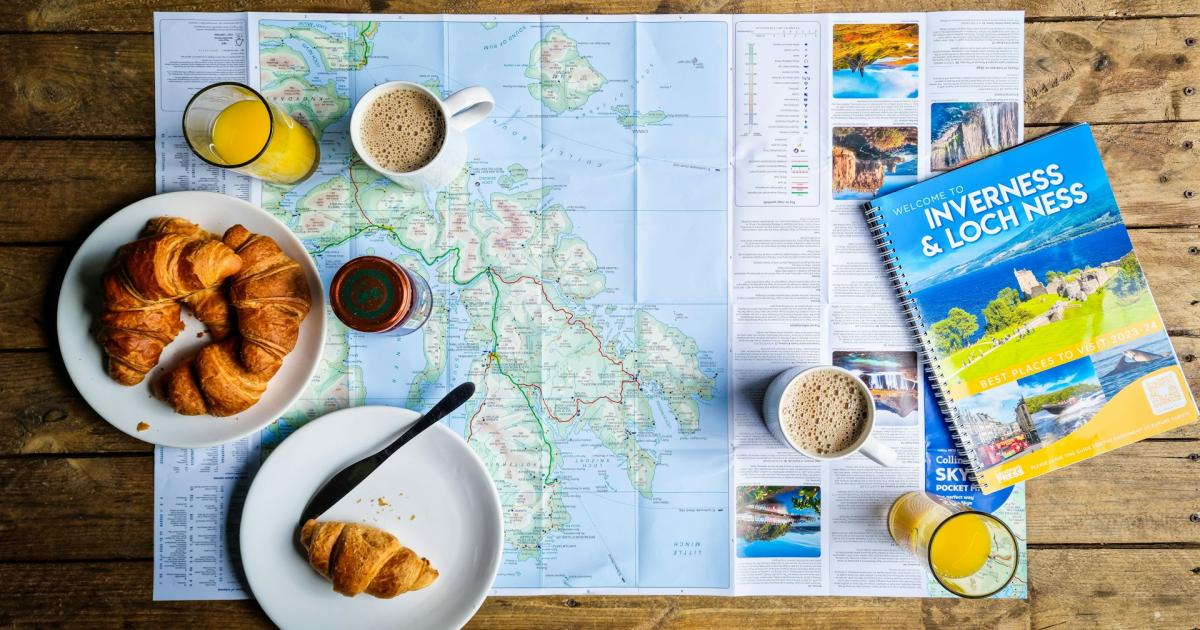

Travel is personal. Some travelers may prefer a peaceful holiday on the beach, while some may plan a family holiday or a tour with history and culture. So why is it that every person gets to view the same travel message?
With AI, travel brands can now produce a more personalized ad campaign targeting various travelers. Brands can design ads that align with peoples' interests, trip itineraries, and needs, as opposed to sending a single message to all. How does this work, though?

Understand Different Travelers
It's important to realize that travelers aren't a monolith. Families look for safe hotels and fun activities for children. Students are usually interested in low cost travel and learning opportunities. Couples seek a romantic getaway, and solo travelers often opt for an adventure that is flexible and exciting.
AI can be used to analyse customer behaviour and segment them into these different groups. It is capable of analyzing users' search data, page visits, and interactions with travel content.
This enables brands to develop ads that are more in tune with their messaging. A traveler could see a direct ad to their travel goals if you would have "Plan your next vacation" written as such.
Personalize Destination Ads
The city a customer wants to visit can give a brand a lot of information about their interests.
The visitor interested in museums and historical sites will have a completely different trip from the visitor searching for beaches and water sports. Why would they be the same group for both ads?
AI can assist brands to develop unique ads for various destination interests. An historical enthusiast would be able to visit cultural tours and historical sites, while an adventurous person would be able to visit the hiking or camping sites and participate in an outdoor activity.
The more pertinent the message, the clearer it becomes to the traveller why the destination might be appropriate for them. A ChatGPT ads platform can support this approach by helping brands create different advertising messages around specific travel interests.
Design ad campaigns for families
Personalization can also help to significantly enhance family travel.
The concerns of parents may vary when making travel plans. Does the hotel have kids' facilities? Do children have activities to participate in? Can you even go there with the kids?
These interests can be applied to develop more helpful ads for travel brands. It could promote family-friendly activities, hotel accommodations, local spots, or even give a quick tip on how to get to the location.
Such information can help to make an advertisement appear useful, rather than promotional.
Reach Educational Travelers
Travel is a means of learning, too. Trips are often sought by students, teachers, and families for cultural, historical, and/or educational experiences.
Travel brands can leverage AI for creating ads based on these interests. The campaign can focus on visiting the museum, visiting monuments, cultural festivals, language experiences, or educational trips.
For instance, a place with a deep, rich history should be marketed as a historical site, as well as a site for learning new things.
Would it not be more interesting if an advertisement provided a reason for you to look beyond taking photos?
Use Different Languages
Travel brands tend to converse with individuals from several countries. A consistent message and language for all may not be the best approach.
AI is able to tailor language-rich ads and translate them into various languages. This facilitates travelers to grasp offers, destinations, along with vital traveling information.
A LLM advertising platform can support this process by helping brands create variations of ad messages for audiences who speak different languages.
But it's not enough to translate it directly. The message should be natural and appropriate to the culture of the audience. It is still crucial to have human oversight to ensure that the advertisement is authentic and resonates with the audience.
Make your travel more individualized
People's travel preferences vary over the course of the year.
Travelers are excited to plan for a summer holiday and beaches in summer. During the winter season, they may search for skiing, Christmas markets, or warm places (to escape that cold weather!). Students love to plan trips during breaks of the school or university.
AI can assist travel brands in fine-tuning their advertising strategies according to those seasonal interests.
Brands can develop messages and campaigns that are relevant to travelers' thoughts at the moment, instead showing the same campaign year-round.
Create better travel visuals
Visuals are crucial to travel advertising. When the image is an attractive “destination” photo, it can capture a person’s attention and conjure up images of them being there.
Brands can use AI to generate various travel ads in a short amount of time. They can experiment with various headlines, images, message and layouts to determine which one gets the most attention.
However, travel brands must be mindful when they make an impression of a complete different destination from the actual one. High quality photographs and accurate descriptions enable travellers to have a clear idea of what they are going to find. Honesty is key here, both visually and written.

Travel brands have new avenues to craft ads that are more personal and more useful with the help of AI. Whether it is going on holiday with family, going on an educational tour, travelling for culture or travel alone, brands can develop various messages for various travelers.
The intent is not to display advertisements to people more. It's to display them ads that really relate to their interests.
The curation of travel stories, useful information, and creative content by humans can make travel advertising more relevant, while maintaining the personal touch that makes travel planning so fun.