


The first time a Zodiac noses up to a cobbled beach on the Antarctic Peninsula, the brochure stops mattering. Gentoo penguins go about their business nearby, glacier ice groans somewhere across the bay, and the quiet feels enormous. Getting to that moment, though, starts months earlier with a decision that marketing rarely makes easy: which ship, and which operator? This guide is for travelers, and for the educators, parents and lifelong learners among them, who want to make that choice with their eyes open.

Many Antarctic operator comparisons rely on subjective impressions rather than verifiable figures. Reading Swan Hellenic's Antarctic pages alongside competitor sites shows that the numbers genuinely separating operators — hull ice ratings, passenger counts, staff-to-guest ratios, and what the fare actually covers — tell a more honest story than photography and testimonial marketing.
The specific figures worth comparing across any Antarctic operators:
- Polar Class designation (the IACS PC1–PC7 scale, with PC1 being most capable)
- Total passenger capacity of the vessel on your specific departure
- Expedition staff to passenger ratio, counting guides rather than total crew
- How much of the shore and activity program the base fare covers
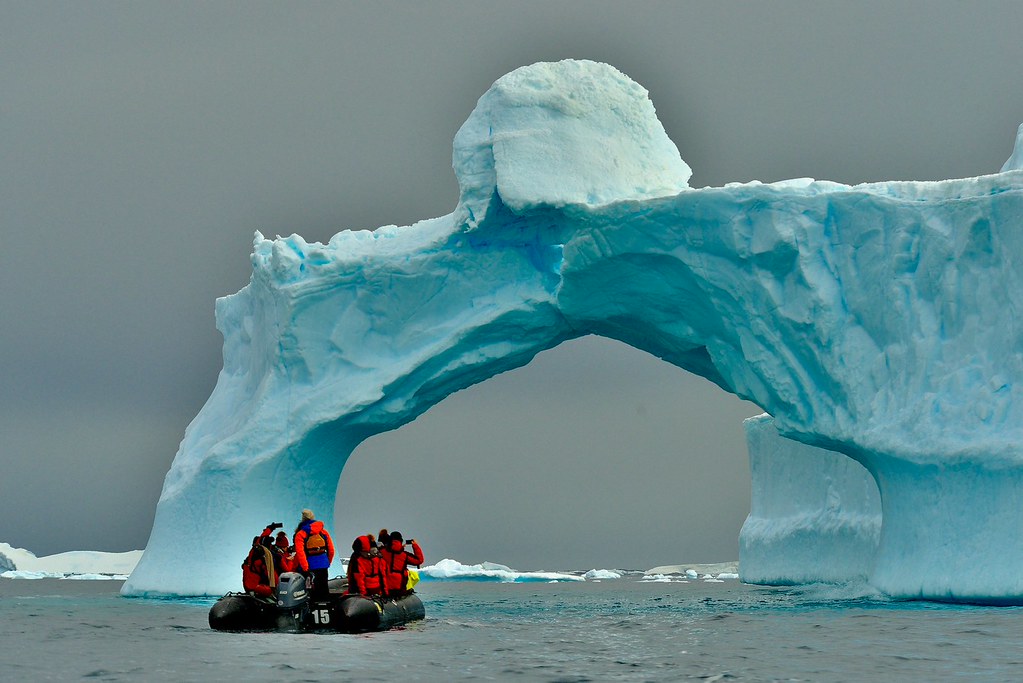
6 Antarctic Operators Compared by Verifiable Numbers
Swan Hellenic
Swan Hellenic's Antarctic program runs on three ships: SH Vega and SH Minerva each carry 152 guests in 76 staterooms on PC5 Polar Class hulls, and SH Diana carries 192 guests in 96 staterooms on a PC6 hull.
Key Swan Hellenic figures in context:
- 152–192 guests: small enough for two Zodiac rotations at a landing site
- PC5: year-round operation in medium first-year ice (70–120 cm); PC6 covers the same ice in summer and autumn. All three ships sail the Weddell Sea route
- Fare inclusions: Zodiac landings, one shore excursion per port, beverages (premium labels extra), standard Wi-Fi, gratuities, port taxes, and an expedition parka and boots; kayaking is an optional extra
- SETI Institute and Chopra: named, verifiable institutional partnerships
The guest count matters operationally: IAATO allows no more than 100 passengers ashore at one time at a landing site, so a 152- or 192-guest ship lands in two groups, while a ship of around 260 needs three, so each group spends longer waiting on board.
Quark Expeditions
Quark's 2026 brochure puts guest capacity across its fleet at 138 to 199, and the ships differ in more than size: Ultramarine, for example, carries two helicopters. That spread makes fleet-level comparisons misleading. Confirm the vessel assigned to your departure and its specifications before any comparison is meaningful.
Silversea Expeditions
Silver Endeavour carries 220 guests on a PC6 Polar Class hull, with 207 crew listed on Silversea's ship page. Butler service comes with every suite, and Antarctic fares include beverages, gratuities, and guided Zodiac outings. The model reflects Silversea's traditional luxury hospitality as much as expedition-first programming.
Seabourn Expedition
Seabourn Venture carries 264 guests in 132 suites with a PC6 Polar Class hull — the scale at which IAATO's 100-passenger limit means three landing rotations. Published crew figures for the ship vary between sources, from 120 to 200, so this is a ratio worth asking Seabourn about directly.
Ponant
Ponant's expedition ships carry from 184 guests (the Ponant Explorers series) to 264 (Le Boréal) on ice-strengthened hulls. Le Commandant Charcot carries up to 245 guests on a PC2 hull — the numbers flip the typical capability-capacity tradeoff, with the highest ice rating in this comparison on one of its larger ships.
Lindblad Expeditions–National Geographic
Lindblad's National Geographic Resolution and National Geographic Endurance each carry 138 guests in 76 cabins on PC5 hulls, with 116 staff and crew per ship. Their National Geographic partnership provides a verifiable third-party credential alongside the expedition operator's own claims.

The Number Operators Rarely Publish
Staff-to-guest ratio is the hardest figure to find: the ship pages checked for this comparison list total crew, not expedition staff. A vessel carrying 150 guests with 18 expedition staff operates very differently from one carrying 200 guests with 12 — roughly one guide per eight guests versus one per 17. IAATO sets the floor at one staff member per 20 visitors ashore; the gap above it determines how much personal access to expertise each passenger gets. Ask for this number directly. Total crew includes kitchen, cabin, and engineering staff, so it doesn't reflect expedition programming capacity.
Verify the Numbers Behind Your Antarctic Voyage at Swan Hellenic
For travelers who want verifiable figures rather than marketing impressions, the page for Swan Hellenic Antarctic Cruises lists every Antarctic route with the ship assigned to each departure — the starting point for checking the vessel, capacity, ice rating, and inclusions behind any sailing and comparing them across Antarctic operators.
Antarctica rewards curiosity. Whichever ship you choose, the days fill with talks on ice and wildlife, landings in places few people ever see, and evenings comparing photos with fellow travelers who feel the same sense of wonder. Do the homework on the numbers first, then let the continent do the rest.