
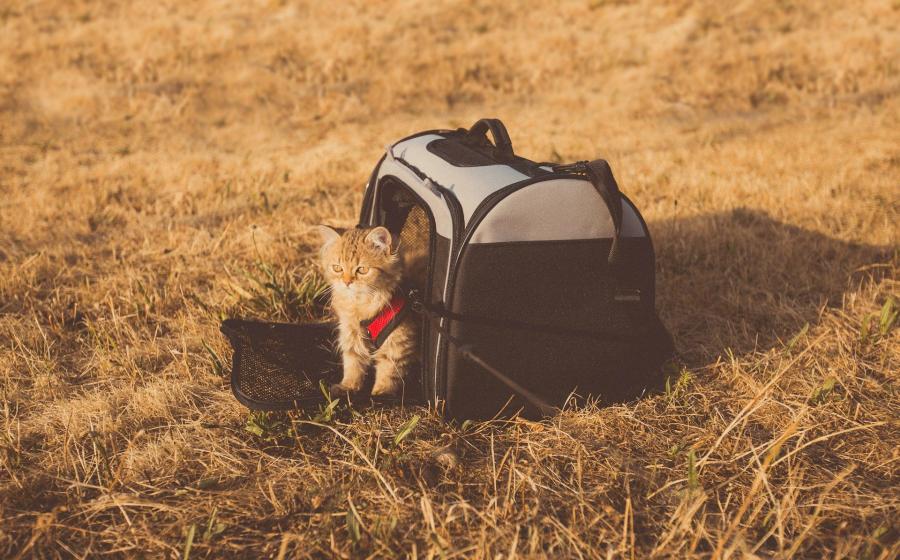

Traveling with pets is becoming more common every year. Some people move between cities for work, others study abroad, and many simply prefer taking their pets on vacation rather than leaving them behind. Cats are now regular travel companions for road trips, long-term stays, and even international relocation. At the same time, cat owners understand that traveling with pets requires more preparation than ever before.
Unlike dogs, cats usually prefer stable routines and familiar spaces. Sudden environmental changes may affect their mood, appetite, and behavior. Because of this, many pet owners now rely on modern technology and scientific tools to make travel safer and less stressful. Genetics, digital health tracking, and online veterinary support are changing how people care for cats while on the move.

Why Cats React Strongly to Travel
Cats are naturally sensitive animals. New sounds, crowded airports, unfamiliar hotel rooms, or long car rides can create anxiety. Some cats become quiet and withdrawn during travel, while others show stress through aggressive behavior or digestive problems.
This is why preparation matters before any trip. Responsible owners usually organize vaccination records, review transportation rules, and prepare emergency contact information in advance. But today, preparation goes further than basic travel planning. Many people now study their cat’s health background and behavioral tendencies to better understand how their pet may react in unfamiliar situations.
Travel has also become more flexible in recent years. Remote workers and digital nomads often spend months away from home, meaning pets must adapt to changing environments more frequently. As a result, long-term wellness management has become an important part of modern pet care.
How Genetics Help Owners Make Better Decisions
Pet genetics has developed far beyond simple breed identification. Modern DNA testing tools now provide insights into inherited traits, health markers, and behavioral tendencies. For travelers, this information can become surprisingly useful.
If an owner knows their cat has a tendency toward sensitive digestion, they may avoid changing food during travel. If a report shows increased risk for dental issues or obesity, owners can plan preventive care before starting long trips. Small decisions like these help reduce unexpected health problems while away from home.
Another reason people explore these services is curiosity about breed background and inherited characteristics. Many mixed-breed cats show personality traits linked to their ancestry, which can explain certain habits or sensitivities. Before choosing a service, owners often compare factors like the cat dna test price, included health reports, and available wellness insights to find the best option for their needs.
The goal is not only to learn where a cat comes from, but also to understand how to care for it more effectively during everyday life and travel.
Technology Makes Traveling Easier for Pet Owners
Modern pet care technology has made traveling much more manageable than it was a decade ago. Many cat owners now use GPS trackers, portable water fountains, smart feeders, and mobile veterinary apps during trips. These tools help maintain routines even in unfamiliar places.
Portable carriers have also improved significantly. Modern designs focus on ventilation, comfort, and stress reduction, helping cats feel safer during flights or long drives. Some carriers even include calming features and temperature monitoring systems.
Digital veterinary services are another major change. Online consultations allow travelers to speak with professionals quickly when minor health concerns appear during trips. Instead of searching for emergency clinics immediately, owners can first receive advice remotely and decide whether in-person treatment is necessary.
Experienced travelers often recommend keeping routines as consistent as possible. Feeding schedules, sleeping habits, and familiar objects all help cats feel more secure. Bringing favorite toys, blankets, or bedding can make temporary spaces feel less unfamiliar.
Traveling with cats still requires patience and careful planning, but science and technology have made the process much more manageable. Genetics, wellness tracking, and digital health tools give owners better information about their pets and help them make smarter decisions during travel. For people who regularly move between places, these modern approaches are becoming an important part of responsible pet care.