
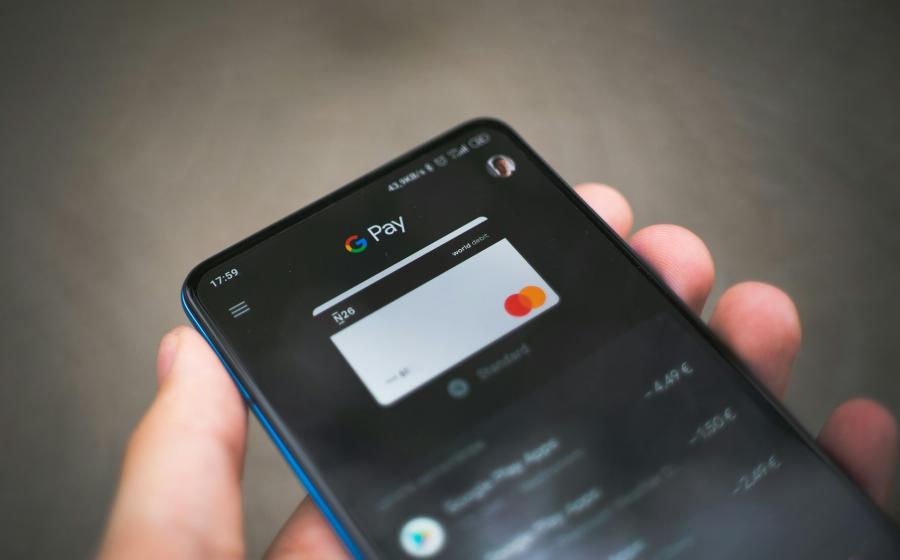

The way people pay for goods and services has transformed more in the last two decades than it did in the previous two centuries. Moving from physical wallets stuffed with cash and cards to simple taps of a phone or watch, digital payments are now an integral part of daily life. This evolution has changed not just how people shop at home but also how they interact with economies around the world.

From Cash to Contactless
Not long ago, the primary methods of payment were cash and checks. The introduction of credit cards was a major shift, but the fundamental process still involved a physical object. The real revolution began with the internet, which opened the door to online shopping and digital transfers. The history of digital payments shows a steady progression toward convenience and speed.
This shift has also changed what businesses need from their payment systems. Modern options like North payments can help businesses accept faster, more flexible transactions through smart POS hardware and contactless payment tools. The benefits of contactless payments include enhanced security and convenience, reducing checkout times from minutes to seconds. For travelers, this means less fumbling with unfamiliar currency, easier ways to manage money while traveling, and more time enjoying the destination.
Security in Your Transactions
With every digital transaction, a huge amount of sensitive data is transmitted. This raises valid questions about security. How is your financial information protected when you buy a coffee or book a flight online? Modern payment systems use several layers of security to keep your data safe.
One of the most important technologies is tokenization. When you add your card to a digital wallet, the system replaces your actual card number with a unique digital "token." This token is what's used during the transaction, so your real card details are never exposed to the merchant. Encryption is another critical layer, scrambling your data as it travels from the payment terminal to the bank's servers, making it unreadable to anyone who might intercept it.
How Businesses Handle Payments
For a customer, a digital payment is a single tap. For a business, it's a complex process that needs to be fast, reliable, and secure. Merchants must have the right infrastructure to accept a wide variety of payment methods, from traditional credit cards to mobile wallets like Apple Pay and Google Pay. This is where specialized payment processing solutions become essential.
When you complete a purchase, the merchant’s point-of-sale system communicates with a payment processor to authorize the transaction. This involves verifying funds and checking for fraud in a matter of seconds. Businesses often rely on integrated platforms to handle this entire workflow. Such systems ensure that every transaction is processed securely and that the funds are correctly transferred, allowing business owners to focus on their customers instead of the technical details of payment acceptance.
The Future of Financial Exchange
The evolution of payments is far from over. We are on the cusp of even more integrated and invisible ways to transact. Biometric payments, which use your fingerprint or facial recognition to authorize a purchase, are already becoming more common. This adds a layer of security that is unique to you and impossible to replicate.
Looking further ahead, the Internet of Things (IoT) will likely play a larger role. Imagine your smart refrigerator ordering groceries when you're running low or your car automatically paying for parking as you enter a garage. These automated transactions will make daily life more efficient by removing the manual step of payment altogether. While widespread adoption is still on the horizon, the technology is rapidly developing.
Empowering Small Merchants
Perhaps one of the most significant impacts of digital payments is the empowerment of small businesses and individual entrepreneurs. In the past, accepting credit cards was a costly and complicated process, often out of reach for market vendors or independent artists.
Today, simple and affordable mobile card readers can turn any smartphone or tablet into a point-of-sale system. This allows small merchants anywhere in the world, from a craft stall in Santa Fe to a food cart in Bangkok, to accept digital payments. It opens them up to a wider customer base, especially tourists who may not be carrying local currency. This democratization of commerce helps support local economies and gives small entrepreneurs a chance to thrive in an increasingly digital world.
The shift toward a cashless society continues to reshape how people interact with money. It offers greater convenience for consumers and creates new opportunities for businesses of all sizes, making global commerce more accessible than ever.