
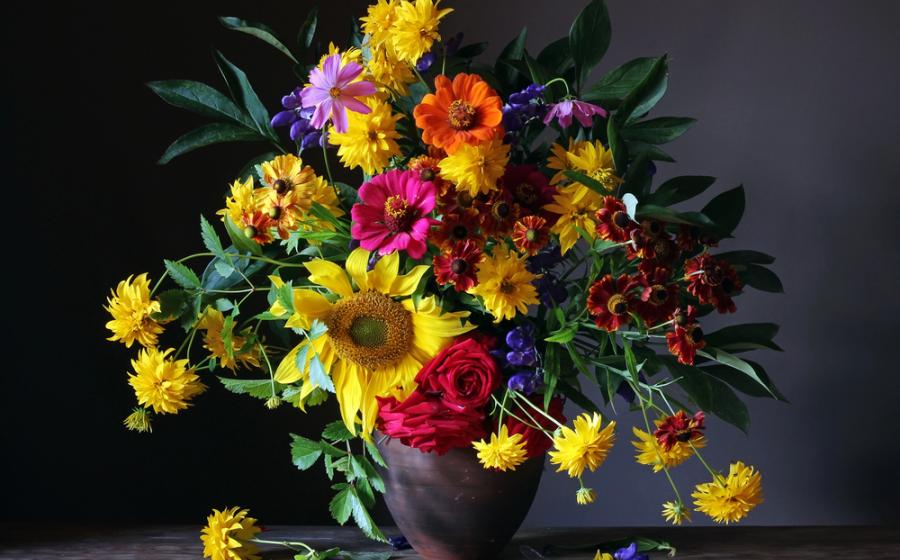

Floral decor for your home: ideas from around the world serves as a universal language that bridges the gap between distant cultures and our private sanctuaries.
I remember standing in a small flower shop in the heart of Kyoto twenty years ago, watching an elderly master arrange a single iris. The master placed the stem with such precision that the entire room felt different. That moment changed my perspective on interior design forever. We often treat flowers as an afterthought, yet these living sculptures possess the power to dictate the mood of a kitchen or a grand foyer.
Whether you prefer the wild abundance of an English cottage garden or the disciplined lines of Japanese minimalism, global aesthetics offer endless inspiration. Today, ordering flowers online makes it easier than ever to source authentic varieties from around the world without leaving your home.
In this guide, I will share my experiences from three decades of traveling and floristry to help you bring the world into your living room.

I find that many homeowners in the United States feel stuck in a cycle of "grocery store bouquets" that lack character. To be honest, a vase of mixed carnations rarely tells a story. Authentic global style requires an understanding of how different regions perceive beauty. I have seen how a simple terracotta pot of lavender can transport a person to the hills of Provence. I have watched how a single, bold Monstera leaf can turn a sterile apartment into a tropical retreat. We will explore the history, the techniques, and the specific plant varieties that define global floral aesthetics. Let us begin our journey with the roots of these traditions.
How ancient traditions defined modern floral decor
Floral decor finds its origins in the sacred rituals of ancient civilizations that viewed plants as messengers of the gods. I’ve always found that understanding the "why" behind a style helps you execute it with more soul. Thousands of years ago, people didn't just "decorate"; they told stories about survival, fertility, and the change of seasons. In Egypt, the lotus represented rebirth, while in China, the peony symbolized wealth and honor. These ancient choices still influence the bouquets we buy at local markets today.
China and the birth of the water-vase
The Chinese people perfected the art of placing cut flowers in water-filled containers during the Han Dynasty. Historians credit Chinese artisans with creating the first specialized floral vases. These craftsmen used heavy porcelain and bronze to support tall, woody branches. I remember seeing an original Ming Dynasty vase in a private collection; the weight of the ceramic alone commanded respect. Chinese floral philosophy emphasizes the "qi" or life force of the plant. You should select stems that show movement. Use flowering plum branches or tall lilies to mimic the vertical lines found in classical Chinese paintings. This style rewards those who appreciate the natural curves of a stem rather than forcing it into a symmetrical shape.
The zen of Japanese ikebana
Japanese Ikebana represents the pinnacle of disciplined floral decor for the modern home. I spent months in Japan learning that Ikebana is not about the flowers themselves, but the space between the flowers. This practice follows the principle of "less is more." You typically use three main lines to represent Heaven (Shin), Man (Soe), and Earth (Hiki). I find that a kenzan—a heavy lead plate with brass needles—is essential for this style. The kenzan holds the stems at precise angles that would be impossible in a standard glass vase. If you want a calm entryway, place a single branch of cherry blossom and one small pebble in a shallow dish of water. The simplicity clears the mind immediately upon entering the house.

Old World flower arrangements: lessons from Europe
Floral decor in European homes reflects centuries of artistic movements from the Baroque to the Minimalist. Europe offers a rich tapestry of styles, ranging from the structured gardens of Italy to the cozy hearths of the United Kingdom. I’ve noticed that European floristry often emphasizes the relationship between the flower and the vessel. In Europe, the vase is rarely a transparent glass jar; it is usually an heirloom piece of pottery, a silver pitcher, or a weathered stone trough. This connection to the past gives European arrangements a sense of permanence and weight.
The French countryside aesthetic
The French countryside aesthetic focuses on the concept of "effortless elegance." I remember walking through a market in Aix-en-Provence where vendors sold bundles of sunflowers wrapped in simple brown paper. To achieve this look, you must avoid looking too "arranged." The French style uses local, seasonal blooms like lavender, poppies, and wild herbs. Use a white ceramic pitcher or a galvanized metal bucket as your container. I suggest mixing edible plants with your flowers. Tucking a few sprigs of rosemary or mint into a bouquet of garden roses adds a wonderful scent and a rustic texture. This style works perfectly on a sun-drenched breakfast table or a wooden windowsill.
British Victorian abundance
British Victorian abundance represents the opposite of Japanese minimalism. During the 19th century, the British middle class used floral decor to signal their worldly connections and wealth. These arrangements are dense, colorful, and highly fragrant. I love the "more is better" approach when it comes to English roses, delphiniums, and foxgloves. To create a Victorian-inspired centerpiece, you should pack the flowers so tightly that no green stems show through the glass. Use a color palette of deep burgundies, soft pinks, and creamy whites. I recommend adding "fillers" like Queen Anne’s Lace or baby’s breath to create a soft, cloud-like effect. This style demands attention and serves as a fantastic conversation starter in a formal dining room.
Modern Scandinavian simplicity
Modern Scandinavian simplicity uses floral decor to bring light and life into the home during long, dark winters. The Swedes and Danes master the art of "Hygge" by using single stems or small clusters of greenery. I’ve always found that a single eucalyptus branch in a clear glass bottle provides more style than a dozen cheap roses. Scandinavian decor often incorporates elements of the forest. You can use moss, pinecones, and dried twigs to add texture. I suggest placing three small vases of different heights in a row, each containing one different type of white flower. This creates a rhythmic, clean visual that fits perfectly in a minimalist bedroom or a modern office.
Pro-tip: Always cut your stems at a 45-degree angle under lukewarm water. This action prevents air bubbles from blocking the water intake. The angled cut also increases the surface area for hydration, which helps your European-style bouquets last twice as long.

Globally inspired decor for your home’s seasonal refresh
Floral decor often captures the vibrant energy of distant landscapes and tropical climates, especially when the seasons change. I’ve noticed that many people feel hesitant to use bold colors, but the world is full of neon pinks, bright oranges, and electric blues. When you look at the flora of the Americas or the tropical islands, you see a different kind of confidence. These styles don't ask for permission; they demand to be the center of the room. Using globally inspired ideas allows you to refresh your home without buying new furniture.
Bohemian spirit from the Americas
The Bohemian spirit relies on a "collected" look that mixes textures and global influences. I remember visiting a home in the Southwest that used woven baskets as planters for dried pampas grass. This style celebrates the handmade and the natural. You can use colored glass bottles, macramé wall hangings, and terracotta pots to hold your plants. Bohemian floral decor loves dried flowers because they last forever and require zero maintenance. I recommend mixing dried protea with fresh eucalyptus for a look that feels both ancient and modern. Use a palette of "earth tones" like terracotta, mustard yellow, and sage green to ground the space.
Tropical boldness and oversized foliage
Tropical boldness uses scale and saturated color to create a sense of drama. I once spent a week in a coastal villa in Brazil where the "flowers" were mostly giant leaves. Monstera deliciosa and Palm fronds provide a structural beauty that small flowers cannot match. You should use large, floor-standing glass cylinders for these oversized leaves. If you want a splash of color, add a single Bird of Paradise or a bright Ginger lily. These plants possess a thick, waxy coating that helps them survive in air-conditioned environments. Tropical decor works best in high-traffic areas like living rooms or entryways where people can admire the dramatic silhouettes.
A comparison of global floral styles
|
Origin |
Key Flower/Plant |
Vibe |
Recommended Room |
|
Japan |
Cherry Blossom / Iris |
Minimalist & Meditative |
Entryway or Office |
|
France |
Lavender / Garden Rose |
Rustic & Effortless |
Kitchen or Patio |
|
England |
Peony / Foxglove |
Lush & Romantic |
Dining Room |
|
Brazil |
Monstera / Orchid |
Bold & Architectural |
Living Room |
|
Scandinavia |
Tulip / Pine Branch |
Clean & Organic |
Bedroom |
Creating a sanctuary: the art of the flower room
Floral decor transforms functional living spaces into personal sanctuaries of peace when applied with intention. I have always believed that every home should have a "botanical heartbeat." This doesn't mean you need a greenhouse. It means you strategically place plants and flowers where they will have the most impact on your daily routine. From the moment you wake up to the moment you go to bed, flowers can guide your emotions. Let’s look at how to style specific rooms using these global insights.
Entryways and porches
The entryway serves as the "handshake" of your home. I remember staying at a boutique hotel in Greece where the porch was covered in overflowing bougainvillea. It felt like an immediate invitation to relax. You should use "Bright & Beautiful" blooms to greet your guests. Large wreaths made of dried lavender or fresh boxwood provide a classic look that suits almost any architectural style. For the interior entryway, I recommend a tall, slender vase with seasonal branches. In the spring, use Forsythia for a pop of yellow. In the autumn, use branches with colorful maple leaves. This practice connects your indoor space to the world outside the door.

The kitchen and dining table
The kitchen is the heart of the home, but it is also a workspace. I find that large bouquets often get in the way of cooking or conversation. To be honest, nothing is more annoying than trying to talk to a friend across a giant wall of hydrangeas. You should use low-profile arrangements for dining tables. Use small bud vases or even recycled jam jars. I suggest grouping three or five small vases in the center of the table. This allows guests to see over the flowers while still enjoying their beauty. For the kitchen island, a bowl of citrus fruits mixed with a few sprigs of jasmine provides a fresh scent that masks cooking odors. MyGlobalFlowers delivers various petite bouquets that fit perfectly on narrow kitchen counters.

The "flower room" concept
The "flower room" is a growing trend among interior designers and plant enthusiasts. I’ve seen homeowners dedicate a small sunroom or a corner of a home office to their botanical passion. This space serves as a laboratory for creativity. You can hang botanical prints on the walls, display your collection of vintage vases, and keep your floristry tools organized. I recommend installing a deep sink for processing fresh stems. Use this room to dry your own flowers by hanging them upside down from a wooden rack. Dried hydrangeas and roses maintain their shape and color for months. Having a dedicated space for floral decor makes the act of arranging flowers a therapeutic ritual rather than a chore.
· The orchid stands alone as a symbol of luxury and endurance in the flower room.
· The workstation provides a surface for trimming stems and cleaning vases.
· The shelving unit holds a variety of containers from different global regions.
· The light source ensures that your indoor plants thrive throughout the year.
Luxury trends and the real vs. faux debate
Floral decor continues to evolve through the debate between fresh blooms and high-quality artificial alternatives. I have spent years as a traditionalist, believing that only fresh flowers were acceptable. However, the technology behind "silk" and "real-touch" flowers has improved significantly. I remember a wedding in New York where I couldn't tell the difference between the silk peonies and the real ones until I touched the petals. Luxury is no longer just about the "real"; it is about the "aesthetic."
The orchid standard
Orchids remain the gold standard for luxury floral decor. I find that a single Phalaenopsis orchid in a high-quality ceramic pot can elevate an entire room. These plants represent sophistication in both Asian and Western cultures. Your favorite florists offer exquisite orchid arrangements that last for weeks with minimal care. The secret to a luxury orchid display is the "dressing." Do not leave the plant in its plastic nursery pot. You should place the orchid in a stone or metallic container and cover the soil with preserved moss or smooth black river stones. This small detail makes the plant look like a permanent piece of furniture rather than a temporary gift.
Artificial flowers that fool the professionals
Artificial flowers now offer a practical solution for hard-to-reach places or seasonal homes. I’ve noticed that even Architectural Digest now features high-quality faux branches in their spreads. You should look for "real-touch" materials that mimic the moisture and texture of a living petal. I recommend using high-quality faux greenery, like eucalyptus or olive branches, for tall vases on high shelves. These areas are difficult to water, and fresh plants often wither there. To make faux flowers look real, you should put a small amount of water in the bottom of the glass vase. This visual trick fools the eye into thinking the stems are drinking. I also suggest mixing one or two fresh stems into a faux bouquet to provide a natural scent.
Pro-tip: Clean your artificial plants once a month. Dust buildup is the fastest way to signal that a plant is fake. Use a soft microfiber cloth or a hair dryer on the "cool" setting to keep the leaves looking fresh and vibrant.
Common questions about global floral decor
I receive many questions from homeowners who want to start their floral journey. Here are the most common inquiries I’ve encountered during my workshops and travels.
What are the best flowers for a globally inspired centerpiece?
The best flowers depend on the specific culture you wish to emulate. I recommend using Proteas for a South African or Bohemian look because of their prehistoric, architectural shape. For a classic European look, I suggest Ranunculus or Peonies due to their high petal count and romantic feel. If you want an Asian-inspired centerpiece, use tall Lilies or flowering Quince branches to emphasize vertical lines. You should always choose flowers that are currently in season to ensure the best quality and longevity.
How do I maintain old world flower arrangements to last longer?
Maintenance starts with a clean environment. Bacteria kills flowers faster than anything else. You should wash your vases with bleach and water before every use. I recommend changing the water every two days. Always remove any leaves that fall below the waterline, as rotting foliage fuels bacterial growth. In my experience, keeping the arrangement away from direct sunlight and ripening fruit—which releases ethylene gas—will add days to the life of your blooms. Old World arrangements often use heavy-headed flowers, so you may need to use floral wire to support the stems as they age.
Are artificial flowers considered stylish in modern interior design?
Modern interior design embraces high-quality artificial flowers as a legitimate decor choice. Designers use them for "difficult" spaces like bathrooms or dark hallways. I find that the "mix-and-match" approach works best. You can use a high-quality faux boxwood on your porch and fresh roses on your dining table. The key is to avoid the cheap, plastic-looking varieties found in discount stores. Look for hand-painted details on the petals and realistic "imperfections" on the stems. Authentic beauty often lies in the slight asymmetry of a plant.
How can I use floral wall decor without damaging my home?
Floral wall decor is a fantastic way to add vertical interest. I recommend using lightweight wooden frames with glass to display pressed flowers. This method protects the delicate petals and prevents them from staining your walls. If you want a more temporary look, you can use high-quality floral tape to attach individual stems to a mirror or a window frame. I’ve seen this done in Parisian boutiques to create a "floating garden" effect. For a more permanent solution, consider a "living wall" system with a built-in irrigation tray, which prevents water from leaking onto your drywall.
Reflecting on the bridge of blossoms
Floral decor for your home: ideas from around the world is more than just a hobby; it is a way to honor the planet's diverse beauty. I have spent two decades seeing how a simple bunch of flowers can cross borders and break down barriers. I remember a small village in the Andes where the locals decorated their doors with marigolds to welcome spirits. In London, I saw those same marigolds used in a sleek, modern gallery. The flowers didn't change, but the context did. This is the magic of floristry. You can take a tradition from halfway across the globe and make it your own. You can even teach your kids the marvelous power of flowers.
I find that my favorite homes are those that don't follow the rules too strictly. Use the Japanese sense of space, the French love of texture, and the Brazilian passion for color. Mix your heirloom vases with modern silk branches. By the way, the most important rule is that the flowers must make you happy. I’ve shared my secrets, my stories, and my techniques, but the final arrangement is yours to create. I remember the scent of those Kyoto irises every time I sit down to design a new bouquet. What is your favorite travel-inspired bloom, and how will you use it to transform your home today?
