
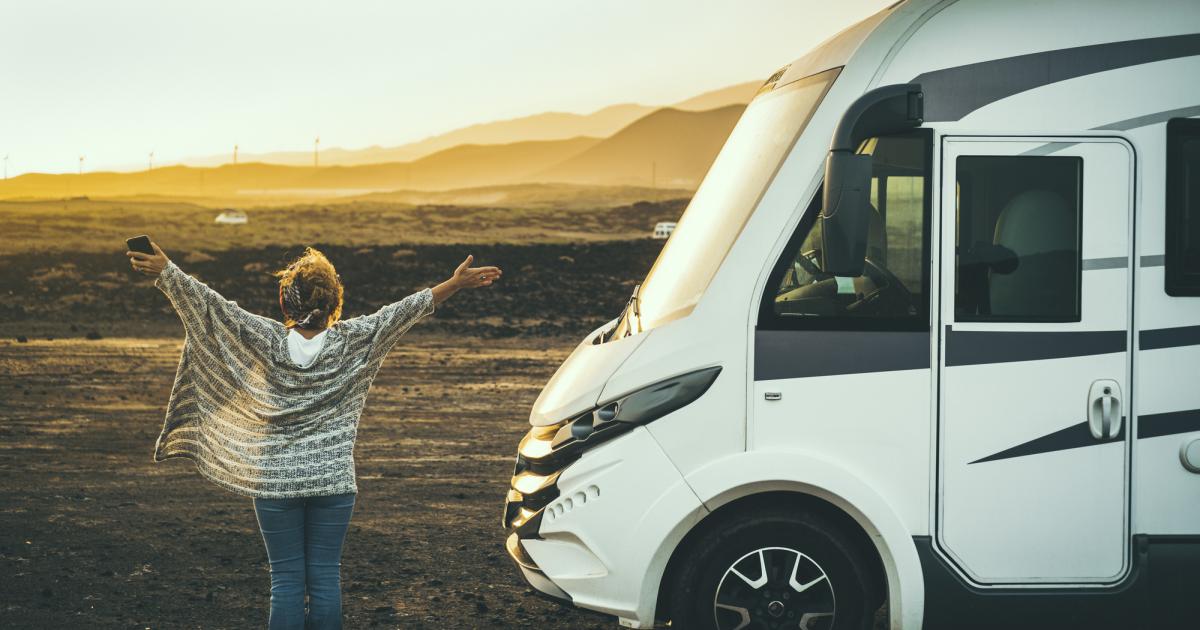

Ask almost anyone why they haven't packed up the car and driven across the country yet, and the excuses are always identical: cash and practical headaches. Most of us have that Google Map bookmarked with fifty different pins, cheap campsites, scenic overlooks, and long stretches of empty highway. But then reality creeps in. You start thinking about rent sitting empty back home, gas creeping past four bucks a gallon, and the nightmare of snapping an axle in the middle of nowhere, so the keys just stay on the kitchen hook.
The truth is, people who actually spend months on the road aren't sitting on massive family inheritances, nor are they sleeping on dirt eating twenty-cent instant noodles. They just treat the whole thing practically instead of pretending they're living in a romantic travel commercial. A long road trip is really just basic daily life on wheels. Get a few dead-simple financial habits running before you back out of the driveway, and living on the highway turns from a chaotic, anxiety-ridden gamble into a normal routine that doesn't drain your account.

The Myth of the Nearly-Free Road Life
TikTok and Instagram make highway living look practically free. Every other reel is someone opening the back doors of an old SUV in Utah, sipping a fresh pour-over in front of red rocks, claiming they spend way less roaming around than they ever did paying an apartment lease.
They conveniently leave out the $400 radiator swap in Flagstaff. You never see the video where the free camp spot got turned into a mud pit by a thunderstorm, forcing them to drop seventy-five bucks on an overpriced RV hookup, or the $200 tow bill when a sharp rock shredded a tire outside Moab.
Extended road trips don't have to clean out your wallet, but you can't predict what breaks next. If you set off with just enough cash for cheap fuel and bread, the very first weird engine noise or emergency dental bill is going to end the adventure right there and send you crawling home on an interstate tow truck. Your trip won't look like this, anymore:

Automating the Boring Paperwork at Home
Nothing kills the mood of a quiet mountain morning faster than realizing your internet bill back home bounced, or that a landlord check got lost in the mail. If your financial routine requires you to hunt down public library Wi-Fi every Friday to manually pay bills, you're going to burn out within two weeks.
Before you load a single cooler into the trunk, spend an afternoon putting your entire financial life on autopilot:
• Put every fixed recurring charge, car insurance, storage units, phone bills on automated minimum payments tied to a main card.
• Set up a low-balance alert on your primary checking account so your phone buzzes if cash dips below a couple hundred bucks.
• Forward your physical mail to a reliable scanning service or a family member who will actually open the envelopes and text you photos of anything that looks like an official tax notice or a local citation.
When the administrative side runs quietly in the background, you get to actually look out the window instead of staring at banking portals from a diner parking lot.

Protecting Your Credit File from Random WiFi and Weird Inquiries
Traveling across states means your digital footprint gets scattered everywhere. In a single week, you might swipe your card at a mom-and-pop gas station in rural Wyoming, punch your details into a third-party motel booking engine in Idaho, and log into personal accounts using open Wi-Fi at a rest stop.
That kind of chaotic activity is a playground for identity theft rings and billing blunders. Worse yet, if you plan on leasing an apartment when you finally settle down, buying a new rig, or using travel credit rewards to shave hundreds off your gas receipts, you cannot afford to have your credit profile trashed by a phantom collection mark while you're completely off the grid.
That’s why experienced long-haul travelers use reliable credit score monitoring services to keep an eye on their background file while they're on the move. When an app sends an immediate ping the second an unknown address change, hard inquiry, or weird charge hits your file, you can sort it out over the phone before a simple data leak turns into a frozen card or a tanked score hundreds of miles away from home.

The Power of the Slow Travel Pace
The biggest mistake rookies make when road-tripping America is trying to treat a six-month journey like a two-week vacation. They drive seven hours a day, buy fast food at every exit, stay in a different budget motel every night, and burn through fuel like water. Within a month, they’re physically exhausted and completely broke.
Slowing your pace down is the single easiest way to cut your travel burn rate in half.
Pick a region, find a base camp whether that’s a state park campsite, an extended-stay motel, or a monthly camper rental, and stay there for two or three weeks. You spend way less on gas, you actually buy real groceries and cook meals instead of paying diner markups three times a day, and you get to know the backroads instead of just the interstate median.

Seeing the country from the road is one of the best things you can ever do for your head, but running out of money three states away from your friends and family is a quick way to hate the entire experience.
You don't need a massive income to make the road work. You just need to keep your home bills on autopilot, leave yourself an emergency cushion for flat tires, and keep tabs on your personal records so life doesn't fall apart behind your back. Once the practical stuff is squared away, you can put your phone in the glove box, pick an exit, and just drive.