
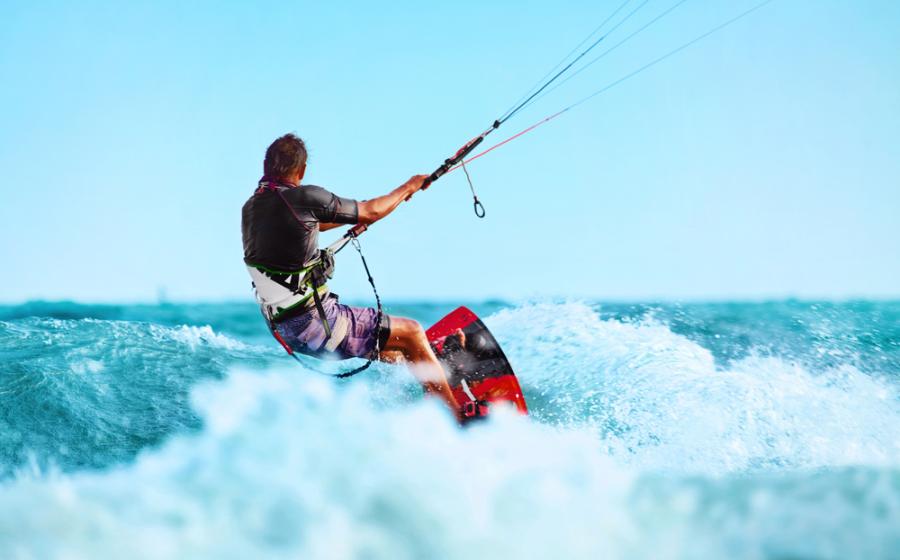

Adventure sports can make your trip more exciting, but they also bring risks that regular sightseeing does not. Activities such as skiing, scuba diving, trekking, rafting, or paragliding may need more specific protection under your travel insurance plan.
This is where add-ons become important, as a standard policy may not always cover adventure-related risks. A closer look at these add-ons can help you choose a cover that matches your actual travel plans.

They Cover Risks That Regular Sightseeing Does Not
Adventure sports involve movement, speed, height, water, snow, or remote routes. A city walk, museum visit, or train journey does not carry the same risk as skiing, rafting, trekking, scuba diving, or paragliding. A regular travel policy may cover medical emergencies, baggage issues, and trip-related concerns, depending on the plan.
But high-risk or specialised activities may need an add-on or a policy that clearly includes those activities. This is the main reason to check the activity list before you travel. If the sport is not clearly included, ask the insurer or read the policy wording before purchase.
They Make Medical Protection More Relevant
Medical treatment abroad can be difficult to manage, especially when the injury happens away from a major city. A skiing fall, diving injury, or mountain trek accident may need emergency transport, hospital care or medical evacuation.
An adventure sports add-on can make your travel cover more relevant to such situations, depending on policy terms. It can also support assistance coordination when you are in an unfamiliar country. The aim is not just to buy a policy, but to choose one that suits the activities included in your trip.
They Match Your Real Trip Plan
Travel plans often change after the visa process begins; you may first book flights, hotels, and city tours, and later decide to add skiing, a guided mountain trail, scuba diving, or a cycling experience. This is where the add-on becomes useful.
When you buy travel insurance for Schengen visa approval, also check whether it suits your actual itinerary. If adventure activities are part of your trip, your policy should fit the destination, activity type, travel duration and related conditions before you leave.
They Reduce Confusion during Claims
Insurance becomes easier to use when you understand the terms before your trip starts. Adventure sports add-ons make you review the important details early, such as covered activities, limits, conditions, and claim requirements.
Check these points before buying:
• Whether the exact activity is named in the policy
• Whether trained supervision is needed
• Whether there are altitude, depth or route limits
• Whether emergency evacuation is included
• Which documents are required for claims
These checks are simple, but they can prevent confusion later. They also make your travel planning more responsible.
They Encourage Safer Activity Choices
A suitable add-on can also push you towards safer decisions. You are more likely to choose licensed operators, use proper equipment and follow instructor guidance when you know the policy may ask for proof.
For Indian travellers booking activities online, this is especially useful. Keep booking receipts, medical records, guide details, and emergency contact numbers. These documents may matter if you need to file a claim after an incident.
They Protect the Larger Travel Budget
Adventure-related injuries can affect more than medical bills, as they may disturb hotel bookings, internal transfers, return flights, or the rest of the journey. Depending on the plan, travel insurance may include benefits for trip interruption, delays, baggage loss, passport loss or personal accident.
An add-on cannot remove every travel risk or ensure that every claim will be accepted. However, it can make your policy more relevant if your trip includes adventure activities beyond regular sightseeing.

Adventure sports travel insurance add-ons deserve a closer look because your policy should reflect the kind of experiences you plan during your trip. Activities such as trekking, skiing, diving, rafting, or paragliding may involve specific risks, so it is important to understand how the add-on applies before you travel.
Before buying, read the policy wording, check the covered activity list, and review benefit limits carefully. This can give you clearer expectations and better financial preparedness if your journey includes adventure-based experiences.
Stay safe, have fun!