
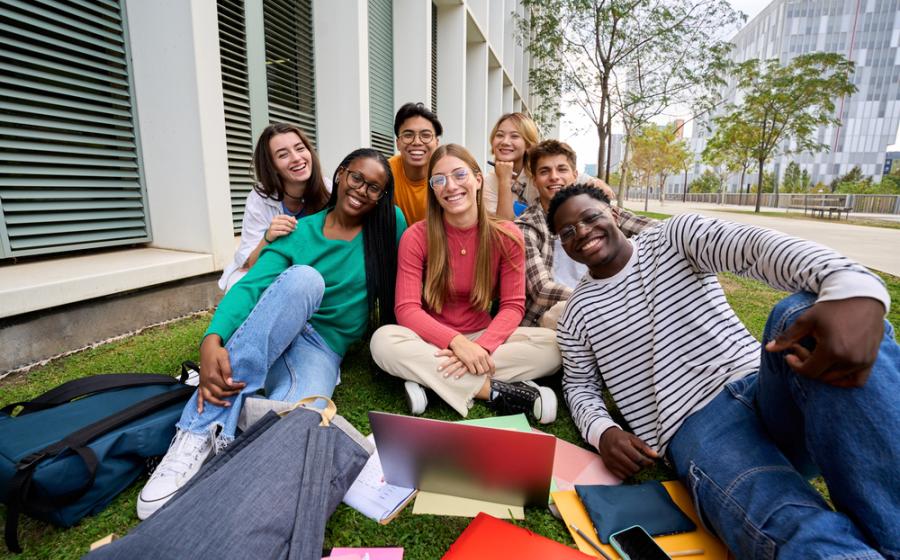

The importance of cultural exchange for global understanding
A cultural exchange happens when people from different countries or communities come together to share their traditions, stories, art, and everyday life. Whether its through travel, study abroad, joint projects, festivals, or even online collaborations, it helps transform distant cultures into real faces and voices removing prejudices and stereotypes.
Cultural exchange helps to build global understanding: when people meet, talk, and create memories together, they can see the world from a different point of view and to question their own judgements. These experiences often reduce prejudice, increase empathy, and make societies more open and peaceful, especially in a critical time where global challenges require cooperation and communication across borders.

Benefits of cultural exchange
Beyond creating mutual understanding, cultural exchange brings significant educational, professional, and personal benefits.
According to the Erasmus+ Impact Study conducted by the European Commission in 2023, more than 90% of participants in international exchange programs reported enhanced adaptability, communication skills, and problem-solving abilities after their experience abroad. Educationally, cultural immersion strengthens analytical thinking and creativity by exposing participants to new perspectives and diverse teaching methods.
In addition, the study found that students who participated in intercultural programs were more likely to engage in civic activities and lifelong learning, demonstrating how cultural exchange fosters both global competence and active citizenship.
On a professional level, the benefits are just as striking. Intercultural experiences help to refine communication and negotiation skills, core competencies in international workplaces.
The same Erasmus+ study highlights that graduates with international experience are more employable, and better prepared for cross-cultural collaboration. By interacting with people from diverse backgrounds, participants learn how to navigate cultural nuances, build professional networks, and develop global career opportunities.
From a personal perspective, cultural exchange deepens emotional intelligence and empathy. Living or working within different cultures helps individuals to challenge their internal biases and understand complex social realities.
Psychologists at the University of Minnesota observed that immersion in multicultural settings leads to measurable increases in intercultural competence and tolerance. These findings suggest that beyond being a pleasant travel experience, cultural exchange operates as a transformative educational journey that shapes character, broadens worldview, and strengthens global citizenship.
Building intercultural programs at Universities
Universities play a key role in cultural exchange because they bring together students, researchers, and artists from all over the world.
Intercultural programs such as study abroad opportunities, exchange semesters, joint research projects, language courses, and multicultural events give students a safe space to meet different cultures and learn how to collaborate across differences.
These programs offer clear cultural exchange benefits: they help participants meet new people of different backgrounds, develop empathy, break down stereotypes, and understand how history, politics, and culture shape people’s lives.
Students in intercultural programs often gain valuable skills such as language proficiency, better communication through language barriers, improved teamwork, and international networking, which are highly valued in global job markets.
Examples of cultural exchanges from around the world
Cultural exchange is also visible in international arts programs that connect countries through shared events. One well known example is the work of UNESCO, which supports cultural projects, festivals, and educational programs around the world to protect heritage and connect communities across borders.
These initiatives show how shared history, art, and traditions can become a platform for dialogue and mutual respect, especially for younger generations interested in global understanding.
Additionally cultural exchange can be observed in cultural initiatives between countries. For example, Years of Culture is a cultural exchange between Qatar and different countries every year, hosting a range of events that bring together Qatar and partner countries through art, performance, and heritage.
Recent programming has included orchestra concerts that blend Qatari and Latin American repertoires, mural projects where artists from Chile and Qatar create public artworks side by side, and film screenings or workshops that invite audiences to explore stories from different regions.
Events like these show how global cultural exchange can turn music, visual art, and film into a common language that crosses borders. The benefits of cultural exchange continue to grow, with always new events planned.

The challenges of cultural exchange
Cultural exchange can be a powerful tool for global collaboration but it can carry some challenges. Participants can often experience culture shock (as well as deep intercultural growth). Misunderstandings about behavior, communication style, or values can create tension if people are not open minded and prepared to listen and ask questions.
To face these challenges, participants should learn basic cultural norms before traveling and stay curious and open-minded instead of judgmental. When difficulties are approached with respect and patience, the value of cultural exchange is clear: stronger empathy, better communication skills, richer creativity, and a deeper sense of global understanding that lasts long after an event or trip has ended.
At the same time, institutions and organizers have a crucial role in preparing participants for these experiences. Offering pre-departure training, mentorship, and reflection sessions can help travelers recognize cultural differences as opportunities rather than obstacles.
Structured support encourages participants to process emotions, confront biases, and translate moments of discomfort into genuine intercultural learning. Long-term partnerships between organizations, schools, and communities can make cultural exchange more inclusive and ethical, ensuring mutual benefit for both visitors and hosts.
Building lasting connections through cultural exchange
The real success of cultural exchange lies not in the number of programs or destinations, but in the quality of the relationships it builds. When people from different backgrounds continue to collaborate after their initial encounters, through digital projects, art, research, or shared causes, they create a connection between cultures.
These connections transform cultural exchange from a temporary experience into a lifelong mindset of openness, respect, and collaboration, which is exactly what a globally connected world needs most.
