

August
03
/ 2026
Summer's scintillating magic reminds us to hold tight to everyday, make the most of our 24 hours, and LIVE. Here's how to do that, year-round.

Summer's scintillating magic reminds us to hold tight to everyday, make the most of our 24 hours, and LIVE. Here's how to do that, year-round.


Planning to become an educator? Learn the true cost of an education degree, navigate hidden fees, and smart-fund your career with this complete guide.


Heading on sabbatical or starting a big academic project? Discover the smart, low-risk way educators are covering upfront costs without touching their savings.

Is your child turning to chatbots for advice? Learn 12 essential strategies from a UNLV professor and cybersecurity expert to guide kids safely through the "AI forest" without fear.


Tips for the best funding strategy for medical school - it doesn't have to cost an arm and a leg (see what I did there?). Here's how:
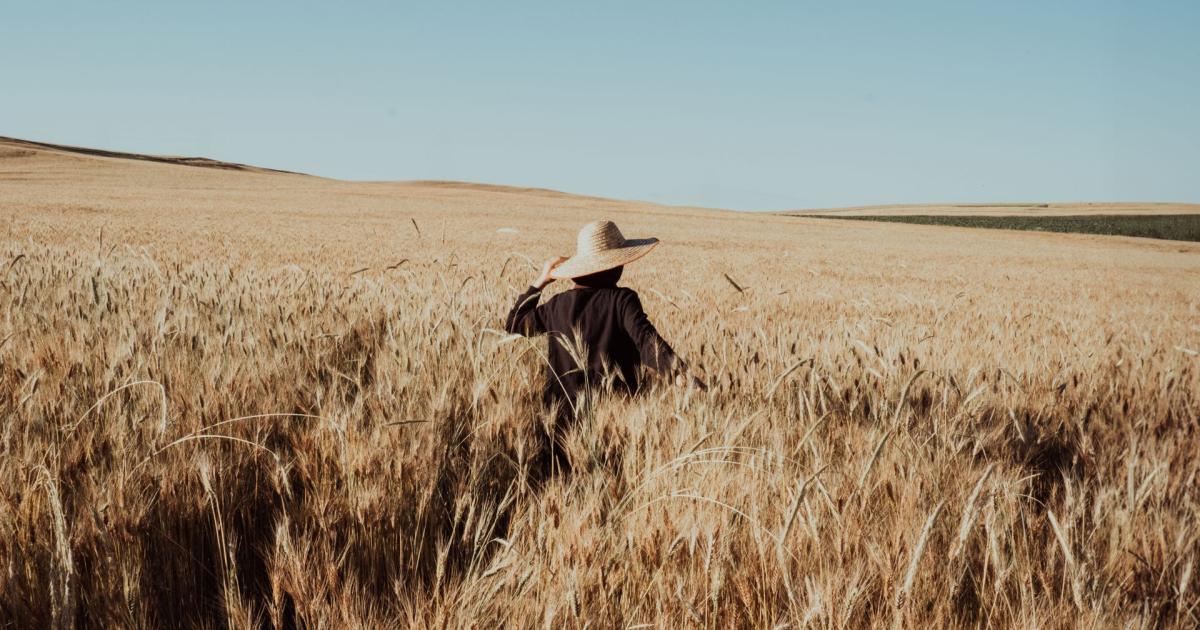

Travel for Education: Horticulturist Skills, Self Learning, and Plant Expertise

With news of data breaches filling headlines and laws like the GDPR affecting companies' policies, it's wise to reexamine one's own data privacy practices. There's a lot of sketchy info on the subject doing more harm than good. This article aims to combat it by highlighting and shattering the most common privacy-related misconceptions.


A college recommendation letter needs more than praise. It should show how a student thinks, works, handles setbacks, and contributes. Here's guidance for the student on how to do it right!
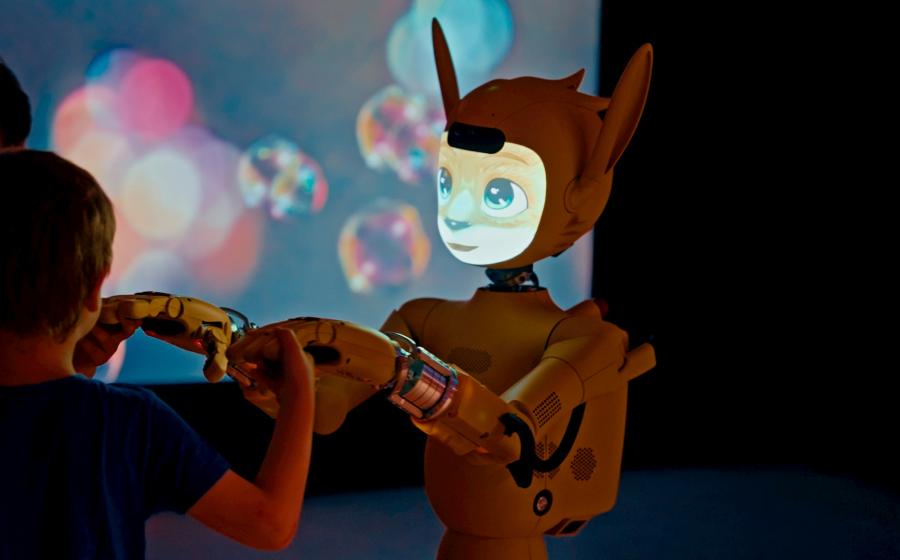

As a pediatric endocrinologist and a mother, I care about the same things every school leader cares about: children who can think clearly, focus deeply, stay safe, build strong relationships, and grow into capable young adults.
The question I find myself asking isn't whether children should learn technology. Of course they should. The question is whether technology should be shaping so much of childhood.


Our global education expert shares her guide to Global Citizenship Education: what it actually is, why it matters right now, what it looks like in real classrooms and in families, kindergarten through graduation, and how to include global citizenship education throughout your life.