

May
28
/ 2026
Your guide to cultural travel - and how to do it well. It's easier (and WAY more interesting) than you think.

Your guide to cultural travel - and how to do it well. It's easier (and WAY more interesting) than you think.


Travel today is no longer limited to holidays. Many people move between countries for work, education, internships, or remote projects. This constant movement changes how health is managed. When routines are unstable, small health issues are often ignored until they become more noticeable.



How to actually get beyond the tourist trail - six ways to experience cultural immersion

Travel used to mean disconnection. People bought paper maps, stared out of train windows, and accepted boredom as part of the deal. I kind of miss that version sometimes. Not always. But sometimes.
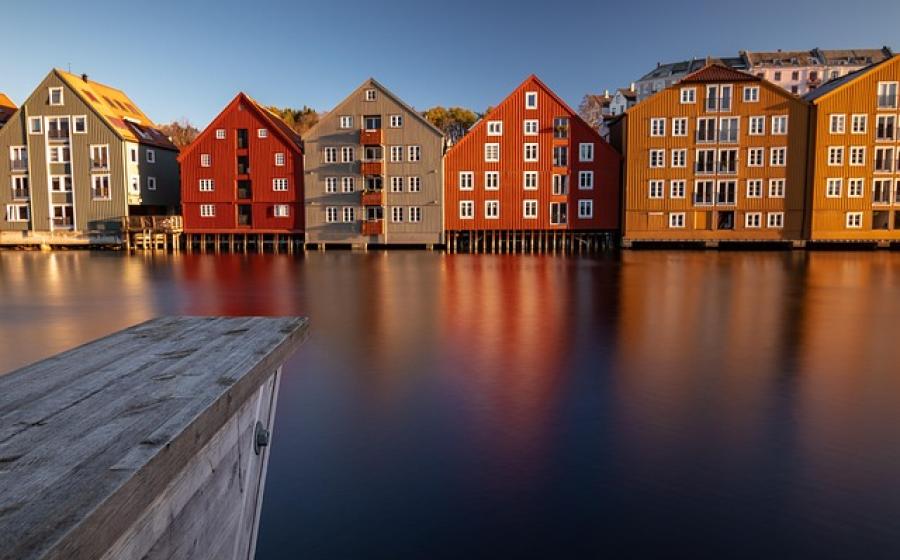

Educational travel can be one of the most rewarding ways to learn. Whether you are planning a study abroad program, a cultural immersion trip, a family learning vacation, a volunteer experience, a historical tour, or a professional development opportunity, travel can make lessons feel real in a way books and screens often cannot. It allows people to explore new places, meet diverse communities, and understand history, language, food, art, and culture firsthand.

Horse racing isn’t called the game of kings for nothing. It has long been positioned as a luxurious activity, quite literally grown and supported by monarchs.
Today, the average participant may not have a crown, though some still do, but there is still plenty of moneyed activity to be had in the world of racing.
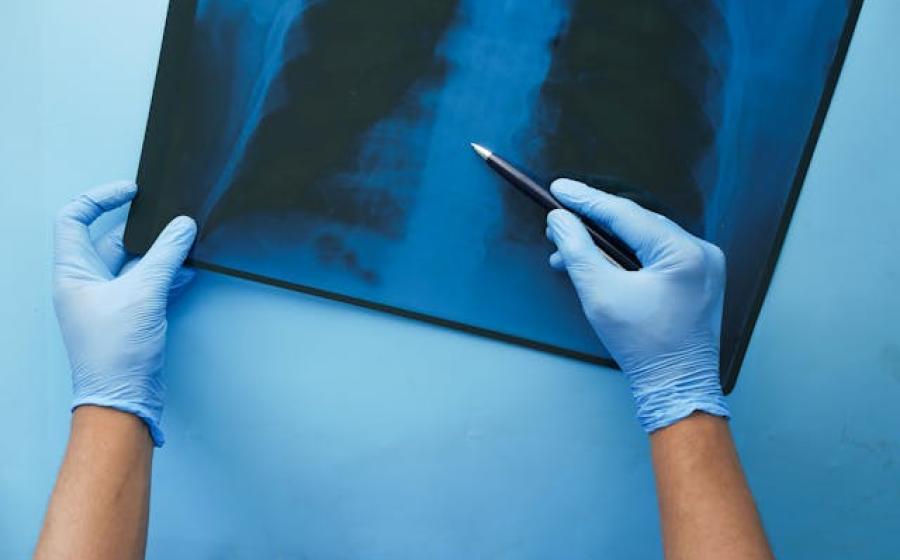

Older buildings in many parts of the world still contain asbestos-based construction materials installed decades before modern health restrictions were introduced. Travelers, expatriates, construction workers, military personnel, and international students may unknowingly encounter asbestos exposure risks in aging apartments, government buildings, schools, factories, shipyards, and historical renovation sites.
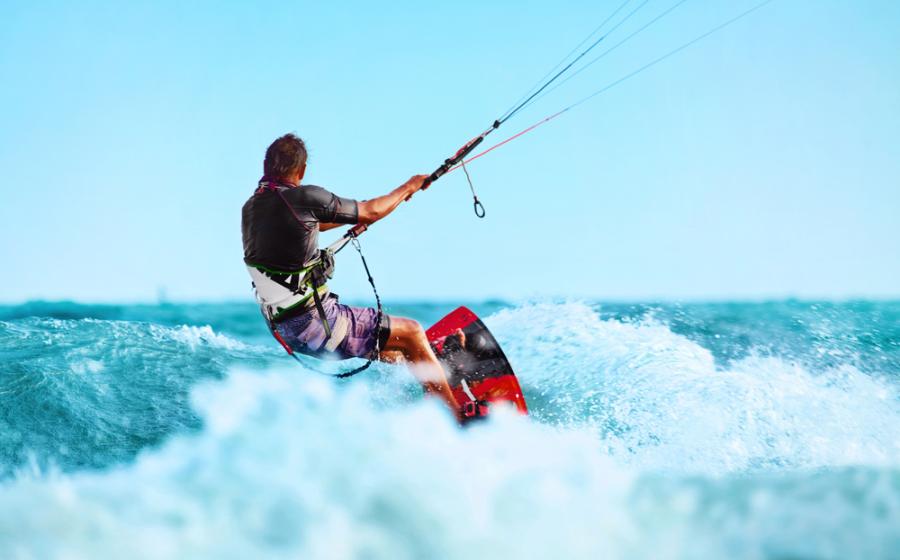
Adventure sports can make your trip more exciting, but they also bring risks that regular sightseeing does not. Activities such as skiing, scuba diving, trekking, rafting, or paragliding may need more specific protection under your travel insurance plan.