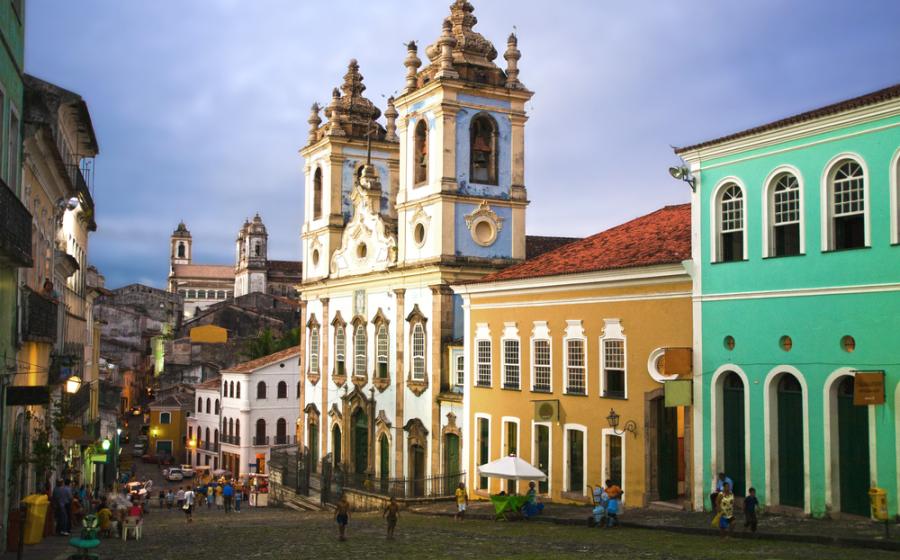
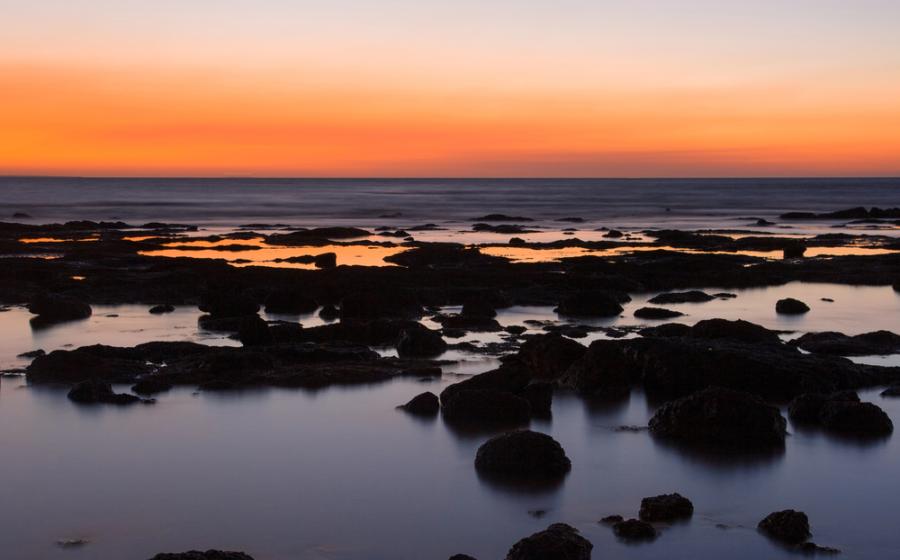

Most Australian road trip plans begin with the same handful of cities. Sydney for the harbour. Melbourne for the coffee. Cairns for the reef. Brisbane for the easy access to the coast. Darwin gets brought up far less often, which is strange when you look at what sits within a day's drive of it.

Here at Wandering Educators, we are all about curious learning into people, places, and lives. I'm so excited to share a fascinating book with you that does just that! Focusing on five different topics, Behind The Scenes: Lives of These Unsung Heroes was written and photographed by Ian Poh Jin Tze. This book is a pure delight.
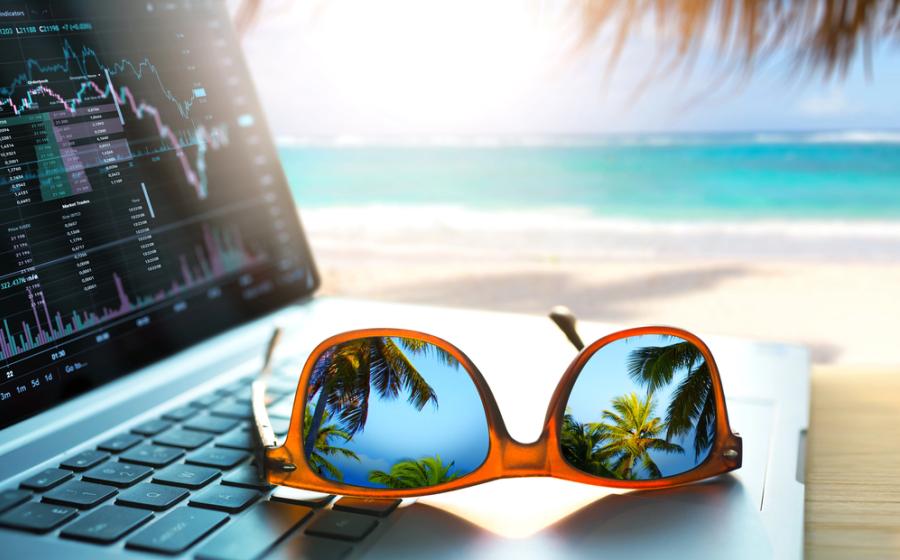
Travel has always been a form of education. From learning new languages to understanding cultural nuances, stepping outside familiar surroundings encourages growth in ways that traditional classrooms often cannot replicate. In recent years, however, a new dimension has emerged within this experience, financial awareness shaped by digital tools and global market access.
Taking a year off to see the world or dive into a personal project is a big move. It’s one of those things that feels right in your soul while you’re doing it. But then you sit down to update your resume. That empty white space on the page starts to feel a bit heavy, doesn't it? You’re worried that a hiring manager will just see a hole where a job should be. Honestly, I’ve been there, staring at a blinking cursor and wondering if I just "ruined" my career for a plane ticket.
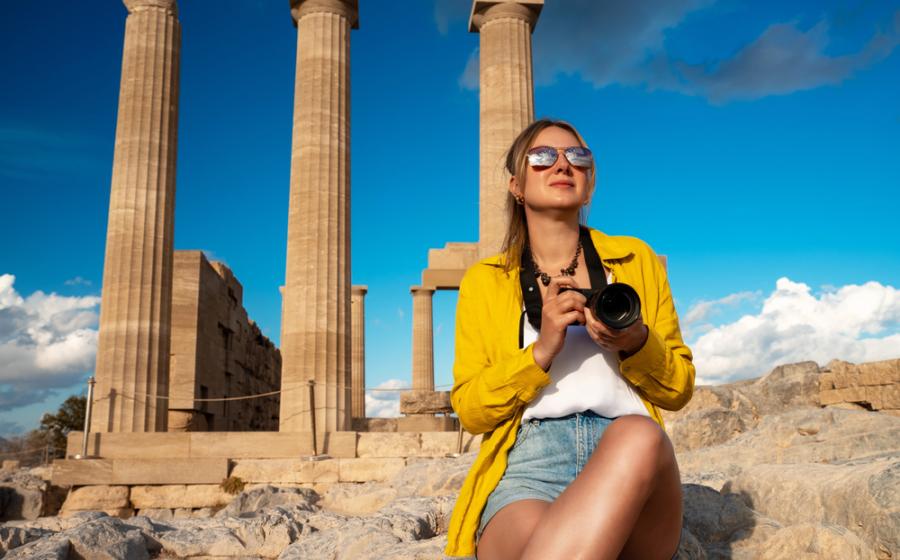
Glasses are more than just a tool for vision correction. They are a blend of function, fashion, and identity. Over the years, glasses have evolved from simple optical aids into powerful style statements. Whether someone wears them to read, drive, work on screens, or simply to enhance their appearance, glasses have become an essential part of everyday life.
When combined with travel, their importance becomes even more evident, as they support both practicality and personal expression in new and unfamiliar environments.
When the news of a Fulbright fellowship or a long-awaited sabbatical finally arrives, the initial excitement is usually followed by a sudden realization: the logistics of living abroad for months are a different beast entirely from a standard vacation. We’ve all seen the headlines about the rise of the digital nomad, but for educators and researchers, the goal isn’t just to work from a beach – it’s to integrate into a community, access archives, or lead a group of students through a culturally rich landscape.
When getting ready to live abroad, most of us focus on what we can fit into a suitcase, clothes for different seasons, a few familiar items from home, maybe things we think we won’t find elsewhere. Packing feels productive. It’s something you can see and control.
But in reality, the most important preparation doesn’t go into your luggage.
Nowadays, it’s no secret that many jobs can be done entirely remotely, a fact that has opened an incredible door for people whose dream is to travel the world. Each day, from educators to assistants, we see more and more professionals leaving the comfort of their homes or countries to live their dream of traveling the world, but many of them leave unprepared, and if their tech fails, their classroom disappears.
Why Travel Journals Work So Well In Coursework
A travel journal can be much more than a notebook full of quick impressions, photos, and dates. In coursework, it becomes a way to show how a student observes, thinks, and connects experience with academic ideas. That is what makes this format different from a standard report. It feels more personal, but it can still be serious, structured, and analytical.