

Traveling with ME/CFS is one of the biggest challenges I have ever faced. (It comes in second to living with ME/CFS, to be honest.)
You have probably seen this illness called a few different things over the years. When I first wrote this article, I called it CFIDS, for Chronic Fatigue and Immune Dysfunction Syndrome. Before that, chronic fatigue syndrome. The name that is used now, and the one I am using here, is ME/CFS: myalgic encephalomyelitis / chronic fatigue syndrome. It is a neuro-immune disease. There is no cure and no real treatment. You constantly feel like you have the flu AND have been run over by a semi truck. Your body hurts all the time, your brain is fogged, and you have to carefully ration your energy (called living within the envelope, or managing your spoons). You can make plans, but never know if you can fulfill them, as your pain and energy levels can change in a minute.
And no, it isn’t the same as being tired all the time.
Here is what has changed since 2013, and it is the reason I am updating this article rather than letting it sit: there are now millions more of us.
Long COVID brought an enormous number of people into this world, most of them without warning and many of them without a name for what happened. In one study of 465 adults with Long COVID, 58% met a case definition for ME/CFS. And of the people who said they did not have ME/CFS, 40% actually met the criteria anyway. They were living it without knowing what to call it.
If you got sick, never got better, and now find that a good day followed by an ordinary outing turns into three (plus) days flat on your back: you are not imagining it, you are not alone, and there is a whole community of people who have been managing this for decades. Welcome. We wish you weren’t here. We are glad to help.
Here’s your guide: pacing, planning, asking for help, and ten tips for actually getting out into the world.

Post-exertional malaise, and why it changes everything about travel
The thing that makes ME/CFS and Long COVID different from ordinary fatigue has a clinical name: post-exertional malaise, or PEM. It means that exertion of any kind (physical, cognitive, emotional, sensory) makes you worse. Not tired. Worse. And often not right away. The crash can arrive twelve hours later, or the next day, or two days later, which is exactly what makes it so hard to learn from and so easy for other people to dismiss.
This is why the usual travel advice fails us. “Push through it” will cost you. With PEM, the bill comes due later, with interest.
Everything below is built around that one fact.
What does it cost me? Well, it depends. A big international trip can take me more than FIVE years (!!) to get back to my pre-trip level of disability. A weekend away could have ten months of ramifications. An hour's drive could put me in bed for a week (or, if I'm lucky, a few days). You never know the exact price you will pay.
Days after travel can look like a lot of time in bed, or sitting quietly. It can look like you have the flu, or that you feel like you were in a car accident. It can look like fever, and fatigue, and that peculiar zombie feeling we have when our brains are trying to catch up. It can also look like sadness, as you have to come to terms yet again about the reality of living in your body.
Tip: if you are newly sick with Long COVID, the single most useful thing you can learn before your first trip is pacing, staying inside your energy envelope rather than riding the boom-and-bust cycle. Learn it at home first. Then travel.
Traveling with ME/CFS is worth doing anyway
And so you have ME/CFS or Long COVID, and you love to travel.
This is so me! I am a citizen of the world. I worked and learned abroad. I absolutely adore learning about other cultures, languages, foods, and my favorite: making new friends in new places.
Currently, I have had three + decades to come to terms with how I am able to travel. It looks quite a bit different from my travel before I got sick, but I have changed the WAY I travel.
While it is difficult (and may make you sicker for a while), it’s well worth doing. Your traveling companions need to be aware of your needs and help (and understand) you as much as possible, so that you can get the most out of your travels. But there is much you can do to prepare beforehand, and ways to act while you’re traveling, that can acknowledge and accommodate your disability.
And as with anything when you’re living with this illness, space out your energy expenditures. You might only be able to travel once a year (or less, or more). Listen to your body!
Tips for Traveling with ME/CFS and Long COVID
Plan ahead as much as possible
If you can do the bulk of the work beforehand, at your own pace, you will be able to control the energy expenditure for this process. Figure out routes that will save you time and energy. Research the restaurants you would like to eat at, and the grocery stores where you can stock up. Figure out if attractions are worth visiting, and if they are accessible to you (and when the crowds are less). Learn any phrases you will need in a foreign language (and more, if you’re able) – and download a language translation app to your phone. Something WILL come up that will derail your travels! Be as prepared as possible so that you can minimize the impact.
Be realistic of what you can do
Be honest about what you can and can’t do (this is a hard one, I know). You might be able to do one big thing a day (or some days, none). Seeing a little bit of a place is much better than seeing a lot of the ceiling in the room in which you’re resting, day after day. Ask locals for the best off the beaten path things to see and do – and the best times to explore the area. They will be less crowded, and you will be able to experience them at your own pace. One of the best times I had in Ireland was at a quiet library, talking with the librarian about books we loved, swapping library stories, and gathering information on great places to eat and a hidden beach.
Choose your own adventure
Never have a set itinerary for full days…this is a reliable recipe for disappointment. Instead, have options and several moveable plans (and, leave room for serendipity!). If you feel good after A, you might be able to go do B or C (or, go back and rest up for the next day’s adventure). If you do C and don’t feel well, then know that B is a possibility for the next day or whenever you are up for it. Mixing and matching your adventures is a smart way to both understand and accommodate both your disabilities and your travel joy. Never plan a day you won’t be able to do, and you won’t feel bad for missing out on what you’d so longed to experience.
Don’t be afraid to ask for help
Whether it is a wheelchair when you’re too tired, a rest from traveling, or help with something as simple as helping you place a pillow behind your back in the car, people will be happy to help you, with whatever you need. I know it is difficult to ask for help. It goes against all that we strive for, in independent living. Don’t try to pass as abled. It will only make you sicker. We all know this, do this, and know we shouldn’t.
Events
Many travels are around events: holidays, weddings, reunions. This is a great time to make sure that you tend your body as best you can. If you need a daily rest period, make sure to build it in, even if you would prefer to stay and talk (this is me, a hundred times over). You’ll emerge refreshed and able to interact well, instead of in a fuzzy state where you don’t remember a thing, and you probably didn’t have any meaningful conversations. Beforehand, ask the host (who may be your mother, or an aunt, etc.) for a quiet place to rest. They’ll be happy to help. Remember, they want to see you and talk with you, too!
Maintain your routine
Be sure to pack your vitamins and medicine, for starters. But if you do well with a super green smoothie for breakfast, then find a way to get a super green smoothie for breakfast, instead of loading up on pancakes or nibbling a granola bar in the car. As mentioned above, if you need a daily rest period, then make sure you get one. If you are always cold, be sure to pack enough warm clothes to help. Don’t forget your pain meds (or forget to take them). If you need a heating pad, bring one! The list goes on and on, and differs for each person, but it is worth noting what you do every day to make life easier for yourself (and less painful), and keep doing it, even while traveling.
Let go of what you need to do
Pay for help. Whether it is with travel planning, or hiring a guide at your destination, or someone to help push your wheelchair around (looking at you, Istanbul!).
One of the best things I ever did was to hire a driver in Paris. The metro was too difficult for me, and driving was out of the question. It made my visit there a great deal of fun…and I had a safe, reliable transportation option (with travel advice from a local, who has been a friend ever since).
Accept help. I know this is one of the most difficult things in adapting to living with a disability, but it makes an enormous difference to your lived experience once you make that mental shift.
If someone can help carry your bags, make reservations, bring you back to the hotel for a rest, drop by a meal, etc., take it! Your body will thank you.
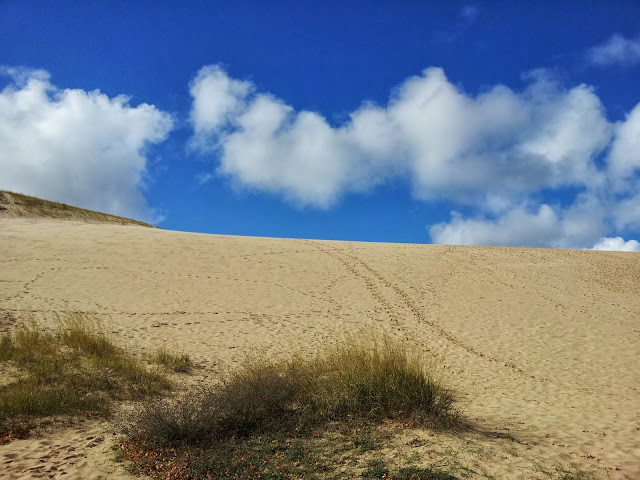
Do you really need to climb this?
Don’t try to do everything
This will be the hardest to do, for many reasons. You will want to see and do everything! You’re out and about, and it’s so enriching and enticing (so different from life at home)! It may be rare for you to travel, and so you want to squeeze every last ounce of goodness out of the journey. But that is exactly why you should underplan – and underdo – each day. You’ll have time to rest, and also allow for serendipity.
When you look at those top 10 (30, 50, etc.) lists of things to see in each place, look carefully at each item. Are you totally interested in seeing a particular one? What about that destination appeals to you? Find your passions, and work those in. It might be a quilting exhibit at a university, or a special painting at a museum. It might be a restaurant, or some incredible landscapes, or you just want to sit and drink coffee in Paris. It might be a beach at sunset, or looking for dolphins, or sitting quietly with an extraordinary vista in front of you. Cut down on what others say you should see, and work out what you totally want to see.
Maybe something small and easy will entrance you. I remember getting up early while we were in Ireland, and just sitting outside. I was watching the seals cavort, the sun rise over the Beara Peninsula, the heron fly by, the fishermen head out for the day; hearing the birds chirping – and me drinking hot coffee and nibbling on a few fresh blackberries I’d just picked. To me, THAT is the essence of Ireland – not climbing around Bunratty Castle (although I loved it), or the great seafood chowder, or the incredibly beautiful scenery – but peaceful early mornings, just being. Relish these times! They are among my very favorite memories of being in Ireland.

Watching a sunrise in Ireland - low energy, high reward
Communicate with your travel partners
Communication is key. Once your travel partners know your limits (and we know that these limits are always changing, minute by minute), they can help you and also choose to do other things, while you rest. If they know that loud music or noise makes you sick, they can keep the music in the car off, and try to find quiet places to eat, shop, and rest. They understand that bathrooms might be needed quickly, that snacks are important, that a hug both takes and gives energy. They will also know that no matter what you WANT to do, they should help guard your energy and time from others – and yourself. I always want to push myself, to experience all I can; my husband reminds me and reigns me in when I get that super tired look in my eyes. Sometimes, we’re our own worst enemy.
Accommodations
We always rent homes or apartments when we travel, for several reasons. There are spaces away from common living areas, in which to rest (instead of one hotel room, where rest is nigh impossible with a family). There is a kitchen, so you can eat when you want, without having to expend the energy on being in a restaurant. You can also have a variety of healthy snacks available (especially those that need refrigeration, like yogurt – so good for your stomach). There is often a yard, so your kids can play outside while you sit and watch (and rest).

Yumminess (and ease) ensued – our kitchen in Pier Cottage
Transportation Tips
Car
Because I also have mobility disabilities, we always rent a car. But this is common sense advice for travelers with ME/CFS and Long COVID. Cars can take you right to the door, and you won’t have to spend energy walking. You also won’t trip on uneven pavement (which always seems to find me!). You will be able to save your energy for the place you are going, instead of spending it on getting there. Pack enough pillows so that you can sit comfortably, stop at every rest stop to move around a bit so your muscles don’t cramp up, and create a restful car environment. If you try to do too much or drive for too long, you might suffer extreme fatigue and lose focus on the road. If that happens, pull over and let someone else drive, or stop for the night. It might be annoying to your travel mates to not have road trip music blaring, but it’s worth the quiet for your health. Most countries accept your handicap parking placard. Do some research in advance to ascertain if this is true where you are headed.
Air
Take all medications in your carryon. Bring earplugs or noise canceling headphones. If you can, bring a small pillow to ease your neck.
Ask for handicap transportation to and from the gate. This will not only help with your pain and fatigue, but help you avoid huge crowds, pushing, and noise. (In the US, you can also call TSA Cares at least 72 hours ahead and they will send a Passenger Support Specialist to meet you at security. It is free, and it is one of the best-kept secrets in air travel.)
Book direct flights, or as few layovers as possible. It’s worth paying extra to not have to deal with boarding, time delays, crowds of people, germs, and extra steps.
And if you use a CPAP, our guide to flying abroad with a CPAP covers the paperwork, the security line, and the battery rules.
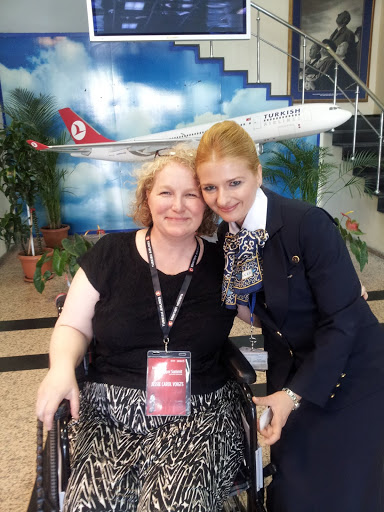
Big thanks to a new bestie
It’s worth it
It might seem like an enormous undertaking, traveling with ME/CFS. And, to be honest, it is. You might head into a crash, because of all the extra energy you’re expending. That is the deal we make.
But it’s worth it. To explore the world, on YOUR terms, is the best gift you can give yourself.
If you are newly here from Long COVID, and this all sounds impossible right now, I understand. Rest first. Learn your envelope, and your spoons. The world will still be there, and it will still be beautiful, and you will get back to it in a shape that fits the body you have now instead of the one you used to have.
Who knows where the road will lead?
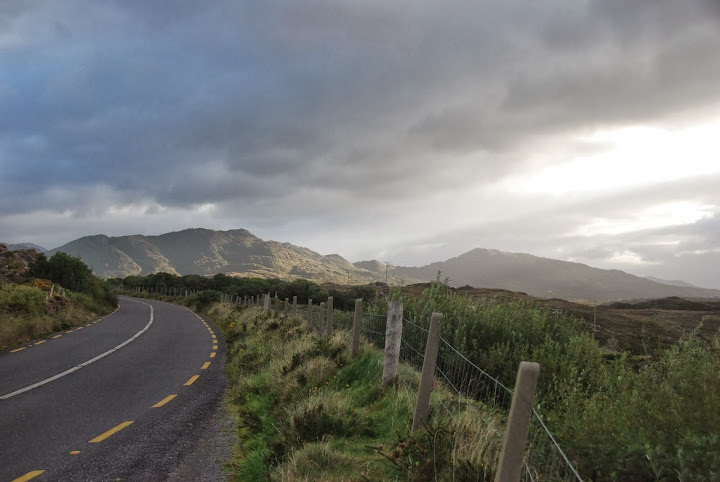
As for me? I find my travels so much richer by focusing on a few things over more than a few days, and deeply experiencing a place and people. I have time to rest, and have created energy to have a deeply meaningful conversation with a librarian, met a fellow sunset-watcher and had a quiet communion with nature's best, gave an early morning wave to a passing fisherman.
Resources on Disability Travel here at Wandering Educators
• The Imperfect Traveler’s Guide to Traveling with Pain
• Traveling with a Mobility Disability in Ireland and Scotland
• Solo Travel with a Disability
• The Ultimate Accessible Road Trip Guide
• Finding Unexpected Joy in Turkey
• MIUSA - a fantastic resource for travelers with disabilities
• Antarctica Ask the Expert: Can you Travel with a Disability?
We highly recommend Health Rising’s An Offering: ME/CFS Resources and Support for the COVID-19 Long Haulers
Jessie Voigts is the founder and publisher of Wandering Educators. She has a PhD in International Education, has lived and worked in Japan and London, and traveled around the world. She is constantly looking for ways to increase intercultural understanding, and is passionate about study abroad, accessible travel, and international education.
Find her online via Instagram, Facebook, or LinkedIn.
Note: This article was originally published in 2013 and updated in 2026.
This article is one traveler’s experience and is not medical advice. Talk with your own clinician about pacing and travel.