
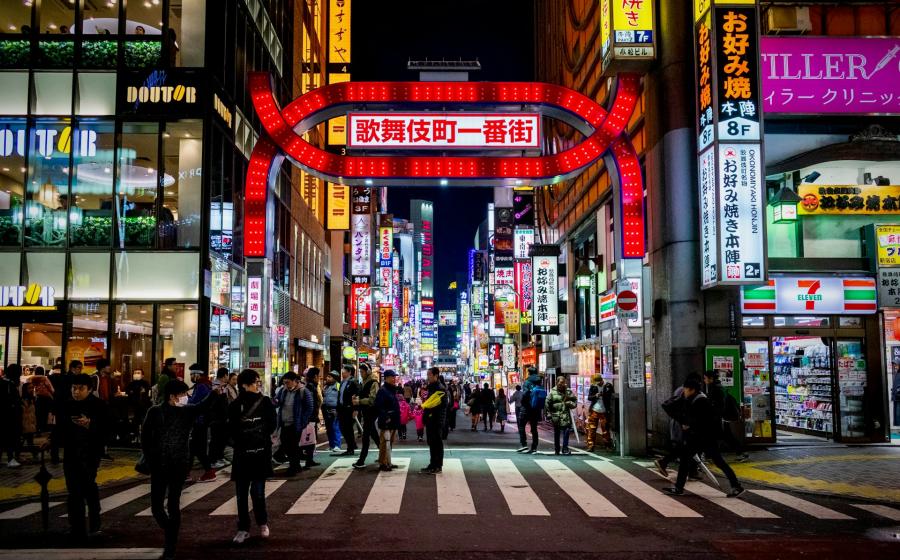

Travel teaches us far more than geography, history, or language. Every destination introduces visitors to different traditions, customs, and ways of spending free time, offering valuable insights into the culture of a place. While museums, historical landmarks, and famous monuments often receive most of the attention, entertainment districts can be equally educational. They reveal how communities gather, celebrate, socialise, and express their local identity.
Whether watching a football match in England, attending a jazz festival in New Orleans, exploring Tokyo’s vibrant nightlife, or enjoying a theatre performance in London’s West End, travellers experience much more than simple entertainment. They witness traditions that have developed over generations and continue shaping the character of each destination. Looking beyond the obvious tourist attractions often leads to the most meaningful travel experiences.

Entertainment Districts Tell the Story of a City
Some neighbourhoods have become internationally recognised because they combine history, architecture, culture, and entertainment in one place. Areas such as Broadway in New York, the West End in London, Shinjuku in Tokyo, and the Las Vegas Strip each tell a different story about the cities they belong to. Their restaurants, theatres, music venues, sporting events, and public spaces reflect both local traditions and changing visitor expectations.
Casino destinations are also part of this cultural landscape. Places including Monte Carlo and Las Vegas have developed reputations that extend far beyond gaming, attracting visitors through luxury hotels, fine dining, live performances, museums, and major sporting events. Exploring these destinations provides an opportunity to understand how tourism, hospitality, architecture, and entertainment industries work together to shape local economies.

For travellers who become interested in Britain’s regulated gaming sector after visiting these destinations, mr Q live casino represents one example of how licensed entertainment continues beyond the journey itself. Regulated by the UK Gambling Commission, the platform offers professionally hosted live dealer games alongside a wide selection of casino titles while placing strong emphasis on responsible gambling tools, transparent promotions, secure payment options, and clear player protections. Rather than replacing the experience of visiting famous casino cities, regulated online platforms demonstrate how entertainment continues evolving within carefully supervised markets.
Travel Encourages Cultural Curiosity
One of the greatest educational benefits of travel is discovering that leisure looks different in every country. Some destinations celebrate centuries-old festivals, others are known for sporting traditions, while many combine historical customs with modern forms of entertainment. Observing these differences encourages travellers to appreciate cultures from new perspectives instead of viewing them through familiar routines.
Entertainment also reflects local priorities. A city famous for music may invest heavily in concert venues and cultural events, while another destination may focus on motorsport, theatre, or culinary festivals. Even industries that visitors may not personally participate in can reveal interesting information about national regulations, economic development, and changing consumer habits.
According to BBC Travel, meaningful travel often comes from engaging with local communities and understanding how people actually live rather than simply visiting the most photographed landmarks. Conversations with residents, neighbourhood festivals, local sporting events, and everyday social spaces frequently leave stronger impressions than famous attractions because they provide genuine cultural context.

Technology Helps Visitors Discover Authentic Experiences
Modern travellers have access to far more information than previous generations. Digital maps, translation tools, travel blogs, audio walking tours, and local recommendation platforms make it much easier to discover neighbourhood experiences that traditional guidebooks may never mention. Instead of following the same itinerary as every other visitor, travellers can find independent galleries, community celebrations, local markets, walking tours, and family-owned restaurants that provide a more authentic view of a destination.
Technology also helps visitors better understand cultural etiquette before they arrive. Learning about customs, public transport, local laws, and regional traditions allows travellers to approach new places with greater confidence and respect. Rather than replacing cultural exploration, digital resources have become valuable educational tools that encourage more informed and responsible travel.
Responsible Tourism Includes Understanding Local Regulations
Learning about a destination also means understanding the rules that shape everyday life. Different countries regulate transportation, environmental protection, public behaviour, and entertainment in different ways, reflecting their own priorities and legal systems. Taking the time to understand these differences helps travellers make informed decisions while showing respect for local communities.
The same principle applies to entertainment industries. Some countries maintain tightly regulated gaming markets with strict consumer protection requirements, while others prohibit certain activities altogether. Recognising these differences reminds travellers that leisure activities are influenced by national laws as much as cultural preferences. Understanding the local regulatory environment provides a more complete picture of how each destination balances tourism, business, and public responsibility. Be aware, be respectful.

Every Journey Expands Our Definition of Entertainment
Perhaps the greatest lesson travel offers is that entertainment has no universal definition. One community may spend weekends attending football matches, another may celebrate through music and dance, while others gather around food festivals, theatre performances, or cultural celebrations. Each experience reflects traditions that have evolved over many years and continue bringing people together today.
Approaching every destination with curiosity rather than assumptions allows travellers to appreciate this diversity more fully. The most memorable journeys often come from discovering activities that were never part of the original itinerary, whether that means attending a local festival, exploring a historic theatre district, or learning about an unfamiliar aspect of the local culture.

Travelling with an open mind transforms entertainment into something much more meaningful than simple recreation. It becomes another way of understanding history, communities, and the values that shape different societies around the world. Those insights remain long after the trip has ended, making every journey an opportunity to continue learning through experience.