
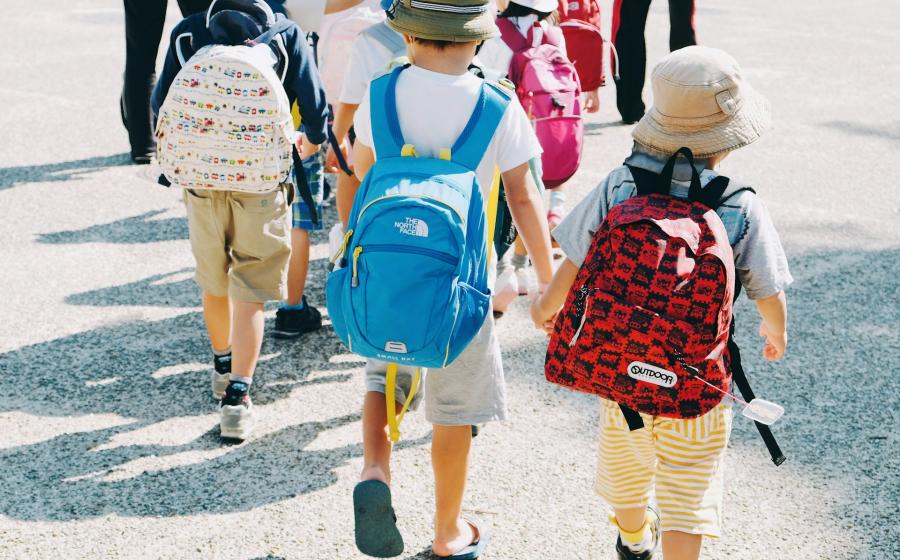

Teachers can make classroom time fun. They can turn a story into an interesting debate. Or a worksheet into a game. Still, there’s only so much energy a classroom can hold. Four walls become small when kids’ curiosity gets big.
Field trips give that energy somewhere to go. They give students a break from the classroom. At the same time, they keep learning alive. Kids get to see and touch real spaces. It wakes something up in them. A kind of excitement to learn that doesn’t always show up during desk work.
That’s what makes field trips awesome. They give children a chance to broaden their horizons, much like traveling the world can for teachers. Seeing new places changes how people think. Kids deserve that same sense of wonder. They deserve chances to appreciate the world around them.
Here are six reasons teachers should advocate for more field trips.

1. They Turn Lessons Into Experiences
Kids remember what they experience. Not just what they hear. Field trips take something abstract and make it real. A science lesson feels different when kids are in a museum exhibit. History has more of an impact when they’re walking through the place where it happened.
To make the school trip more impactful, connect the visit back to one clear lesson before and after the trip. It helps students see the “why” behind the outing. One big idea per visit works. Guide them on what to observe. What should they talk about after. A science center trip might focus on energy or motion. A museum visit might focus on a specific time period. The result is a deeper understanding of lessons. Kids return to class with sharper recall from their lived experiences.
2. They Reach Kids with Unique Learning Styles
Students all have different learning styles. Some learn by seeing. Others by hearing. A lot of kids learn best through hands-on activity. Field trips give space for all of that. Visual learners light up in exhibits. Hands-on learners thrive when there are cool activities to try. Auditory learners love stories and explanations. Kids who struggle in class can find their footing in trips.
Plan field trips with variety. Build in moments where students observe quietly. Then, give them space to speak up and ask questions. You could also bake in time for them to can explore freely. Different learners should all find something that clicks for them. That way, there’s more inclusion in learning.

3. They Bring Maps to Life
During field trips, geography becomes more than lines on paper. They help students connect with places. A city on a map suddenly has streets they’ve actually walked. A landmark becomes something they remember seeing with their own eyes. That builds curiosity about places and cultures. Some students might even fall in love with travel and encourage their families to take educational trips of their own.
Start small with local trips. Historical sites. Nature reserves. Neighborhoods with cultural significance. Before the trip, show the class the map. After the trip, revisit it. Ask students what feels familiar now. They’ll get stronger spatial awareness and curiosity about the world beyond their daily route.
4. They Show Kids What Makes Their City Special
Students often pass through their city without really seeing it. Field trips change that. They make familiar streets and places more meaningful. Kids begin to notice architecture. The city becomes part of their learning. It also builds a sense of pride in where they come from.
For example, schools in Atlanta might organize field trips to the National Center for Civil and Human Rights. There, they learn about historic social justice movements and the people who shaped change in America. Students realize their city’s part in the Civil Rights Movement. The result is a stronger connection to their hometown. That pride will show up whenever they talk about what makes their city great.
5. They Inspire Future Careers
These outings also open doors that students didn’t even know existed. A visit to a hospital can spark interest in medicine. A trip to a newsroom can introduce journalism. Environmental field trips inspire future scientists. These moments are often short and sweet. But they stick. They give students a glimpse of what they want to be when they grow up. Students start to picture themselves in different spaces. Early career awareness can shape their long-term motivation during high school, college, and beyond.

6. They Strengthen Teacher-Student Bonds
Field trips change the dynamic between teachers and students. They make them better. Outside the classroom, conversations are more natural. Everyone laughs more. Kids see teachers as guides, not just authority figures. That reframe builds trust.
Having a good relationship with a teacher can make classroom life more comfortable for students later. They’ll be more willing to ask questions and participate in day-to-day activities. Teachers also understand their students more deeply. That connection can carry into everyday lessons.

Field trips give kids a break from routine. They spark curiosity. They see their own city in a new light. All while making real-life lessons stick.
As a teacher, consider your future lesson plans and how they could come alive outside the classroom. Both educators and parents should advocate for a field trip there. Picture your students talking about it after they return. How lessons outside classroom walls created outsize educational opportunities. Those will be the kind of learning days kids won’t forget.