
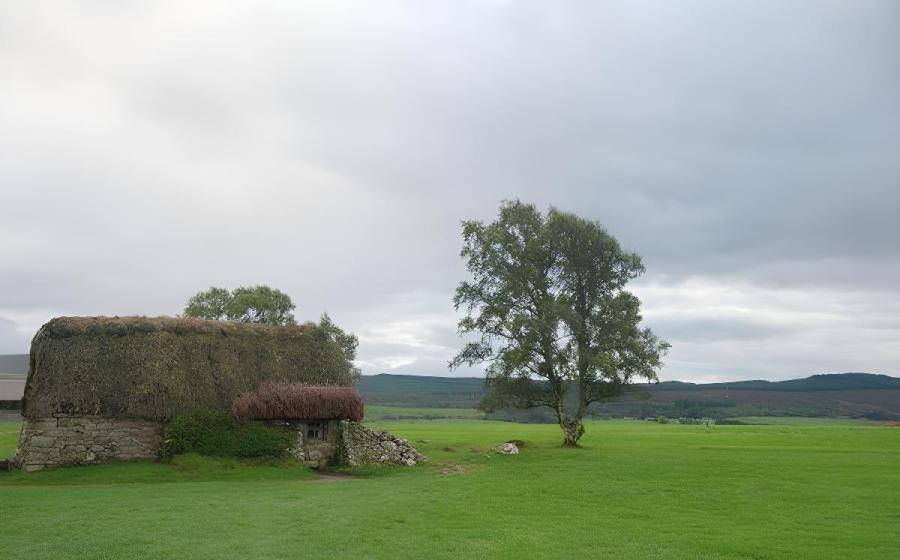

On a misty grey morning at Scotland’s historic Culloden Battlefield, our daughter Lillie did not want to leave.
We had arrived early. Hours (and hours) later, a guide came to tell us the site was closing. Lillie kept going back to the same long stretch of Drummossie Moor, listening hard to the wind. She wandered to and from Leanach Cottage, meandering among clan grave markers, treading lightly and with respect. She asked questions, then went back to the marsh to think.
Ed and I eventually sat down while Lillie was lost in history. It might have been the weight of the air, the tempestuous clouds in the sky, or even the somewhat eerie sense that we were not the only ones on the field that day. We were the very last to leave (and a little late getting back to dinner).
Nobody had to make our day trip to Culloden educational. Lillie made it educational, because something in the place caught her, and she gave it her full attention. To this day, that liminal time and space in our travels is one of her very favorite family travel experiences.
After almost two decades of publishing Wandering Educators, I get a question over and over from parents: how do I plan an educational family trip my kids will actually love?
My answer keeps getting simpler:
Any trip can be educational. The preparation is to encourage the curiosity so it has somewhere to go.

Why every family trip can be educational
A common misconception is that educational family trips are a special category of trip. Choosing the Smithsonian over a beach week, or a walking tour of Pompeii over a cottage in Co. Kerry. That framing leaves a lot of learning (and life!) on the table.
Cooking with a vendor at a Wednesday market teaches as much as a museum room about a culture. A slight detour in Scotland to Clava Cairns teaches geology and history together, and provides room to stretch, run around, and use your imagination. A Saturday afternoon at a pow wow teaches more about a living culture than most textbooks ever will. Picking blackberries on the way to a swimming hole teaches a kid where food comes from. Food festivals, like Keweenaw's annual Pasty Fest, can teach more than you imagine about history, labor, traditions, and, of course, food!
What turns ordinary travel into learning is how your family embraces the magic, joy, difficulty, and curiosity inherent in travel.
That is the heart of why we love traveling with our daughter.
We have taught our daughter from a young age that curiosity is encouraged (and valued!).
Travel taught Lillie how to be curious in new locations and cultures, how to listen well, and how to recognize that people live full, complicated lives in places she had never seen.
Those life and travel lessons turned into a worldview. If you want a broader frame for the same idea, the case for exploring the world with your kids is the starting point.
I have written a companion article, entitled Places to Travel with Family: Nine Trips That Teach Your Kids Something Real. I think you'll like it! It's a love letter to family travel (and our family's travels).

Treasure hunt at the British Museum
Start with curiosity, not curriculum
Start with a curriculum and you have to drag the kids through it. Start with curiosity, and the kids drag you. In practice, that changes everything about how the trip unfolds (and, let's be honest, how enjoyable it is for your entire family).
You stop trying to teach them and start helping them teach themselves. The pack gets lighter. You stay longer in fewer places. You let your kid linger at the costume warehouse, the tidepool, the science museum where the exhibit sneezes on you (Ew! Cool! No one is complaining about that).
Curiosity is not a special talent. Kids come with it (yours, too). The goal is not to bury it under itinerary, but build in a worldview where everything is a family adventure.

Navigator, not passenger
Where do I begin when I want to plan a family trip that actually builds curiosity?
Let your kids help plan the trip
This is the single most powerful thing you can do! Research is part of the joy of travel, and kids who help research a trip arrive quite eager to explore.
Sit down with each kid before you decide your destination, or book anything. If you have a few destinations in mind, prepare the way. You might already be exploring cultures, places, and adventures through food, books, music and movies, friends, and fandoms. This makes it much easier for your kids to be excited about planning and traveling!
Schedule a family travel planning meeting, and provide a few options of where you are thinking your family might go. Your family might decide then and there where to go, or need a few days to research and think. Depending on the age, now is the SUPER fun part. For younger kids, have some additional picture books and media ready to learn from (what family doesn’t want to go camping with Bluey and Bingo?). Head to the library for books, and show them how to look up a place online. Schedule another family travel planning meeting a week or so later.
Everyone should come to the table with a destination, and the top three things they TOTALLY want to do. Once the destination is decided, everyone chips in with research, ideas, boba shops, tours, shopping, activities, etc. The hard part will be to winnow it down to something doable for every member of the family. These self-designed trips teach your kids how to research, critical thinking skills, communication, and adaptability.
Let them pick one passion per trip they want to do, even if it is unusual. It might be attending art fairs, k-pop dance lessons, taking in a musical, riding bikes, staying in a houseboat, hitting a trendy spot (Harajuku, anyone?), spending time with dinosaurs…well, you know your kids and what they love.
This is a chance to explore that passion in a new place, with a new frame of reference.
Our daughter’s passions have pulled us through countless experiences, including time traveling at the Michigan Renaissance Festival, taking a speedboat on the rapids at Niagara Falls (yes, we were soaked), attending a national pottery conference in Minneapolis, and spotting dolphins in Scotland.
Here’s how:
Give them a research budget in time. Two evenings to research destinations. Three new questions to bring with them to the family meeting. 1.5 months to finalize plans!
Let them pick some food. Even small kids can have an opinion about pancakes in the dining car or a regional dish they want to try (Lillie still talks about her first taste of haggis). This is especially important for picky eaters.
Equalize the trip. Every person’s passion should have equal weight in time and experiences. You’re all represented in both expectations and responsibilities.
Kids who arrive at the airport with research and things they are excited to experience are an integral part of the trip, not passengers on it. That is the educational foundation that is built through fun, collaboration, discovery, and learning.
Tip: Listen to your kids’ ideas, finds, and opinions. The research is half the learning!
Build the trip around their passions
A passion-led trip outperforms a curriculum-led trip every single time. Why? Because it’s FUN!
Art-loving kid? Plan an art trip. Teach them to love art at home first, head to family-friendly art experiences close by, and read about building a lifelong foundation with seven tips for teaching your kids to appreciate art museums.
Science-loving kid? Plan a science trip with as many add-ons as you can. An aquarium is the kind of place a curious kid can lose half a day inside, eyes glued to a tide pool tank. Similarly, a whole building full of dinosaur bones can enthrall some people like nothing else.
Bookish kid? Plan a literary travel trip. Harry Potter in Edinburgh. The Odyssey in Greece. A road trip through Anne of Green Gables country.
History-loving kid? Plan a history trip. The U.S. Air Force Museum for aviation. A medieval banquet at Bunratty Castle for the full feast with cast. Ancient Egypt and archaeology at any museum with a strong collection.
Even a partial passion anchor enhances the rest of the trip for everyone. Kids who arrive interested in one piece of your family travel adventures bring their own questions to the parts they did not plan, and they pay closer attention to everything in between.
Tip: Be sure to equally honor everyone’s passions.

Pay attention to what they keep coming back to
Educational family trips for every distance
An educational family trip can be a day trip to the next county, or a long plane ride halfway around the world. What matters is finding a destination your kids do not already know in detail.
Close-to-home and day trips
Day trips are the most underused educational trip in a family's calendar.
Travel your home first. The state historical museum twenty minutes away, the county park with the wildlife program, the yearly art fair, the small town one county over with a historic main street and a bakery and bookshop (double bonus!) worth the drive. None of these require a hotel.
Day trips also help you figure out what excites your kids and how much stamina they have for new places (and, of course, the amount of snacks to bring). Use them diligently. Your kids will gain travel experience, learn that they are great travel planners, and become familiar with exploring new places. Day trips become tried and true scaffolding for the longer trips.
Shorter family trips
A two-night or three-night trip is the sweet spot for many families: a regional city with a museum and a walkable neighborhood, a national park with a ranger program, or a working farm or living-history site. These are exactly the kind of trips a family can take in a long weekend.
Shorter trips are also the easiest way to test passion-led travel. Pick a destination that lines up with what your kid loves, and stay just long enough to go deep on it. This will only get them more excited for the next.
Longer and bucket-list family trips
By default, longer trips have a depth that shorter trips cannot. Take a week, two weeks, or a month if you can manage it. This time frame allows the bucket-list trip to bloom. Find the perfect vacation rental (here's our guide!) so that you make a place a home.
This is the trip where the kids stop being tourists. They learn the names of the dog next door, the bakers and the pub staff, figure out where the bus stops, and watch the same harbor at different tides. By the second day, by the fourth, by the time you leave, the place has taught them more than you ever could. In Co. Kerry, we met up with long-distance and now local friends who taught us about tides and shrimping in a way no guidebook could have. That is what time on the ground does.
Bucket-list trips deserve real preparation, and kids who help prepare own the trip in a way that lasts a lifetime.

Geeking out on travel prep!
Tasks that turn kids into active travelers
Give kids a job. The learning opportunities from these tasks turn passengers into true travelers.
Navigation. Hand your kid the map. Let them call the next turn. The same long drive that bores a passive kid absorbs a kid who is steering.
I Spy, treasure hunts, and sign games. Find a yellow door. Spot three different national flags. Who can find the oldest building on this street? These cost nothing and teach kids to look.
Family-designed adventure cards. We LOVE doing these. Every person in the family comes up with several things to do in your destinations. Make little cards with the ideas on them. In turn, have each person randomly pull one out the night before for an adventure the next day. We’ve found the craziest hot dog in Chicago, a starfish on a beach in Seattle, a hidden treasure at Cedar Point, the most unique souvenir to bring home to the grandparents, etc. It is so much fun to see the creativity your family can explore and share!
Travel journals and photo essays. Each kid should have a small notebook and a pen, or a phone with a note app and camera roll they can curate. One observation a day, or one photo with one sentence about why they took it. Teach about five senses writing, and how it informs memories.
Souvenir collecting with a purpose. Tickets, postcards, pressed leaves, recipe cards from market stalls. Anything that becomes a record. The collection itself is the lesson, because it arises from curiosity and shared experience.
Local research on the ground. Have your kid ask the docent a question. Ask them to order at the gelateria, or look up the next attraction's hours. If your kid is like mine, conversations with people will lead to new and exciting places, flavors, and cultural things to explore.
Each of these tasks level your kids up from being towed along on the trip to active, interested participation.
Tip: Match the task to the kid. A six-year-old can run a treasure hunt. A twelve-year-old can run the day's itinerary.

Keeping the curiosity alive after you get home
Your family trip does not end at the front door. Curiosity doesn’t, either.
Spread the souvenirs out on the dining table after you get home, eat favorite meals from the region, look at the photos together, and ask each kid what surprised them. Incorporate your new experiences and passions into your family life.
Over the following weeks, follow those threads. If your kid keeps asking about the seabirds on the cliffs, head to the library and get the bird book, find videos online of the seabirds, go on a nature walk. If she got attached to a country's flag at a museum, look up why the colors are what they are, and have her design flags for each place you went in that location. Cook something from the region often (the bonus of this is that your cultural learning through meals is a great reminder of place and experience). A random concert in the park could lead to your entire family loving a new band or genre.
Raising your children as global citizens that care about the world starts here. Travel and home are connected practices. The curiosity you build on the road keeps growing in the kitchen, the library, the backyard.

Curiosity is the most amazing thing
Frequently asked questions
How do you make a family trip educational?
Start with what you and your kids are curious about, let them help plan, give them tasks while you travel, and follow the threads after you get home.
What are educational family trips?
Any trip you take with your kids! Day trips and bucket-list trips both qualify. When you live a life of loving learning, everything is educational (and fascinating).
How do you plan an educational family vacation?
Choose a destination that connects to a passion your kids already have or are interested in learning about, give them research time before the trip, and build in enough slow days on the ground for them to allow serendipity to guide them.
How do you teach kids while traveling?
By stepping back. Set the scene, give them opportunities to lead, and let them ask their own questions. The teaching takes care of itself.
What activities make travel educational for kids?
Navigation, journals, photo essays, treasure hunts, market visits, library stops, and local conversations…anything that puts your kid in the middle of the trip rather than along for the ride.

Memories are the very best souvenirs
Have you taken your kids on an educational family trip? Where did you go? What surprised them? How has it informed your family life since then?

Exploring history in Vietnam
Further educational family travel resources I've written here on Wandering Educators:
Historic Walking Tours: How to Find (and Savor) the Best in Any City
Global Citizenship Education: What It Is and Why It Matters Now
Places to Travel with Family: Nine Trips That Teach Your Kids Something Real
History Tours Worth Taking: An Educator's Guide to Traveling Through the Past
10 Ways to Raise an Intercultural Child
Why We Love Traveling with our Daughter
The Importance of International Experiences
Cultural Travel: A Guide to Trips That Teach
Cultural Immersion Travel: A Guide to Being Welcomed In
Walking the Black Heritage Trail: History, Stories, and How to Visit
Traveling with Picky Eaters: How to Raise Adventurous Eaters on the Road
Creating Meaningful and Lasting Memories during Trips with Your Kids
Jessie Voigts is the founder and publisher of Wandering Educators. She has a PhD in International Education, has lived and worked in Japan and London, and traveled around the world. She is constantly looking for ways to increase intercultural understanding, and is passionate about study abroad, family travel, and international education.