
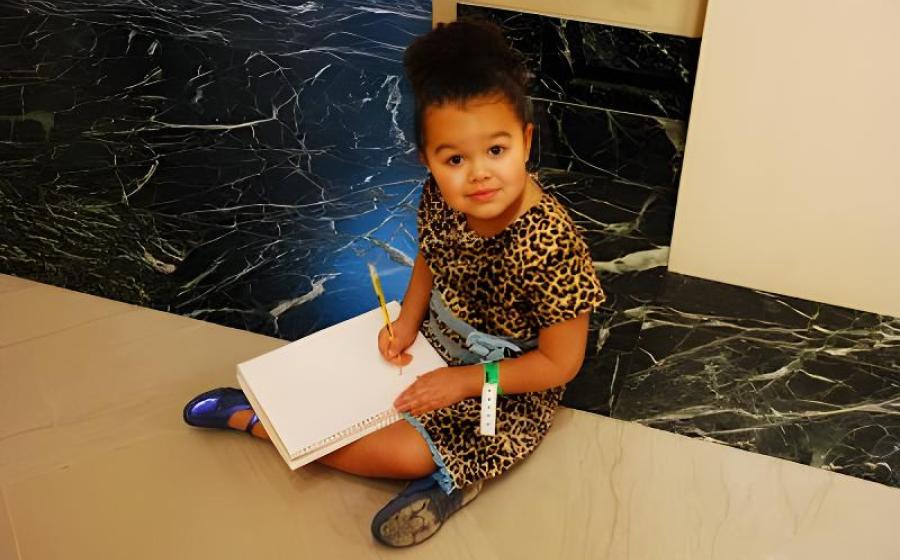

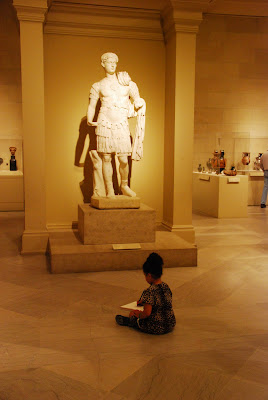
When Lillie was small, she stood in front of the Colossal Statue of Tutankhamun at the Institute for the Study of Ancient Cultures at the University of Chicago. She curled her little hands into fists, just like his, and stayed there for what felt like a long, long time.

There is NOTHING in the world like seeing your kid get lost in learning! That moment is the reason we keep going back to Chicago, the reason we love traveling with our daughter, and it is the reason I keep publishing Wandering Educators after almost two decades of family travel.
Here is something I have come to feel strongly about over those decades: the trip is only half of the trip. The other half is the preparing.
Reading the book before you go. Shopping for and cooking the food before you taste it in the country. Watching the films, listening to the music. Learning the words (including slang, hoping that you’re doing it right). Looking up the museum's online walkthrough so your kid recognizes the environments they are about to step into. Talking about language, culture, history, music, lived experiences.
Honoring exploring your kids' interests, and helping them find new ones.
We encourage preparing kids before they travel; the families who do this well get more out of every place they visit. They also get a great deal out of destinations they have not visited yet.
In this guide, I have put together nine of our family's favorite places to travel together, with a "before you go" section inside each one. That section is for the families packing their bags. It is also for families who cannot take the trip yet, but want to learn together at home in the meantime (looking at you, Paris!). And, as always, wending my way through my writing are tips on how to raise kids who love to learn (especially while traveling), and cultural travel (and all the learning and curiosity that entails).
Here is what we have loved, what we have learned, and the resources that turn anticipation into preparation.

1. County Kerry, Ireland
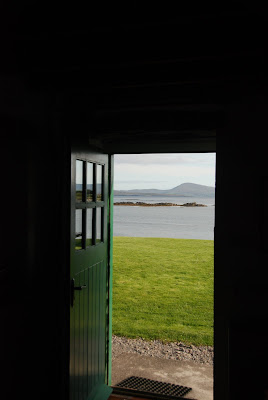
The Ring of Kerry gets all the press. Pull off and drive the Skellig Ring instead! Stay at a cottage on a quiet harbor like we did, at Pier Cottage in Westcove. This kind of home base influences how you experience a place.
We discovered our local cemetery, ancient hill fort, chocolate shop, and beach. The musicians at the pub one town over will know your kids' names by week two. And for the history-by-doing part of your trip, visit Bunratty Folk Park and Castle.

Before you go
Read Under the Hawthorn Tree so the landscape has meaning. Read about Carnegie libraries, since you will want to stop in at Kenmare's to chat with a librarian and see what local events you might be interested in. Cook Irish soda bread and fish chowder together. Listen to a few Irish trad albums (or kick it old school with U2. You already know the lyrics). Watch The Secret of Kells (all ages) or Brooklyn (with older kids) to discover more about Ireland’s history. Learn about the Skellig monks before driving the Skellig Ring (and watch the last Star Wars movie, which was also filmed there – Luke was living on that island when Rey came to visit!), and look up Staigue Fort so the kids know what they are walking up to (and around on top of). Bunratty has a virtual peek on its website; get the kids primed for the historic village, including Traveller caravans, thatched roofs galore, and the delightful medieval banquet.
The story
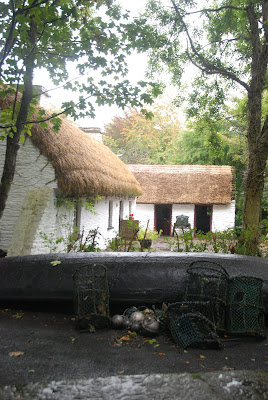
At Bunratty Folk Park, Lillie sat down in a 19th-century Irish schoolroom and stayed, imagining what it must have been like. She stood next to an Irish wolfhound and realized HOW BIG those dogs actually are (the height of a horse, more or less!). At the Bunratty Castle Medieval Banquet that evening, she learned how to eat with a sharp knife (and only a knife, because that is how they ate, back then). She was invited up on stage at the end, and wore a crown while everyone in attendance sang the evening closed.
Another story: Ed has always loved horseback riding - even going to ranch camps when young. So what do you do when you are in the land of horses? Well, horseback riding, of course! We contacted Eagle Rock Equestrian Centre, and soon had a time scheduled to ride ON THE BEACH (!!) with the kindest person. What we didn't realize was how ENORMOUS the horses would be. We had to climb up on a tall fence to get onto the horse. It was ridiculously high for an adult, but Lillie was so brave, hopping up on a horse that felt like more than double her height. I will say, I felt even more brave by not showing how scared I was, and practically fell off the horse, boneless, at the end. Sometimes learning what you are able to actually do, even in the face of being scared, is a lifelong lesson, set firmly in time, place, landscape, and the laughter we had afterward (once safe on the ground). This story often gets trotted out (lol).

What kids learn
History by doing, which is what the Folk Park is built for. It shows the literal scale of life in another century, and how meals worked before forks. How a country preserves its past for children, and what that preservation looks like when it is done with care. Participating in something quintessential to a place. Plus: Co. Kerry teaches your kids that a vacation can become a second home if you stay long enough to find the bakery, the pub, the local beach, the library.
2. The Scottish Highlands
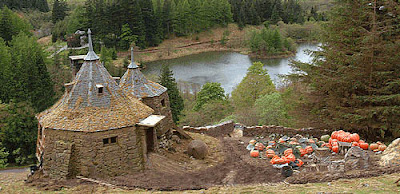
Scotland will feel like you have already read about it, because your kids probably have. Traveling in Harry Potter's footsteps alone gives you Glenfinnan Viaduct (the Hogwarts Express bridge, twenty-one arches, built 1897-1901), Steall Falls at Ben Nevis (Triwizard Tournament), and Glencoe (Hagrid's Hut). Then layer Macbeth, the Jacobites, the 1746 Battle of Culloden, and the lochs. The Highlands are known in literature before you even step foot in this magnificent land.
Before you go
Watch the first three Harry Potter films (the Hogwarts Express scenes in Prisoner of Azkaban will pay off at Glenfinnan). Read or watch Brave and listen to Julie Fowlis singing the soundtrack (it’s haunting, and oh-so-singable). Read about Culloden and the Jacobite rising. Older kids can read or watch Macbeth (we recommend National Theatre or Stratford Festival productions, both online). Dig into our article on Scotland Activities for Kids: Dundee Cake Recipe, Nessie, and a Picture Book!
Together, peruse our tips on taking your kids to Scotland to help you focus on what you’d like to explore there. Look up Clava Cairns, the bronze age burial chambers your kids will get to clamber on, waft through, ponder. Be sure to pack a notebook for the kid who is going to fill it with what they see.
The story
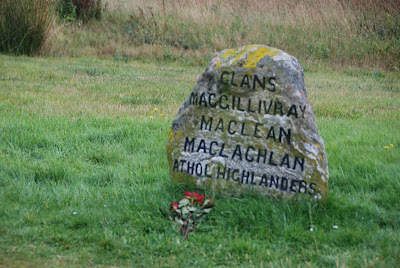
We spent a whole day at Culloden Battlefield on a grey, misty morning. Wandered the paths, and avoided the slugs stretched out on them. We teared up at the Clan grave markers, and paused for remembrance, and felt the weight of history. Lillie kept circling Leanach Cottage, and headed back to specific spots on the battlefield, and listened, and looked off into the hills. We were the very last to leave; Culloden had a firm hold on our souls.
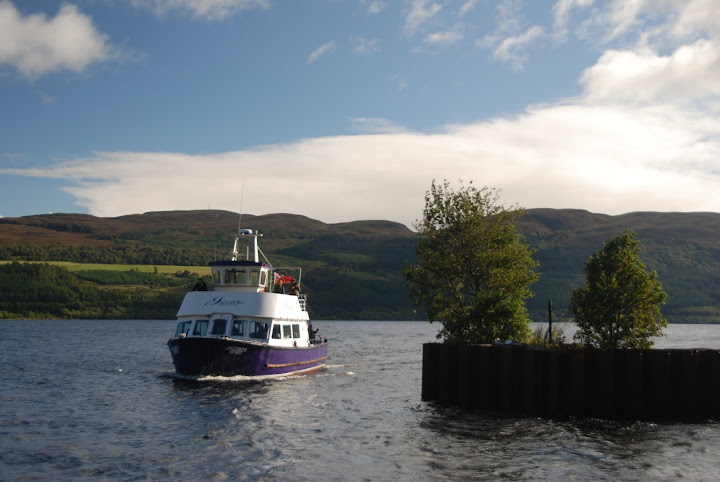
We stayed in a house on Loch Ness. Lillie never wanted to leave the enormous picture windows in the garden room (or the kitchen window, pictured below). I would find her at the glass, looking, looking, looking. When I finally asked why she was not out in the garden, the answer was: she was watching for unexplained wave patterns. You won’t be surprised to learn what we did next: booked a Jacobite boat cruise, which included seeing the ruins of Urquhart Castle. The castle was nice, especially in the mist. For Lillie, the castle was, frankly, secondary. HER point of the cruise was looking for Nessie. We will never tell…

What kids learn
How literature lives in real landscapes. How history can be FELT, not just read. The Jacobite story (which they need, because it explains a great deal about modern Scotland). How to make new friends. How to focus on a search that is important to you. And this is the unexpected one: how to honor a place by staying with it instead of skimming past it. Culloden teaches that lesson better than any classroom does.
3. St. John's, Newfoundland
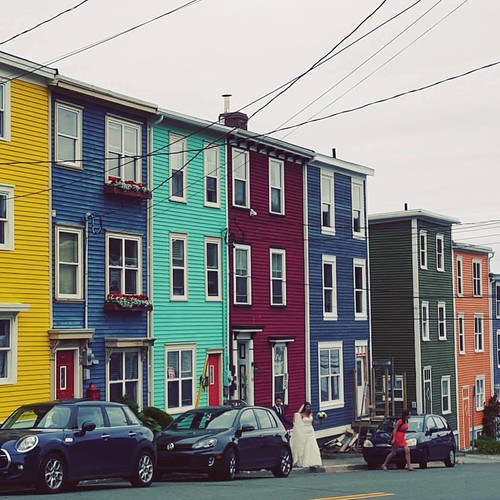
We co-founded a writing conference called Writing Walking Women, and in 2015 we held it in St. John's. It is one of our favorite cities anywhere! The jellybean houses, rich history, oh so friendly (and hilarious) locals, and that special light. St. John's has this crystal-clear, almost-island light I have never seen anywhere else in the world.

Stay at the JAG Hotel, which is one of my favorite hotels in the world. Eat at Ches's Fish & Chips and order with stuffing and gravy, which is how locals do it (or, if you’re addicted like we are, make it a poutine). Drive south to Bay Bulls for whale watching. Get screeched in, if you’re there at the right time. See local theatre productions, take a self-guided outdoor art tour (art is everywhere!), shop local, find local picture books (we love the publishers Flanker Press and Breakwater Books) in the bookstore and buy them all. Walk all those hills to discover your favorite jellybean house color.
Have folklore-inspired kids? Take a road trip to the Cupids Legacy Centre, which has a fairy garden on the rooftop, or take a fairy doors tour right in St. John’s.
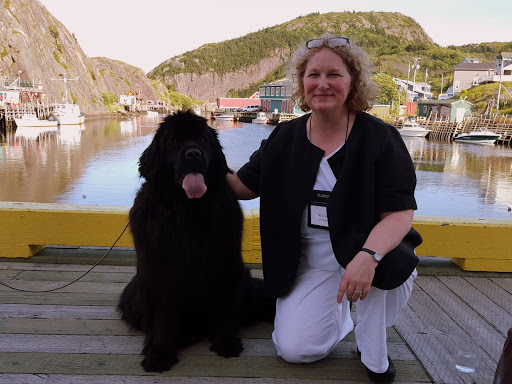
Wander Quidi Vidi. If you’re lucky like I was, you might run into a Newfoundland.
Before you go
Read Dale Jarvis's Newfoundland folklore books before you go on his Ghosties and Ghoulies Haunted Hike. The man invented the Haunted Hike in 1997, and he is the Intangible Cultural Heritage Development Officer for the Heritage Foundation of NL. Listen to Great Big Sea (the Tavola restaurant owner, Bob Hallett, is in that band). Look up The Rooms museum's exhibitions online. Read up on Atlantic puffins and humpback whales. Learn about the first transatlantic wireless communication (and when you arrive, head up to Signal Hill to see the how and where). See a local production or the movie of the musical Come From Away, which details the experiences of 9/11 passengers and the extraordinary hospitality of Newfoundlanders (I can definitely attest to this fact!).
The story
We took the O'Brien's Whale and Bird tour from Bay Bulls, and saw a humpback mother with two babies breaching! Someone pointed out the light-green shapes under the water, and we all learned what they meant (that captain over the loudspeaker was both funny and a great educator). Got within smelling distance of the largest Atlantic Puffin colony in North America.
Lillie was 13 and she smiled the WHOLE time. Here is what she said when we got back to the dock:
"It was an amazing experience. We saw so many whales, it was an incredible learning opportunity. The guy narrating the tour was hilarious; he definitely made me more interested. Here's another thing about the puffins: they are tiny! I was surprised. I was also surprised at how many seagulls there were. Highly recommended, the best thing we did in Newfoundland."
That is the actual quote, transcribed from a 13-year-old. I keep it because it captures something I think is true about good family travel: your kid is the witness, not the audience.

What kids learn
Atlantic ecology (whales, puffins, storm petrels; the Witless Bay Ecological Reserve is the second-largest Leach's storm petrel colony IN THE WORLD). How folklore is preserved when a city decides to take it seriously (thank you, Dale). How a museum can be three museums in one (The Rooms includes the art gallery, the provincial archives, AND the provincial museum). And, depending on your kid, how to compose a four-sentence review on the spot.

Photo via The Rooms
4. Chicago, Illinois
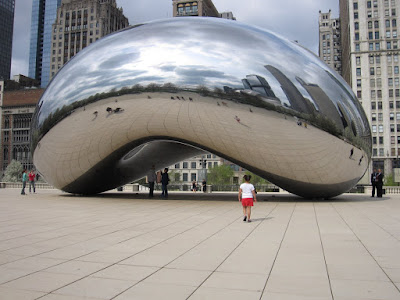
Chicago is our top US family destination, partly because it has three of the country's great cultural institutions within walking distance of each other, and partly because the Bean is just plain fun for kids (and adults). The Shedd Aquarium and the Field Museum will TARDIS into a whole day each. The Art Institute will easily fill another. You will still not be done (let’s be honest: you will never be done. That’s the awesome part). There are also plenty of theatres (we loved seeing Mary Poppins. She actually FLEW!!), attractions (the Ferris wheel at Navy Pier!), sports (take your pick), and SO. MUCH. DELICIOUSNESS.

Before you go
Take the Field Museum's and the Shedd Aquarium's virtual tours. Both are free, both are excellent, both prime kids for what to look for. Read kids' books on ancient Egypt before exploring the Institute for the Study of Ancient Cultures at the University of Chicago (they have a real, walk-through tomb reconstruction and countless interesting artifacts). Look up the Art Institute's most famous pieces and let your kid pick three to find. Watch Ferris Bueller's Day Off with older kids (the Art Institute scenes alone, just saying). Bake something Chicago-style at home; making a deep-dish pizza is excellent pre-trip “research.”
The story
Our standout, though, is the Institute for the Study of Ancient Cultures at the University of Chicago. After all, kids love Ancient Egypt and archaeology! When we went the first time, I immediately KNEW we would be back. (We have been, many, many times!) Lillie wandered the sprawling museum and found things both small and large.
Some of the small things: an ancient scarab beetle amulet, only five inches across, that inspired countless drawings and sculptures at home for years afterward. The tiniest sarcophagi, all in a row.

The large things: entire WALLS of sculpture, and, as aforementioned, the Colossal Statue of Tutankhamun (roughly 3,350 to 3,360 years old), which absolutely entranced her. She looked so tiny, wearing her pink flowered dress, standing in front of a millenia-old statue. That is the photo I keep on my desk.
What kids learn
That archaeology is not abstract; it is objects made by hands belonging to actual people who lived actual lives. World-class natural history (Field), the wonder of the deep ocean (Shedd), the actual physical experience of standing in front of paintings instead of seeing them in a book (Art Institute), the magic of Lake Michigan. Plus: Chicago teaches kids that big cities can be walkable, kid-friendly, and full of public art (kids running around the Bean will not soon forget the Bean).
5. Stratford, Ontario
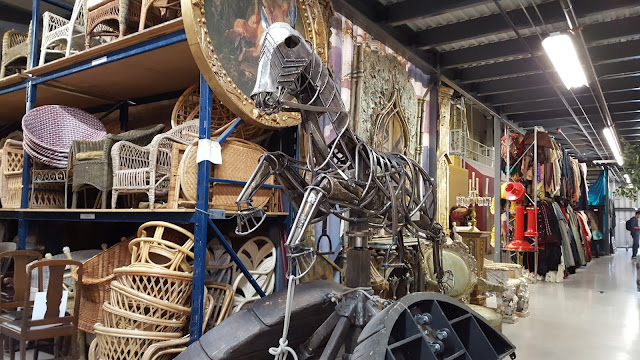
Stratford is what happens when a town decides to be a theatre town. The Stratford Festival is the main event, obviously. The city’s chocolate trail (yes, really!) and Rheo Thompson's chocolate emporium are why you keep coming back. We took the Costume Warehouse tour and they LET US TRY ON COSTUMES. Velvet. Brocade. The works! I cannot recommend this tour highly enough. It is the perfect complement to the shows you’ll see, the magic in the air, the camaraderie of fellow theatre-lovers.
Stratford is also a town our family has loved for generations. I remember perusing the Stratford Festival's seasonal brochure at my grandparents' home, eagerly listening to plot, acting, and show notes, or what they would be seeing next. Soon, I was old enough to go. And then later, we took our daughter. Such inspiration for travel and learning!
Before you go
Read or watch the Shakespeare (and other) plays your family is going to see (The show lineup changes annually. We look forward to the season's release date every year, so we can dream – and plan). Watch a documentary on Stratford-upon-Avon for historical context. Read about how stage costumes are constructed; there are excellent kids' books on this. Delve into our articles on why to travel to Stratford - there is truly something for everyone.
The story
One of the best things about traveling with teens, and this took me a while to learn, is that they SO want to follow their passions and interests. The trip gets richer when you let the teen lead. Lillie wanted to try ALL the coffeeshops in town (Revel, Balzac's, multiple visits back to each). She wanted to pet kittens at the cat cafe. She wanted to visit countless art galleries. She wanted to peruse the Stratford Theatre gift shop before each show (yes, we bought the hilarious erasers that said "Out, damn spot!"). She wanted the vinyl record shop. She wanted, above everything, the theatre. We saw several productions, and the highlight for her was Little Shop of Horrors, which she loves with her whole heart. LOVE!
Think about what your kids love – is it history? Hit up the fabulous Stratford Perth Museum. Want to learn more about the town, in a variety of topics? We highly recommend Stratford Walking Tours (here's our interview!) - check Lauri’s site for specific themed tours. If your kids love art, there are plenty of art galleries, including our favorite, Gallery Stratford, a public art gallery. Feed the swans, wander the shops downtown, eat well, explore the Shakespearean Gardens, which are located riverside.

What kids learn
How a small town becomes a great theatre town when it commits for 74 seasons (and counting). What backstage looks like, and what 74 seasons of textile costuming actually look like in person (those racks we see are absolutely STUFFED). How a kid's enthusiasms can guide the itinerary instead of being bored with it. Cultural immersion travel, and the joy of meeting working artists. Our friend Gerard Brender à Brandis, a Stratford printmaker, has welcomed us into his studio. Taking a cooking class whose recipes are now in your forever favorites repertoire. Celebrating a special anniversary of (and at) Rheo Thompson chocolates with your daughter as press photographer (see below; yum). Those are the kind of moments that turns a destination into a place (and people) that knows you.

6. Seattle, Washington
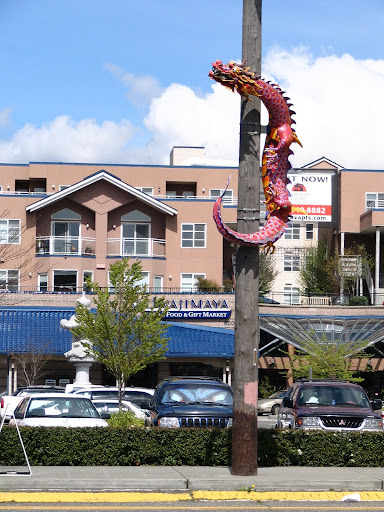
The Pacific Northwest has a particular flavor: the rain, the salt, the fish, the Asian markets, the public art that takes itself not too seriously, the joy of many, many cultures. Seattle is family-friendly in a way that surprises Midwesterners. Close together downtown, you'll find the Seattle Children's Museum, the Artists at Play Playground, the Pacific Science Center, and the Space Needle. Not too far away is Olympic Sculpture Park, as well as the Seattle Aquarium, located right on the water, and (you won't be surprised by our inclusion of this) the Seattle Art Museum. Eat your way through Seattle. Discover water mechanics (and enormous metal waves) at the Ballard Locks. Find the Fremont Troll.

Before you go
Read about Pacific Northwest Indigenous cultures. Take Pike Place Market's virtual tour. Read about Salish Sea ecology (salmon, starfish, otters). Watch a Studio Ghibli film at home if they aren’t already on constant replay; when you walk into Uwajimaya, the Asian market, your kid will recognize the aisles. Look up the Fremont Troll's origin story. It was a public art project, it has been there since 1990, and yes, it really is holding a Volkswagen Beetle. Read about Archie McPhee, the famous Seattle novelty store, before you walk in (you will need to know what you are getting into). Those rubber chickens are just the start.
The story
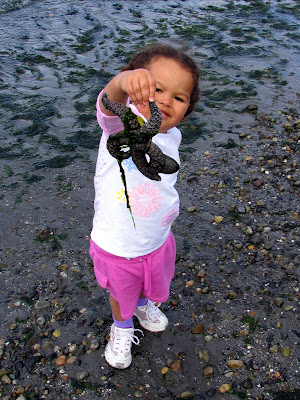
Two favorite memories arise with young Lillie. The first is walking Golden Gardens Park, checking what the tide left, poking through the seaweed bracken for treasures, and finding a starfish, which we helped relocate to the water. The second is the Fremont Troll: an ENORMOUS sculpture under the highway bridge, holding a VW Beetle in one massive hand. You can climb all over it. Lillie felt a little like a friendly Lilliputian exploring Gulliver. (Yes, we had read Gulliver's Travels. See: before you go.)

As an older teen, she visited my brother, who lives there. They had quite a different experience than she remembered from her childhood. The Space Needle, Chihuly glass, the Museum of Modern Culture, an Underground Tour, and So. Much. Delicious. Food (and boba!). This time, she was overflowing with quite different stories than before, matching where she was and her current interests.
What kids learn
Beach ecology, hands-on. The role of an Asian market (actually, a whole district, history, people!) in a city's cultural fabric. Public art as joy (the Troll is FUNNY, which is half its art-history point). Art, science, community, culture. Pacific Northwest food and the salt-and-cedar smell of the tides of a working coast. And the lesson that the silliest novelty store in America, Archie McPhee, can be a class in design and small-business creativity if you look at it the right way. (Also: get on their email list! You will never have to scour the internet for the perfect gift again.)
7. Paris, France (the city we learned together at home)
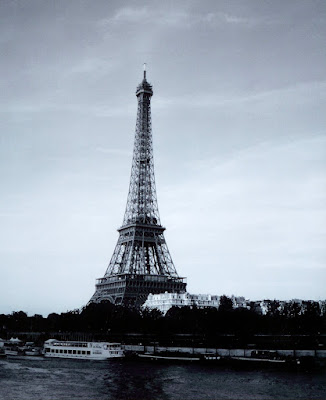
Truth: Our family has not yet been to Paris together. We will go! We have been planning it for years. But while the trip waits, the learning has not. As one of my favorite cities, Paris has lived in our house for as long as Lillie has been reading, cooking, designing clothes, watching films, and listening to French. This section is for every family who loves a place they have not visited yet, and who wants to know what to do with that love in the meantime.
Before you go
Read Madeline. Read Crepes by Suzette (it has inspired countless crepes we still make together to this day, sweet and savory, dinner and breakfast. Read and admire Paris Shopfronts and our other favorite books about Paris. Watch Ratatouille and Amélie. Take the Louvre's and the Musée d'Orsay's free virtual tours; both are excellent. Learn some basic phrases (bonjour, merci, s'il vous plaît, l'addition, the most important phrase in any French meal). Read up on Notre Dame and its remarkable restoration (and read The Hunchback of Notre Dame – or at the very least, watch the Disney movie). Make a plan with Paris Greeters, the local-guide organization I love, so that when you do go, you know to how to walk with a local. Research the types of treats available at patisseries, the best bookstores, markets, the global food extravaganza that Paris offers, and, if your kid is a fashionista, the City of Fashion and Design, as well as locations of Free’p’star, a chain of retro thrift clothing shops that will delight them. Disneyland Paris? Check.
The story
This is the moment I knew our at-home preparation had truly meant something: in one of Lillie's gymnastics classes, the teacher asked each kid where they would most want to go. Most kids answered something local or food-based (McDonald's! Lake Michigan!). Lillie said, "Paris," and then listed the many whys. I sure love this kid! (And: this is what preparing kids before they travel actually looks like. It plants a love of place, people, culture. The trip is still coming; the love is already there.)
What kids learn
That preparing for a trip IS part of the trip. Discovering authentic Paris. The discipline of taste comparison (which croissant is the best, and why). A second language as a way into another way of thinking. Art history as a living thing, instead of a textbook chapter. The cathedral pilgrimage and what it has meant to centuries of travelers, art lovers, literature fiends. The neighborhood scale of a great city. Traveling on a budget in Paris. And the patience that family travel sometimes requires: some trips you take in your living room first.
8. Washington, DC
DC is the cheapest civic education in America! Free Smithsonian museums (the plural is the point). The Capitol. The Mall as a single-day classroom. This is one of our most beloved cities. I will let Ed take this one. He and Lillie explored DC while I was at a conference at the White House, and his memories are the ones you'll read here.
Before you go
Take the Smithsonian's virtual tours. Air and Space, Natural History, American History, the African American Museum of History and Culture...all of them. Watch "I'm Just a Bill" on YouTube before the Capitol tour (the Schoolhouse Rock version, please. IYKYK). Read age-appropriate kids' books on the Civil War, the Constitution, and (if your child is old enough) the Holocaust. Talk about the founding of the city, the mosquitoes from that swamp, and why the location was chosen. Memorize the National Mall layout so the kids understand where they are walking. Read about the Metro system, which is its own piece of mid-century civic design.

Dupont Circle Metro Station, South Exit Escalators. Wikimedia Commons: APK
The story (from Ed)
Washington, DC surprised me in ways I did not expect. At the United States Holocaust Memorial Museum, the candle vigil and the room filled with victims' shoes stopped me cold. The sight was powerful, but the smell (leather, age, dust) made the history feel almost unbearably real. Lillie and I looked at each other with something that was a mix between horror and compassion. It was one of the most teachable moments I’ve had when she was growing up. We still talk about it to this day – the solemnity of the museum, the lone guard in the shoe room, the echoes of the past seeming louder than our own footsteps.
Even the Metro became memorable. My first long ride down the Dupont Circle escalator felt like descending into the city itself, an experience of its own. I don’t know who was more uneasy – Lillie or I, but we held hands the entire way down (safety in numbers?). Did you know that there are two sets of escalators? The North Entrance ones are 188 feet long (!). The South Entrance ones are a mere 170 feet long.
Inside the Capitol, I was struck by how the rooms that seem so grand on television felt smaller and more human in person. It was a stark reminder that enormous decisions are still made in actual rooms by actual people. We were also reminded of the kindness of strangers. Lillie had to use a wheelchair because of a foot injury that morning. From the initial check-in (and acquiring the wheelchair) to the compassionate guides to the other guests on our tour, kindness was the guiding force. I’ve not experienced anything like it. A group of strangers came together to truly care for a child, and her learning.
What kids learn
The actual mechanics of civics in person, which is the only way some lessons stick. The weight of historical memory, and how museum design can be a form of teaching. That a city can be a curriculum, if you walk it slowly. And, as a parent, I was reminded that some of the most lasting moments of a trip will be the ones you did not plan to be moved by. Shoes mean something. Dupont Circle offers just an escalator until you ride it.

Dupont Circle Metro Station, South Exit Escalators. Wikimedia Commons: Kernpanik
9. Michigan's Sunset Coast
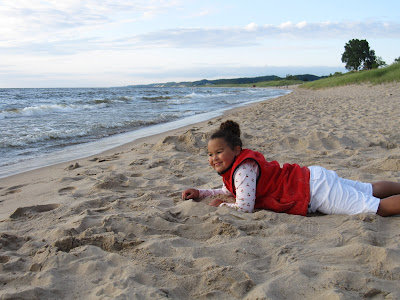
A reminder for the families who have not yet planned the international trip, or who already took it and need a closer one: family travel does not have to mean far. Michigan's Sunset Coast is the western shore of Lake Michigan, from Union Pier up through St. Joe, South Haven, Saugatuck, Holland, Grand Haven, Muskegon, Ludington, Manistee, and on to Traverse City, all the way up to the Mighty Mac Bridge (you can continue exploring along Lake Michigan and Lake Superior in the Upper Peninsula, known as the U.P.).

It is one of America's great family destinations and almost nobody outside the Midwest writes about it. It's especially perfect for kids. Here you go...
Before you go
Read about Great Lakes ecology (the lakes hold about twenty percent of the world's surface fresh water, which is the kind of fact that gets a kid's attention) and the countless shipwrecks – these lakes are no joke. Discover the Underground Railroad in Michigan; we have rich and compassionate history here. Learn about the sand dunes: how they were formed, why they are moving, what lives in them, why the coast is such a fruit belt because of that sand. Read the indigenous legend of Sleeping Bear. If your kid is a rockhound, have them research what rocks are found where, and plan to hit those beaches (join the Michigan Rockhounds Facebook group for inspiration and advice). Learn the names of all five Great Lakes (HOMES: Huron, Ontario, Michigan, Erie, Superior). If you are visiting Holland in May, don't miss the Tulip Time festival.
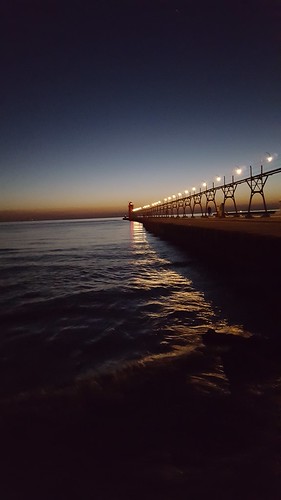
Pack good walking shoes for the beaches and dunes (not flip-flops, please). Map out your beaches and lighthouses, any attractions or museums you want to visit along the way, and plan time for serendipity.
Michigan’s sunset coast is one VERY long beach.

The story
The big one is Sleeping Bear Dunes National Lakeshore. Ed, Lillie, and my parents huffed it up the ENORMOUS sand dune from the parking lot and then overland to the edge, where you can see Lake Michigan more clearly. (Everyone is warned not to climb down to the water. Park rescues from the dune face are expensive and dangerous. This is the public service announcement portion of the article.) The vistas were immense, and also small and focused: one step at a time up a seemingly endless sand dune. They came down, hot, sweaty, and absolutely elated at having conquered the summit! Next stop, swimming.

Other beaches have their own charms, lighthouses, and fun things to do (here’s our top ten!) In St. Joe, play on the splash pad near the beach, or ride Silver Beach Carousel next door. In South Haven, you can visit the Michigan Maritime Museum and schedule a trip on a tall ship for a sunset cruise! In Arcadia, climb the stairs for an incredible view at the lookout (pic below). In Empire, make a stop at Grocer’s Daughter for our favorite homemade chocolate popsicles (well, and a million more chocolate favorites, truly. Stock up for your road trip). In Traverse City, the Dennos Museum and the Great Lakes Children’s Museum are worth visiting (as is Moomers ice cream).

What kids learn
Great Lakes geography and ecology - the geological reality of dunes (they are not the same as ocean dunes, and yes, they move), and the variable waves on such a large body of water. Local indigenous and immigrant history. The Midwest's quiet, undersold beauty. Art, culture, excellent food, lighthouses galore. And the very specific lesson that some summits are worth the climb, even when the summit is a sand dune in your home state.

What family travel actually teaches
The destinations on this list cross continents, countries, and price points. They include trips we have taken many times and one trip we still have not taken together yet. What ties them together is the way we always approach a trip: read first, cook first, watch first, talk first, learn first, then go. Or in the case of Paris: read, cook, watch, talk, and then keep doing all of that until the trip arrives.
The destinations are significant. The preparation matters as much. Where you stay is important. And the moment you watch your kid get lost in learning (at the Bean, at Bunratty, at the Colossal Statue of Tutankhamun, at the picture window of a house on Loch Ness) is the moment you understand what family travel is actually for. It is not for the photos (although they are important).
It is for the kid you are raising and the family you are becoming while you raise her.

Where is your family going next? And, just as importantly, what are you reading, cooking, watching, and learning together at home before you go?
I would love to hear!
Further educational family travel resources I've written here on Wandering Educators:
History Tours Worth Taking: An Educator's Guide to Traveling Through the Past
Educational Family Trips: How to Raise Kids Who Love to Learn While Traveling
10 Ways to Raise an Intercultural Child
The Importance of International Experiences
Why We Love Traveling with our Daughter
Cultural Travel: A Guide to Trips That Teach
Cultural Immersion Travel: A Guide to Being Welcomed In
Creating Meaningful and Lasting Memories during Trips with Your Kids
Historic Walking Tours: How to Find (and Savor) the Best in Any City
Dr. Jessie Voigts is the founder and publisher of Wandering Educators. She holds a PhD in international education, has lived and worked in Japan and London, directed the London summer study abroad program at a Big Ten university, and has been writing about and publishing family, cultural, and educational travel for over twenty years. She still makes Suzette's crepes most weekends.
Find her online via Instagram, Facebook, or LinkedIn.
All photos copyright Wandering Educators, except where noted.