
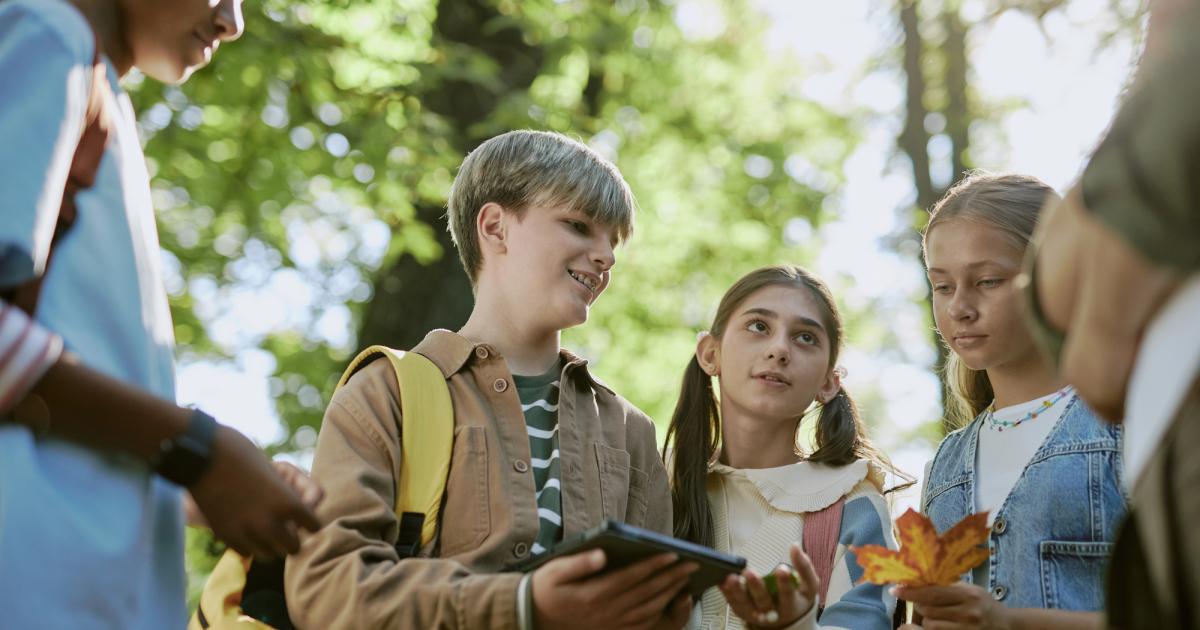

Some lessons are easier to understand when students can experience them firsthand. Visiting a museum, exploring a historic neighborhood, or observing wildlife in its natural habitat can make subjects feel much more relevant than they do inside a classroom.
That's what makes educational travel so valuable.
Field trips give students opportunities to ask questions, make observations, and connect what they've learned with the world around them. However, organizing a successful educational experience also requires planning, especially when students are visiting unfamiliar locations.
Fortunately, a few practical gadgets can make field trips more organized, interactive, and memorable.
From simple recording devices to digital learning tools, here are some useful technologies that can support educational travel without distracting from the experience itself.

1. Smartphones and Tablets for Interactive Learning
Smartphones and tablets can be useful learning tools when they're used with a clear educational purpose.
During a museum visit, students might use a tablet to research an exhibit, take notes, or complete a digital worksheet.
On a geography field trip, a smartphone can help students identify landmarks, study maps, or record observations about the surrounding environment.
Many educational attractions also provide digital guides and interactive activities that visitors can access through their devices.
Teachers can make these tools more effective by preparing assignments before the trip.
For example, students might be asked to identify three architectural features, photograph examples of different plant species, or record information about a historical site.
These activities encourage active participation instead of passive sightseeing.
However, it's worth setting expectations about screen time. Technology should support exploration, not replace it.
2. Portable Chargers and Power Banks
A dead battery can be inconvenient during an ordinary trip. During an educational excursion, it can interrupt access to maps, digital tickets, emergency contacts, and learning materials.
Portable power banks offer a straightforward solution.
They're especially useful during full-day excursions, outdoor activities, and longer educational journeys where charging outlets may not be available.
Teachers and group leaders can carry backup chargers for essential devices.
For students, it's also helpful to establish simple guidelines about charging devices before leaving and conserving battery life throughout the day.
If the trip includes international travel, remember to check airline requirements for carrying power banks.
3. Wearable Cameras for First-Person Learning Experiences
Photos and videos can help students remember what they've learned long after a field trip has ended.
However, stopping every few minutes to take pictures can sometimes interrupt activities, especially during walking tours, demonstrations, or outdoor exploration.
Wearable cameras provide an alternative way to document experiences.
For example, camera glasses for recording can capture short videos from a first-person perspective, allowing educators to document demonstrations, guided activities, or parts of an educational journey while keeping their hands free.
A geography teacher might record a short walking tour to revisit in class. An educator leading a nature activity could document observations along a trail, while a museum visitor might capture permitted footage to support a later presentation.
First-person videos can be especially helpful when students are asked to reflect on what they noticed during an activity.
Of course, recording technology must be used responsibly. Schools should follow their student privacy policies, obtain appropriate permissions, and respect restrictions at museums and other destinations.
Recording should also be supervised and never interfere with student safety or learning.
4. Digital Microscopes for Outdoor Exploration
Field trips focused on biology, ecology, or environmental science often involve observing details that are difficult to see with the naked eye.
Portable digital microscopes can make these activities more engaging.
Depending on the device, students may be able to examine leaf textures, insects, soil samples, or other small natural objects and view magnified images on a connected screen.
This can lead to interesting discussions about ecosystems, biodiversity, and the differences between natural materials.
Teachers can build simple activities around these observations of nature.
For instance, students might compare leaves from different trees or study the surface of rocks collected where permitted.
Portable microscopes are particularly useful because they help connect classroom science lessons with real-world discoveries.
5. GPS Devices and Offline Maps
Finding your way around an unfamiliar destination is an important part of educational travel.
Although smartphones provide convenient navigation, mobile internet access isn't always reliable.
Offline maps can be valuable during excursions to rural areas, national parks, or international destinations where connectivity may be limited.
Before departure, group leaders can download relevant maps, identify meeting points, and save important addresses.
Dedicated GPS devices may also be useful for outdoor educational activities such as hiking, environmental research, or basic navigation exercises.
For older students, map-based assignments can introduce practical geography skills.
They might identify landmarks, compare routes, or learn how to interpret geographic information.
It's a simple way to make navigation part of the learning experience.

6. Portable Audio Recorders for Interviews and Language Learning
Educational travel isn't only about observing places. It's also about understanding the people and communities connected to them.
Portable audio recorders can help students document interviews, collect oral histories, or reflect on their experiences.
For example, during a cultural exchange program, students might interview local residents about traditional customs, community history, or everyday life.
Language students can also use recordings to practice listening comprehension and review conversations after a trip.
Even a smartphone's voice recording application can serve this purpose.
The most important consideration is obtaining permission before recording anyone.
Teachers can also encourage students to prepare thoughtful questions in advance, helping them develop communication and research skills.
7. Binoculars for Nature and Wildlife Observation
Not every useful educational gadget needs to be digital.
Binoculars remain an excellent tool for outdoor learning, particularly during visits to nature reserves, wetlands, and national parks.
They allow students to observe birds and other wildlife from a distance without disturbing animals.
For younger students, lightweight binoculars designed for smaller hands can make outdoor exploration easier.
Educators can turn observation into a structured activity by asking students to record the colors, shapes, behavior, and habitats of animals they encounter.
These exercises support attention to detail and encourage curiosity about the natural world.
Remember to explain safe handling, including never looking directly at the sun through binoculars.
8. Digital Journals for Recording Discoveries
One of the most meaningful parts of educational travel happens after the trip, when students begin thinking about what they experienced.
Digital journals can help organize these reflections.
Students can combine written observations, photographs, short videos, and sketches into a record of their journey.
A journal might include questions such as:
• What was the most interesting thing you learned today?
• Which place surprised you the most?
• Did anything challenge something you previously believed?
• What would you like to research further?
Teachers can also use digital journals as the foundation for classroom presentations, collaborative projects, or creative assignments.
For students who prefer writing by hand, traditional notebooks work just as well.
The important thing is encouraging meaningful reflection rather than collecting information without a purpose.

Choosing the Right Technology for Your Field Trip
With so many devices available, it's tempting to bring more equipment than necessary.
However, the best educational tools are the ones that directly support the goals of the trip.
Before selecting any gadget, consider the students' ages, the activities planned, the destination's rules, and the learning outcomes you want to achieve.
A nature excursion may benefit from binoculars and digital microscopes, while a history-focused trip might call for audio recorders, cameras, and digital journals.
It's also important to consider accessibility, device availability, and whether students can participate equally without owning expensive technology.
Whenever possible, schools should provide shared equipment or offer alternative activities.
Make Technology Part of the Learning Experience
Educational travel creates opportunities for learning that can be difficult to reproduce in a classroom.
Technology can help students document discoveries, explore unfamiliar places, and revisit important lessons after returning home.
But the devices themselves shouldn't become the focus of the experience.
A successful field trip is one where students feel curious, engaged, and encouraged to explore.
Whether they're observing wildlife through binoculars, recording an interview, or creating a digital travel journal, the goal remains the same: helping them understand the world through direct experience.
The best educational gadgets don't replace discovery. They give students new ways to experience it, remember it, and share what they've learned.