
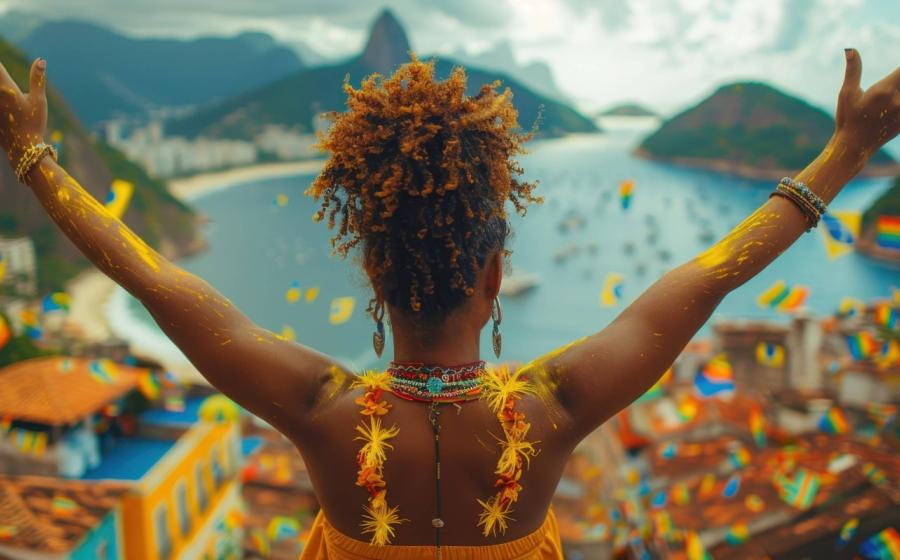

For many travelers, the mental image of Brazil is a vivid montage of Rio’s Carnival, the thundering cascades of Iguazú, and the sprawling green canopy of the Amazon. Yet, as we move through 2026, the essence of Brazilian travel is shifting.
Recreation is no longer just about "seeing" sights, it is about "participating" in the preservation and celebration of one of the world’s most biodiverse and culturally rich nations. For the modern wandering educator or the conscious explorer, the journey into the heart of South America now demands a blend of logistical preparation and ethical intentionality.

Navigating the New Logistics of Discovery
The first step in any meaningful recreational journey is ensuring the transition from home to destination is seamless. As of 2025, Brazil reinstated visa requirements for citizens of several countries, including the United States, Canada, and Australia. This shift is part of a broader effort to modernize border management while ensuring that tourism remains a structured contributor to the national economy. Before booking a remote ecolodge or a surfing retreat in Florianópolis, travelers must familiarize themselves with the updated Brazil travel requirements to secure their e-visa.
This digital-first approach mirrors Brazil’s internal shift toward a "Smart Tourism" model. By streamlining the entry process, the government allows visitors to spend less time on paperwork and more time engaging with the country's diverse recreational offerings.
Whether you are planning a research trip into the Cerrado or a month-long immersion in a coastal quilombola community, having your documentation in order is the foundation of a stress-free expedition.

The Rise of Slow Travel and Ecotourism
In recent years, the recreational landscape of Brazil has expanded far beyond the traditional "sun and beach" model. One of the most exciting developments is the launch of the Amazon Atlantic Trail, which became the longest marked trail in Latin America in late 2025.
Spanning over 460 kilometers through the state of Pará, this trail represents the pinnacle of sustainable recreation. It integrates 17 municipalities, offering hikers and cyclists a chance to traverse mangroves, rainforests, and historical sites while supporting traditional communities.
This move toward "Slow Travel" is a recurring theme among those who seek to learn from their journeys. As explored in various discussions on educational travel and cultural exchanges, the most impactful trips are those that allow for deep dives into local life. In Brazil, this might mean staying at an artesanato (craft) workshop in the Northeast or volunteering with reforestation projects in the Atlantic Forest.
The Social Impact of Digital Nomadism
Brazil has also become a premier hub for digital nomads, particularly after the government clarified the rules for its specific Digital Nomad Visa in late 2025. This has created a new class of "recreational residents", travelers who work remotely while spending months exploring the intricacies of Brazilian society.
From the tech-heavy coworking spaces of São Paulo to the surf-side cafes of "Floripa," these long-term visitors are altering the social fabric of tourist hubs. However, this trend comes with a responsibility to avoid the pitfalls of gentrification. The most respected travelers are those who prioritize locally owned guesthouses (pousadas) and engage in community-led tours. According to the IMD World Digital Competitiveness Ranking, Brazil’s increasing digital infrastructure is making this lifestyle more accessible, but the human element remains the true draw.

Protecting the "Island of the Gods" and Beyond
Even in iconic destinations like Fernando de Noronha, the philosophy of recreation has changed. Known as Brazil's most protected island chain, it enforces strict visitor caps and environmental preservation fees. This "controlled tourism" ensures that the marine sanctuary (home to spinner dolphins and sea turtles) remains pristine. It serves as a global case study for how high-demand destinations can maintain their ecological integrity by prioritizing quality over quantity.
The U.S. Department of State’s travel guidance often emphasizes the importance of understanding local laws and health regulations, which is especially vital when venturing into remote recreational areas like the Pantanal wetlands. Travelers are encouraged to use licensed local guides, not only for safety but to ensure that their tourism dollars stay within the communities that act as the primary guardians of these biomes.

A Purposeful Path Forward
Recreation in Brazil today is a tapestry of high-tech convenience and low-impact exploration. By handling the necessary administrative tasks, like understanding the latest entry rules well in advance, travelers can arrive with a clear mind, ready to contribute to the country's vibrant future. Whether you are trekking the dunes of Lençóis Maranhenses or studying the Afro-Brazilian heritage of Salvador, the goal is to leave a positive footprint.
Brazil in 2026 is a destination that asks its visitors to be more than just spectators. It invites us to be students of its landscapes and partners in its preservation.
