

May
25
/ 2026
How to actually get beyond the tourist trail - six ways to experience cultural immersion

How to actually get beyond the tourist trail - six ways to experience cultural immersion


He didn’t expect the lesson to arrive in a crowded Lisbon tram. It started with a missed stop, a misread expression, and the slow realization that communication had nothing to do with perfect grammar. The moment stayed with him longer than any lecture hall discussion. Cultural immersion, messy and unstructured, tends to teach in fragments rather than chapters. Yet those fragments often reshape the way people think, listen, and adapt — skills schools struggle to replicate within fixed curricula.
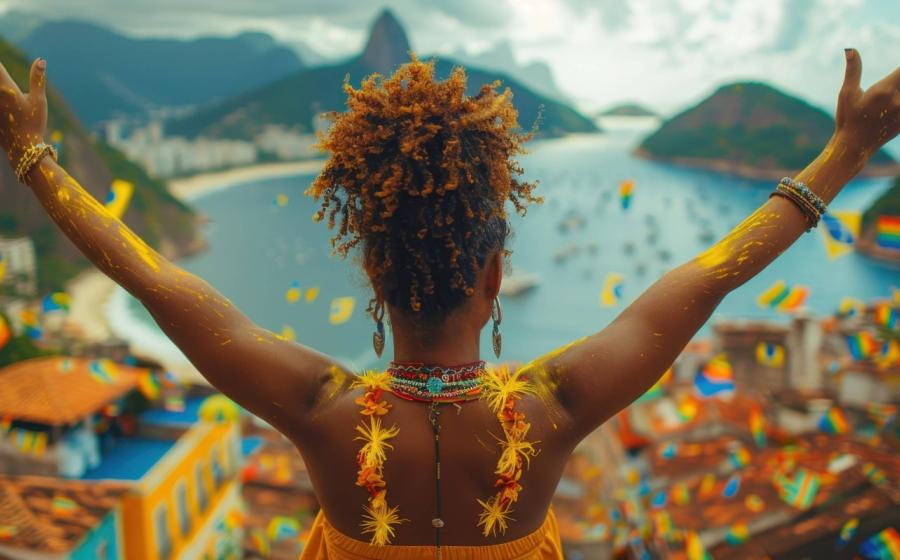
For many travelers, the mental image of Brazil is a vivid montage of Rio’s Carnival, the thundering cascades of Iguazú, and the sprawling green canopy of the Amazon. Yet, as we move through 2026, the essence of Brazilian travel is shifting.

You might think that learning is confined to textbooks and lectures, but cultural immersion offers a richer, more nuanced experience. By stepping into different communities and cultures, you confront your own biases and expand your worldview in ways that traditional education simply can't match. This engagement not only enhances empathy but also cultivates essential communication skills necessary for today's interconnected society.
Learning a new language is a rewarding experience that opens doors to new cultures, perspectives, and opportunities. While there are many ways to study a language, immersing yourself in the environment where it is spoken is one of the most effective methods. For those eager to learn Spanish, there's no better place to do so than Spain. This vibrant country offers not only a chance to master the language but also to experience its rich culture, history, and traditions firsthand.