
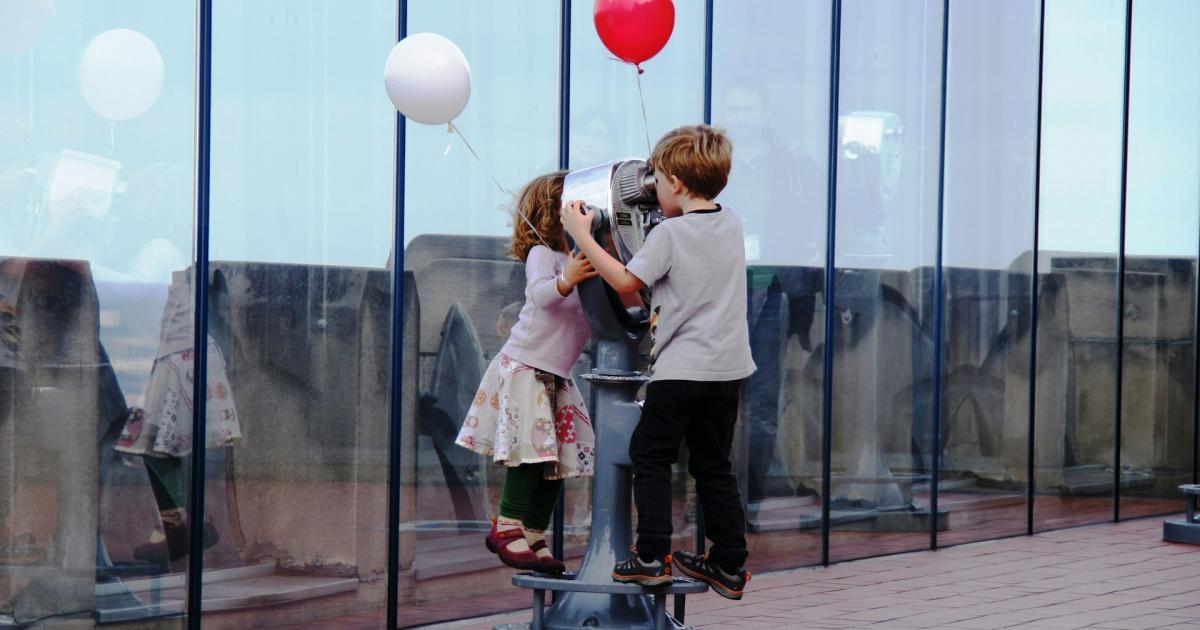

A big family trip can teach more in two weeks than a semester of worksheets. Historic sites, museums, national parks, cultural landmarks, another country entirely: kids learn things standing in front of the real object that no textbook photo delivers. Curiosity gets lit in ways a classroom cannot always manage.
Then you look at the numbers.
Airfare. Hotel rooms. Admission fees. Meals. Subway cards, and the guided tour that costs extra. It adds up fast, and that sticker shock is what stops most families before they start.
But a trip planned twelve or eighteen months out is completely different from a trip planned in March for June. Time is the single biggest discount available to families, and it is free.
Here is how to build toward one.

Start with the learning, not the destination
Most families pick a place first and work backward. Flip it. Ask what your kids actually want to understand and where to explore, then let the answer choose the map. It is so much fun to raise kids who love to learn while traveling!
A history-focused trip in the US points toward Washington, DC, Philadelphia, and Boston. Geology and wildlife point toward the national parks (oh, the national parks). Marine science points toward the coasts. International travel adds language, currency, food, and the small daily strangeness of doing ordinary things a different way, which is its own curriculum.
That is not the whole list, obviously. There is history galore in Santa Fe, in Charleston, in Detroit. But naming the learning goal first does something useful: it narrows forty possible destinations down to three or four, and only then can you compare real numbers. Flights to Boston versus flights to Bozeman. Five nights versus nine. The comparison works once the list is short.
Tip: Write the learning goal on a sticky note and put it on the fridge. Every spending decision for the next year gets measured against it.
Build a separate fund for the trip
Give the trip its own financial space. When travel money sits in the household checking account, it quietly ends up funding the water heater instead.
There are several ways to do this, and the right one depends on how you plan to use the money. Consider whether you want the balance earning interest, how often you will move money in, and how fast you need access when a fare drops and you have four hours to book. Many families choose an online high-interest savings account so the money keeps growing while staying separate from everyday spending, and still reachable when it is time to make reservations.
Then feed it from more than one direction:
• Tax refunds. The fastest single way to move a travel fund forward.
• Occasion money. Grandparents who ask what the kids want for birthdays now have an answer.
• Side income and decluttering. The bikes nobody rides. The camera nobody uses.
• Temporary trims. One streaming service and one takeout night a week, paused for a year, is real money.
Watching one number grow, instead of guessing at four scattered ones, tells you exactly where you stand when it is time to book. It's a safe feeling to know you've worked hard and can afford it!
Estimate the full cost, including what everyone forgets
Flights and hotel rates are the first numbers we all run. They are not the whole cost, and the gap between them and the real total is where family budgets break.
Driving? Gas, tolls, and parking. Hotel parking in a major city can run $40 to $60 a night, which is a line item, not a rounding error. Flying? Bags, seat selection, the ride from the airport, the ride back.
Meals are the sneakiest of all. A family of four eating three restaurant meals a day for a week is often the second-largest number on the entire trip, sometimes larger than lodging. A hotel with free breakfast erases a third of that before you leave the lobby. A room with a fridge and a microwave erases more. A home or apartment rental means you shop locally, at eat at home while exploring new ingredients and cuisines.
Then the small ones: checked-bag fees, laundry, the audio guide, the timed-entry ticket you did not know was separate, and souvenirs. There will be souvenirs.
Build the estimate line by line for every day of the trip, then add 10 to 15 percent on top. Budget high. Coming in under is a very good day.

Let the kids do the planning
An educational trip starts long before anyone gets in the car. The research is the first lesson, and it is often the one that sticks.
Give each kid a job scaled to their age. A six-year-old can choose between two museums. A ten-year-old can look up admission prices and build a chart. A fourteen-year-old can compare driving to flying, price out three hotels in three different neighborhoods, draft the day-by-day itinerary, and then defend those choices at dinner.
This is where money conversations get real, and painless. Why this hotel and not that one. How two free afternoons pay for one expensive tour. What “per person” means when you are four people. Kids who have run those numbers themselves arrive at the destination already invested (and noticeably less likely to complain about the walking).

Add value without adding cost
Free is not lesser. Some of the best hours of any trip cost nothing at all.
Look for: free-admission days and evenings at major museums, public walking tours, city and state parks, historic neighborhoods, university museums and campus tours, public libraries with local-history rooms, and community festivals. Many cities publish a free-things-to-do calendar. Check it before you fix the itinerary, not after (although leave time for serendipity!).
Then look for discounts on the rest: city passes (worth it only if you will genuinely use three or more of the included sites), student and family rates, and combination tickets. Reciprocal memberships are the most underused deal in family travel. A membership at your home science center or zoo often admits your whole family free at hundreds of others across the country. Check yours before you buy a single ticket.
And leave unscheduled time. Wandering a neighborhood, shopping at a local market, chatting with the person who made the thing you just bought: these are the hours kids describe years later, and they cost roughly what you would have spent on lunch anyway.
Prepare for the unexpected
Flights get delayed. Kids get sick. A museum closes for a private event on the one afternoon you had it scheduled.
Carry a cushion. A separate few hundred dollars covers an unplanned meal, a different way across town, or a night you did not expect to pay for. Without it, one disruption turns into a decision about which part of the trip to cancel.
For expensive trips with a lot of nonrefundable money committed (international airfare, prepaid tours, a rental booked months out), price travel insurance. Read what it actually covers before you buy. The cheapest policy and the useful policy are frequently not the same policy.
And when the delay arrives anyway, spend it well. A three-hour gate wait is three hours in a new city. Walk the terminal, find the local food stand instead of the chain, ask someone what is worth seeing on the other side of the airport. The trip does not pause just because the schedule did.
The planning is part of the education
Here is what surprises families most: the saving is the lesson.
A year of watching a number grow toward a goal teaches patience, tradeoffs, research, and delayed gratification far better than any allowance system. Kids who helped decide that skipping one thing bought another thing understand something about money that is very difficult to teach any other way.
The trip is worth it. So is every bit of what happens before it.

Where would your family head, and what do you want them to learn while you are there?