


Plant science is often associated with quiet greenhouses, research laboratories, and botanical nurseries. However, the living world cannot be fully understood through textbooks alone.
For a dedicated horticulturist, stepping outside regional boundaries and exploring global ecosystems is one of the most effective ways to broaden technical knowledge, refine practical techniques, and build deep cultural awareness. Plants shape human culture, architecture, agriculture, trade routes, and history, making world travel an essential tool for ongoing professional development.
When plant specialists explore diverse microclimates, ancestral farming techniques, and historical botanical collections across continents, they gain insights that isolated study cannot offer. Seeing how flora responds to varying soil chemistry, elevation changes, and weather patterns expands a grower's intuitive understanding of nature. In this guide, we will explore how hands-on exploration enriches professional training, expands observational techniques, and transforms passionate plant enthusiasts into well-rounded industry leaders.

What Does a Horticulturist Do and Why Travel Matters
To understand why journeying across regions is so impactful, it helps first to define the role of a modern horticulturist. Unlike general botanists who focus primarily on plant biology and classification, horticultural specialists work directly with the cultivation, management, propagation, and artistic display of plants for human use, aesthetic beauty, environmental sustainability, and therapeutic enjoyment.
Because climate zones, soil compositions, water availability, and pest pressures vary dramatically around the globe, seeing how plants adapt to distinct natural environments provides invaluable real-world lessons that elevate professional practice.
• Cultivating food and ornamental crops: Specialists manage farms, orchards, commercial nurseries, and public display gardens, balancing soil health with yield quality and visual appeal.
• Designing sustainable landscapes: Professionals select plant species that thrive naturally in specific microclimates, reducing municipal water consumption and reliance on synthetic fertilizers.
• Conserving endangered plant species: Experts collect, propagate, and protect rare plants in living seed banks and conservation nurseries to prevent species extinction.
• Studying human-plant interactions: Understanding how different communities use flora for medicine, food, construction, and ritual enriches global cultural knowledge and ecological appreciation.
Integrating global exposure into a professional career ensures that a horticulturist develops intuitive problem-solving abilities that adapt seamlessly across different soil structures, urban settings, and rural environments.
Horticulturist Education: Formal Paths vs. Learning on the Road
Pursuing a comprehensive horticulturist education traditionally involves earning degrees in plant science, agronomy, landscape architecture, or soil chemistry. While classroom instruction provides essential foundational knowledge regarding plant physiology, genetics, tissue culture, and pathology, practical field experience transforms theory into usable expertise.
Combining academic rigor with hands-on travel creates a balanced educational path that prepares growers to face real-world agricultural and ecological challenges.
• Understanding textbook biology in living ecosystems: Observing how plant diseases and insect infestations manifest in varied outdoor microclimates deepens academic understanding far beyond laboratory slides.
• Learning ancient cultivation techniques: Visiting traditional agricultural terraces and indigenous farming communities reveals sustainable soil management practices passed down over centuries.
• Analyzing diverse soil structures: Hands-on soil testing across volcanic, clay, sandy, and alluvial regions reveals how root systems absorb nutrients under different environmental pressures.
• Experiencing variable microclimates: Walking through cloud forests, desert valleys, and alpine meadows demonstrates how light intensity, atmospheric pressure, and air movement influence growth rates.
Balancing structured university coursework with global field exploration creates a well-rounded horticulturist education that connects theoretical science directly to practical growing success in the field.
Self-Learning in Horticulture: Field Experience and Global Gardens
While formal degrees set a strong foundation, continuous self-learning is what drives true mastery over time. Plant environments are dynamic, constantly shifting alongside climate patterns, soil microbial shifts, and invasive species introductions. Staying ahead in the industry requires persistent curiosity, keen observation, and active engagement with living collections worldwide.
When researching top-tier floral growers, modern breeding methods, and real-world commercial results, reading customer experiences and farm insights through Rosaholics reviews offers a valuable look into how high-quality rose cultivation relies on precise environmental control, disease prevention, and proper post-harvest handling.
Embracing independent exploration across global botanical gardens, private collections, and agricultural hubs accelerates self-learning in several practical ways:
• Studying specialized plant collections: Visiting renowned botanical gardens lets growers inspect curated collections of rare orchids, succulents, tropical trees, and alpine flora up close.
• Observing regional irrigation practices: Studying water management systems in arid agricultural zones teaches valuable lessons about water conservation, rainwater harvesting, and drip efficiency.
• Exchanging knowledge with local growers: Engaging with regional nursery owners, farm managers, and park curators offers unwritten, practical tips honed through years of localized trial and error.
• Documenting seasonal growth patterns: Taking detailed field notes, sketch logs, and macro photographs across different seasons builds a personal visual archive of plant behavior over time.
Prioritizing independent self-learning empowers professionals to discover innovative growing strategies, refine their propagation protocols, and bring fresh, creative ideas back to their local projects.
Plant Expert Skills: Observation, Adaptation, and Teaching
Becoming a true plant expert requires developing refined analytical abilities alongside practical hands-on skills. Beyond memorizing Latin plant names and anatomical structures, a seasoned professional must diagnose nutrient deficiencies quickly, anticipate weather stresses, manage soil biomes, and clearly communicate complex botanical concepts to everyday garden enthusiasts.
Navigating foreign landscapes sharpens a grower's core competencies by forcing them to evaluate unfamiliar plant species and growing mediums in real time.
Developing versatile horticulturist skills through international exposure directly improves daily professional performance across several areas:
• Sharpening diagnostic observation: Analyzing unfamiliar foliage discoloration, insect activity, and structural stem damage in wild habitats improves fast diagnostic accuracy at home.
• Adapting to unexpected environmental challenges: Experiencing unpredictable weather patterns abroad teaches growers how to build resilient outdoor landscapes that withstand climate shifts.
• Enhancing cross-cultural communication: Learning how different societies view, utilize, and respect native plants builds cultural sensitivity, helping consultants communicate effectively with diverse clients.
• Teaching sustainable gardening principles: Sharing personal travel stories, field data, and global botanical discoveries makes educational workshops, articles, and community lectures far more engaging.
Refining these practical horticulturist skills ensures that specialists can tackle complex landscape designs, commercial crop management issues, and client consultations with complete confidence.
Travel for Education: Learning from Botanic Gardens and Wildflowers Worldwide
Choosing to travel for education turns every personal vacation, sabbatical, and research trip into an immersive learning laboratory. From historic European botanical archives and tropical rainforest reserves to wild alpine meadows and desert oases, nature provides infinite lessons in ecological harmony, plant adaptability, and botanical beauty.
Planning educational trips around botanical hotspots allows growers to see native species thriving in their original, undisturbed habitats.
• Exploring historic European botanical gardens: Visiting centuries-old living institutions in England, Italy, and the Netherlands reveals classical landscape architecture and historical glasshouse engineering.
• Studying native wildflower populations: Walking through untouched meadows demonstrates how native plants naturally form balanced, weed-suppressing, pest-resistant communities without human intervention.
• Visiting high-tech agricultural centers: Inspecting cutting-edge hydroponic, aeroponic, and vertical greenhouse facilities in advanced agricultural regions highlights the future of controlled environment agriculture.
• Participating in international plant symposiums: Attending global botanical conferences connects travelers with international researchers, commercial breeders, plant hunters, and conservation specialists.
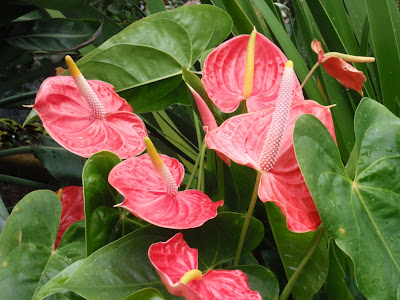
New Zealand Anthurium, or Flamingo Flower at the Wellington Botanic Gardens. Photo: Julie Royce
Embracing travel for education transforms a standard growing career into a lifelong journey of discovery, keeping your passion for nature vibrant, informed, and continuously evolving.
The ultimate value of educational travel lies in translating global observations into effective local action. Returning home with new ideas, sustainable techniques, and broader cultural perspectives enriches your local community, private landscape projects, commercial operations, and professional network.
Integrating international concepts into daily horticultural practice bridges the gap between global agricultural innovation and regional environmental application.
• Introducing climate-resilient plant varieties: Selecting hardy, non-invasive species observed in similar climate zones abroad improves local garden survival rates during droughts or frosts.
• Implementing efficient water management: Applying water-harvesting, mulching, and soil-moisture retention ideas gathered from arid regions drastically reduces local utility costs and water waste.
• Designing culturally inspired landscapes: Incorporating aesthetic elements, structural layouts, and plant choices from traditional Japanese, Mediterranean, or English cottage gardens creates unique, multi-layered outdoor spaces.
• Mentoring aspiring plant enthusiasts: Passing down travel experiences, practical tips, and ecological insights inspires the next generation of growers to pursue their own field studies and conservation efforts.
Whether you are an established plant expert or just beginning your professional path, combining continuous academic study with global field observation guarantees that your work remains grounded in ecological wisdom, cultural appreciation, and technical excellence for decades to come.