
August
03
/ 2026
Travel for Education: Horticulturist Skills, Self Learning, and Plant Expertise

Travel for Education: Horticulturist Skills, Self Learning, and Plant Expertise


With news of data breaches filling headlines and laws like the GDPR affecting companies' policies, it's wise to reexamine one's own data privacy practices. There's a lot of sketchy info on the subject doing more harm than good. This article aims to combat it by highlighting and shattering the most common privacy-related misconceptions.


Most international students treat housing as something they'll sort out once they land. That's an enormous mistake. By the time you arrive, the best options near your university are already gone, and you're left choosing between whatever's left…or paying significantly more for the same thing.


Five ways to widen our understanding of what education can be by building meaningful partnerships across every walk of life.

Boston's Beacon Hill has some of the most important sites in US history. Here's your guide to walking the Black Heritage Trail: what the trail is, the stories behind it, and how to visit well.


Some students struggle to express their ideas in a second language. Although they may understand the answer in their native tongue, the sentence translated feels strange. Vocabulary, grammar, and cultural cues can all be mastered with support, and time. Here's how.
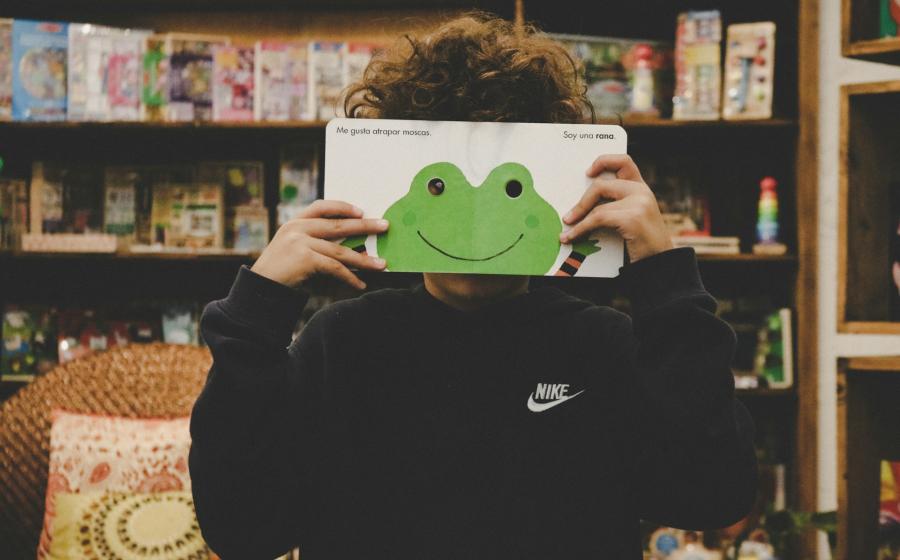

Reading comprehension difficulties are often challenging for teachers to pinpoint because they usually do not come from one single issue. However, with the right tools, instruction, and support, students can build the skills needed for stronger reading comprehension. Here's how.

You may be a teacher who splits the year between two countries. You could be a graduate student whose campus is always changing. Or you may be a parent who moves between homes in different parts of the country. For all of you, arranging a reliable, consistent source of in-person support for any number of health-related issues can be incredibly difficult to schedule.
In-person clinics are located in one location. Your life unfolds in many places. Your calendars rarely cooperate.