

Saving a post feels simple. A recipe, a thread, a product review, a travel idea, a joke worth sending later. The button is small, the action is fast, and many users treat bookmarks as a personal shelf inside a social media account.

That shelf is often more private than likes, comments, reposts, or public boards. In many social media apps, other people cannot open a user’s saved folder or see every saved item. That does not mean the saved action disappears from the company running the service.

 

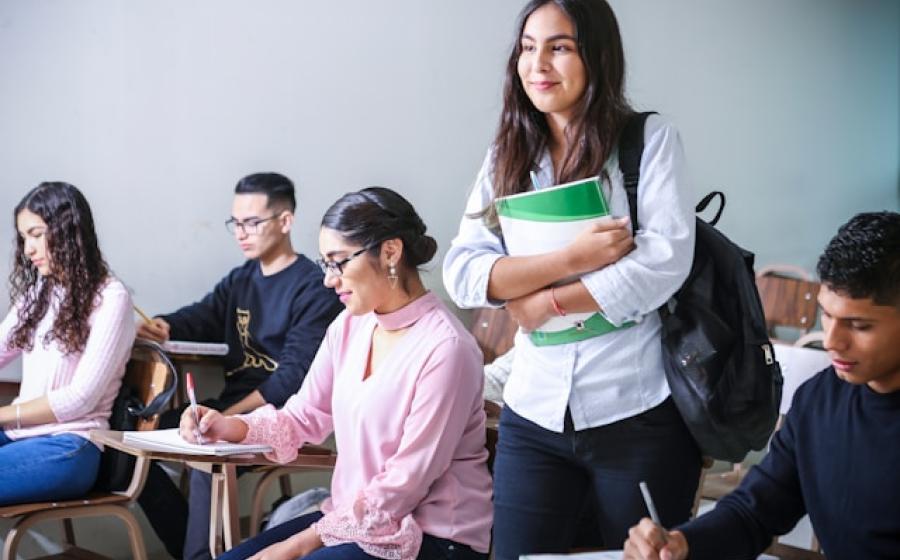
One morning while volunteering as an English teacher in Mexico, I asked my classroom a simple question:

"Who wants to be a superhero?"

Every hand shot into the air.

The children immediately began naming the superpowers they wished they had: flying, super speed, invisibility, incredible strength. Their answers got me thinking. What actually makes someone a superhero? Is it simply possessing a special ability, or is it how that ability is used?


Let’s be completely real for a second. Packing up your entire life, moving to a country you’ve only ever seen on a map, and trying to get a degree in a language that isn't your own is terrifying. It is a massive, exhausting mountain to climb. But for international students, the biggest hurdle isn't just the culture shock or the homesickness. It’s navigating this completely unspoken, incredibly rigid set of rules called academic integrity.


Living and teaching abroad is honestly one of the most enriching paths a professional educator can choose.

The thrill of navigating a bustling night market in Bangkok, the quiet joy of an espresso in a historic Roman piazza, and the incredible professional growth that comes from working within diverse global schools are completely unmatched. But beneath the inspiring stories, local friendships, and beautiful photo galleries lies a complex financial reality that many of us don't see coming.


After almost two decades of publishing Wandering Educators, I get the same question from teachers more than any other.

Where do I find an education travel adventure that is actually worth the time and money?

It is a reasonable question. Search the phrase, and you will find tour companies first, marketing copy second, and very little real guidance written by someone who has actually traveled with educators, watched what works, and seen what falls flat.

This article is your guide.


Older buildings in many parts of the world still contain asbestos-based construction materials installed decades before modern health restrictions were introduced. Travelers, expatriates, construction workers, military personnel, and international students may unknowingly encounter asbestos exposure risks in aging apartments, government buildings, schools, factories, shipyards, and historical renovation sites.

Tags