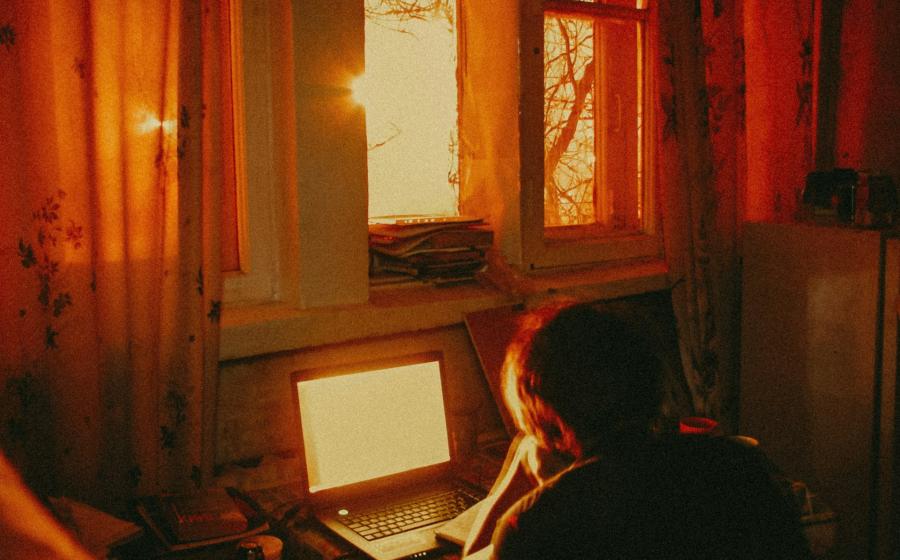

After almost two decades of publishing Wandering Educators, I can usually tell by the second paragraph whether a submission was written by a person or created by a machine.

It is rarely one big thing that stands out to me. It’s a series of smaller things, stacked up and causing unease in my brain: the rhythm, tidy paragraphs, sentences that all land at the same length, like fence posts. There is a complete absence of anything you could point at.


You may be a teacher who splits the year between two countries. You could be a graduate student whose campus is always changing. Or you may be a parent who moves between homes in different parts of the country. For all of you, arranging a reliable, consistent source of in-person support for any number of health-related issues can be incredibly difficult to schedule.

In-person clinics are located in one location. Your life unfolds in many places. Your calendars rarely cooperate.


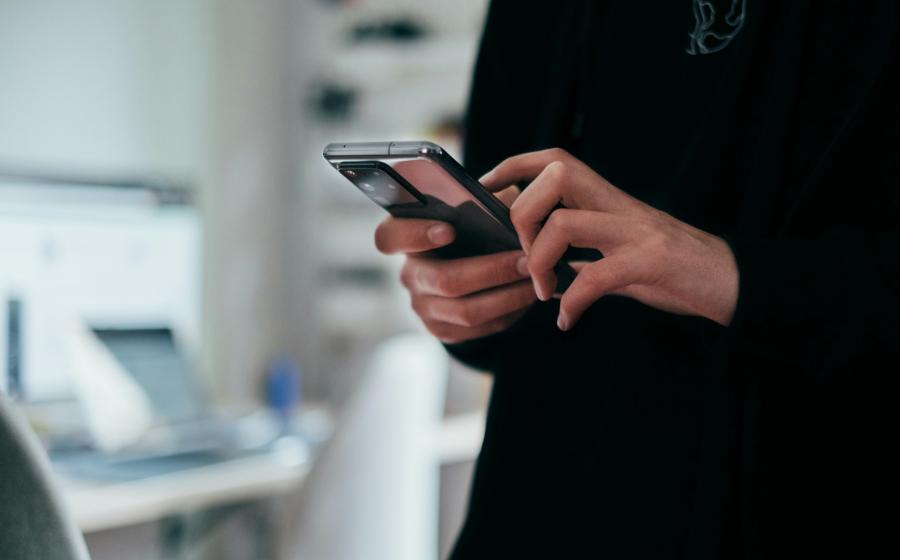
Saving a post feels simple. A recipe, a thread, a product review, a travel idea, a joke worth sending later. The button is small, the action is fast, and many users treat bookmarks as a personal shelf inside a social media account.

That shelf is often more private than likes, comments, reposts, or public boards. In many social media apps, other people cannot open a user’s saved folder or see every saved item. That does not mean the saved action disappears from the company running the service.


Continuing your education with a college course or degree could be the golden ticket to future opportunities. However, it is now relatively commonplace. So, if you’re planning to walk down this path, it’s vital that you do it in style.

It would be easy to pick the first suitable degree that you discover. In reality, the decision has a huge impact on your life to be anything less than 100% confident. Use the following questions for guidance and you’ll be ready to act with conviction.


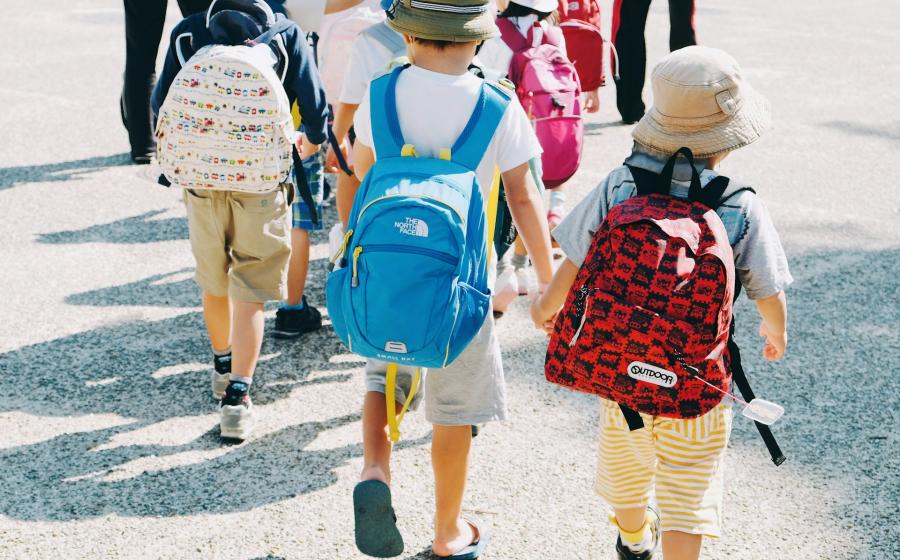
One morning while volunteering as an English teacher in Mexico, I asked my classroom a simple question:

"Who wants to be a superhero?"

Every hand shot into the air.

The children immediately began naming the superpowers they wished they had: flying, super speed, invisibility, incredible strength. Their answers got me thinking. What actually makes someone a superhero? Is it simply possessing a special ability, or is it how that ability is used?