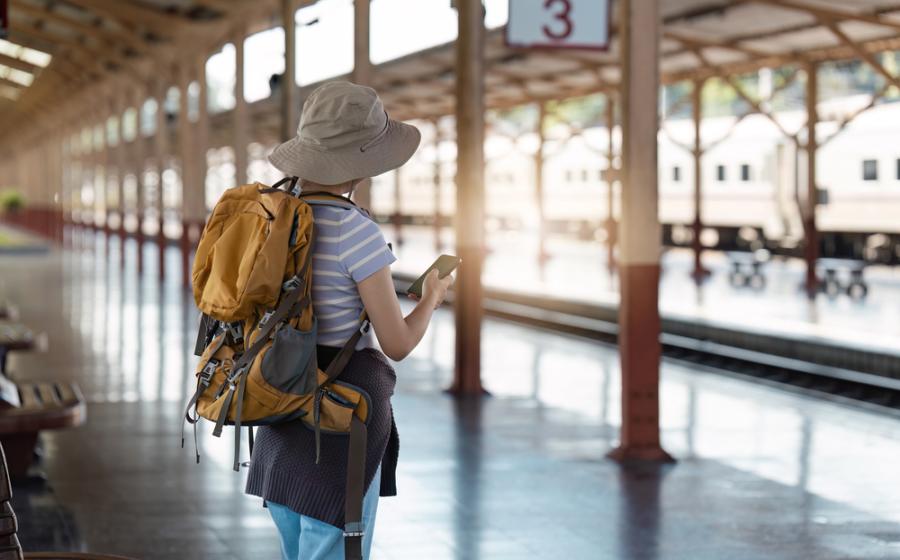


When the news of a Fulbright fellowship or a long-awaited sabbatical finally arrives, the initial excitement is usually followed by a sudden realization: the logistics of living abroad for months are a different beast entirely from a standard vacation. We’ve all seen the headlines about the rise of the digital nomad, but for educators and researchers, the goal isn’t just to work from a beach – it’s to integrate into a community, access archives, or lead a group of students through a culturally rich landscape.


When getting ready to live abroad, most of us focus on what we can fit into a suitcase, clothes for different seasons, a few familiar items from home, maybe things we think we won’t find elsewhere. Packing feels productive. It’s something you can see and control.

But in reality, the most important preparation doesn’t go into your luggage.

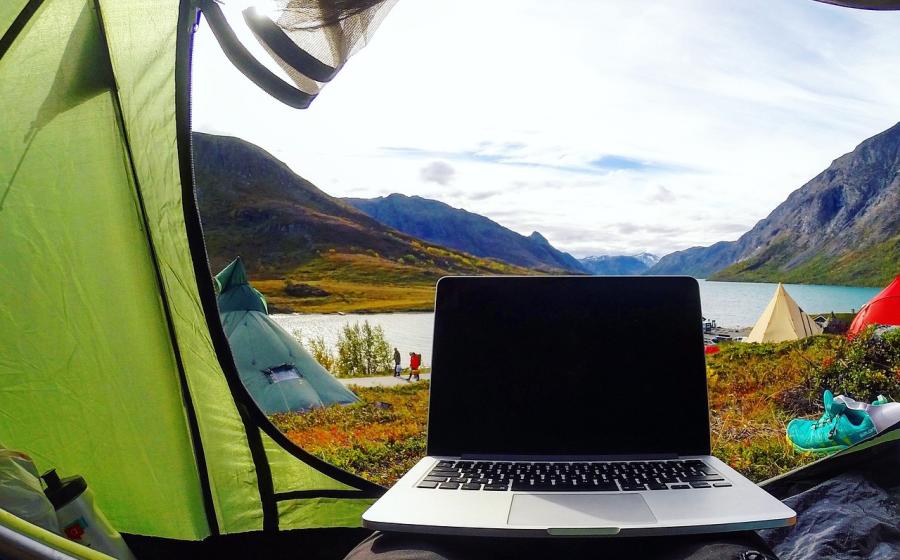
Nowadays, it’s no secret that many jobs can be done entirely remotely, a fact that has opened an incredible door for people whose dream is to travel the world. Each day, from educators to assistants, we see more and more professionals leaving the comfort of their homes or countries to live their dream of traveling the world, but many of them leave unprepared, and if their tech fails, their classroom disappears.

Why Travel Journals Work So Well In Coursework

A travel journal can be much more than a notebook full of quick impressions, photos, and dates. In coursework, it becomes a way to show how a student observes, thinks, and connects experience with academic ideas. That is what makes this format different from a standard report. It feels more personal, but it can still be serious, structured, and analytical.

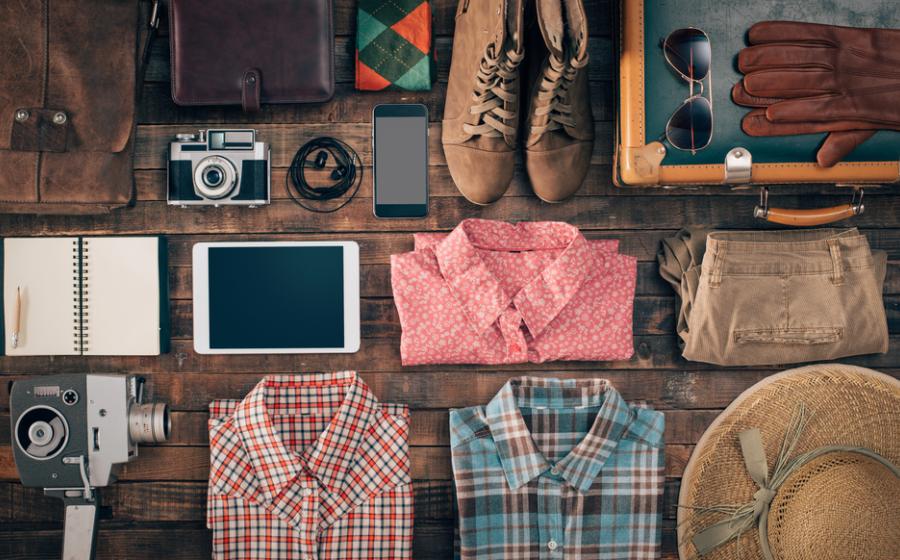
Overpacking is not about fashion, especially if you’re traveling for a holiday; it’s about fear, about not being prepared or professional. We all have been there! We start to pack just what we need, and then the “what if” starts to show up on our heads: What if there’s a formal dinner, what if it rains, or what if I spill coffee on myself before presenting? So we just add more, and more, and suddenly our suitcase weighs too much.


Traveling to another country or going abroad for studies is something most people look forward to. Everything feels exciting - new places, new food, new people. 

But there’s one thing we often ignore during all this: our personal data.

Think about it. The moment you land somewhere new, you start connecting to airport Wi-Fi, logging into apps, booking rides, checking maps, and messaging people back home. All of this happens online, and most of the time, without thinking twice about security.

The Dark Museum represents a shift in how museums are designed and consumed. Instead of passive observation, these environments prioritize controlled immersion, narrative sequencing, and measurable visitor engagement.

Unusual museums are not defined by subject matter alone. They are defined by execution, where spatial design, interpretive logic, and sensory input work together to produce an experience rather than a display.


Key Points
• Travel plans change fast, so digital activities need a simple schedule, too.
• Separate start-anytime games from start-on-time tournaments to avoid stress.
• Treat timed online poker tournaments like bookings: calendar them and prep for power and Wi-Fi.
• Match heavy online tasks to stable moments and lighter ones to natural downtime.
• Protect one focused block of time to reduce task-switching and keep the day smooth.

Tags

Many people believe that combining education with traveling is too difficult. Traveling does take up your time, change your schedule, and limit your access to resources to some extent. However, you actually don’t have to pause the learning process. Online platforms are no news in today’s world, but they are still often underappreciated in the educational context.