
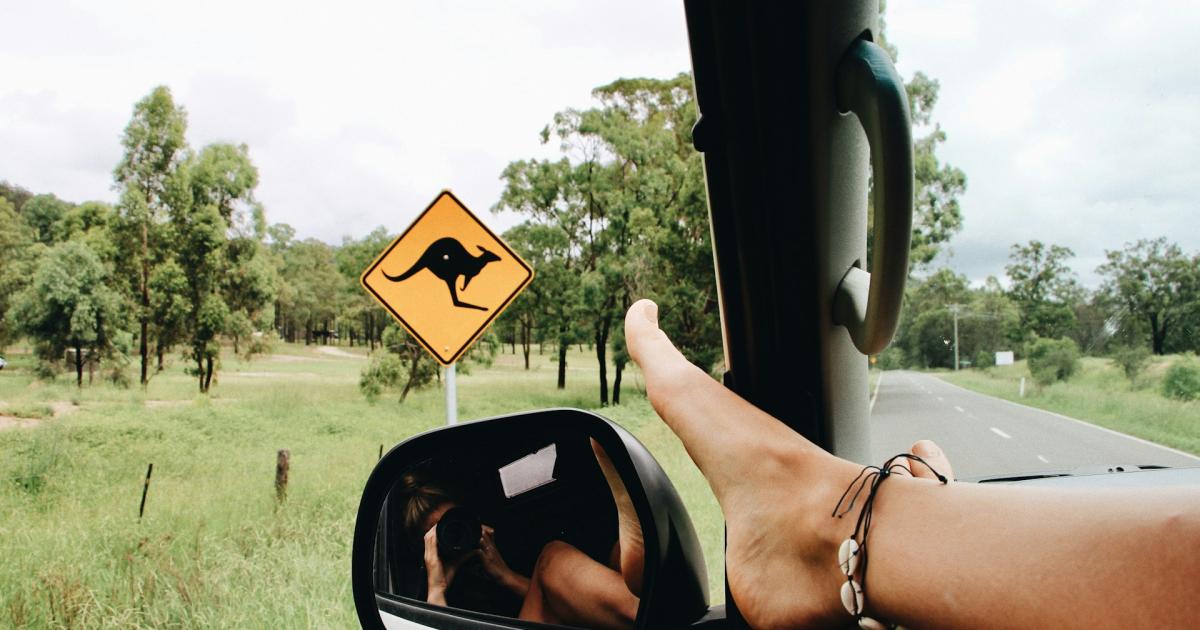

Australia is built for the open road. Its east coast strings together reefs, rainforests, and easygoing cities along one long, scenic route. For curious families, that makes a road trip the best way to see it.
A drive also lets you learn as you go. You set the pace, stop where the interest is, and skip the rush of a packed tour. Sorting a reliable car early, from a provider like East Coast Car Rentals, takes one big worry off the list. Here is how to plan a trip worth remembering.
Why Is Australia Made for a Road Trip?
The distances are big, but the payoff is bigger. The east coast alone runs more than 2,000 kilometers of coast, towns, and national parks. A car turns that sprawl into a story you drive through.
The route is also forgiving. Sealed highways link the main stops, and towns appear at sensible intervals. That makes it manageable even for first-time visitors.
Best of all, it suits every pace. You can cover ground fast or linger for days. A road trip bends to your family, not the other way around.
A rental is a company that provides a car for a set period. That freedom is what makes the trip yours. You choose the stops, the timing, and the detours, without a fixed tour schedule.
There is a learning bonus too. Kids absorb geography, wildlife, and history far better on the ground than from a book. Each leg of the drive becomes a lesson they actually remember.
Which East Coast Stops Teach You Something?
The east coast is a natural classroom. These stops mix wonder with real learning.
1. The Great Barrier Reef. This World Heritage reef is a living lesson in marine life.
2. The Daintree Rainforest. One of the oldest rainforests on Earth sits near Cairns.
3. Sydney. History, harbor, and culture anchor the southern end.
4. Byron Bay. A relaxed coast town with lighthouse walks and whale season.
5. The Gold Coast. Beaches and theme parks give younger travelers a break.
6. Brisbane. A friendly city hub with museums and riverside parks.
Each stop rewards a slow look. A road trip lets you give the best ones the time they deserve.
How Do You Plan a Family-Friendly Drive?
Start with a realistic route. Pick 4 or 5 main stops rather than trying to see everything. Overpacking the map is the most common first-trip mistake.
Balance driving days with rest days. Long stretches behind the wheel tire everyone out. A family trip goes smoother when big drives are broken up.
Build in buffer time too. Weather, wildlife detours, and a great beach can all change the plan. A little slack keeps the trip fun rather than frantic.
Match the route to your kids' ages. Younger children need shorter drives and more beach days. Older kids can handle longer legs if there is a payoff at the end.
Give children a role in the planning. Let them pick one stop or track the map each day. Ownership turns a long drive into their adventure too.
What Should You Sort Before You Set Off?
A few basics make the whole drive easier. Check these off before you collect the keys.
• Your license: most visitors can drive on a valid overseas license.
• The right car: size it to your family and luggage.
• Insurance: understand the cover and any excess.
• A one-way plan: ask about picking up and dropping off in different cities.
• Travel health: review basic travel health advice before you go.
Sorting these early avoids stress at the counter. It also means more time for the fun part of the trip.
How Do You Keep the Trip Safe and Smooth?
Remember that Australians drive on the left. It feels odd for a day, then becomes second nature. Take the first drive somewhere quiet to adjust.
Respect the distances and the wildlife. Roos and other animals are most active at dawn and dusk, so avoid driving then. Seasoned Australia travel tips stress regular rest stops on long legs.
Keep everyone fed, watered, and rested. Simple snacks and regular breaks prevent meltdowns. A calm car is a safe car on a long road.
Watch the fuel gauge on remote stretches. Towns can be far apart once you leave the cities. Filling up early is smarter than hoping for a station around the bend.
Plan for connectivity gaps too. Mobile signal drops in rural areas and national parks. Download maps and key bookings before you lose the bars.

What to Remember
• Australia's east coast is ideal for a slow, curious road trip.
• The drive doubles as a hands-on classroom for kids.
• Pick 4 or 5 stops rather than cramming the map.
• Balance driving days with rest days and buffer time.
• Sort your license, car, and insurance before you set off.
• Drive on the left and avoid dawn and dusk on rural roads.
Hitting the Australian Open Road
A road trip is the honest way to meet Australia. Plan a loose route, sort the car early, and leave room to wander. Do that, and the east coast becomes a trip your family talks about for years.

Frequently Asked Questions
Can I Drive In Australia On a Foreign License?
In most cases yes, if your license is valid and in English. Rules vary by state, so check before you travel. Carry the physical license whenever you drive.
How Long Should an East Coast Road Trip Take?
Two to three weeks suits the Sydney-to-Cairns run comfortably. You can do it faster, but you will miss the best stops. More time means fewer long driving days.
Is Driving In Australia Hard for Visitors?
It is straightforward once you adjust to driving on the left. Highways are well signed and generally quiet. Start with a short, calm drive to build confidence.
What Is the Best Car for a Family Road Trip?
Match the car to your group size and luggage. A midsize or larger car suits most families with kids. Ask about one-way rentals if you are not looping back.