Our global education expert shares her guide to Global Citizenship Education: what it actually is, why it matters right now, what it looks like in real classrooms and in families, kindergarten through graduation, and how to include global citizenship education throughout your life.
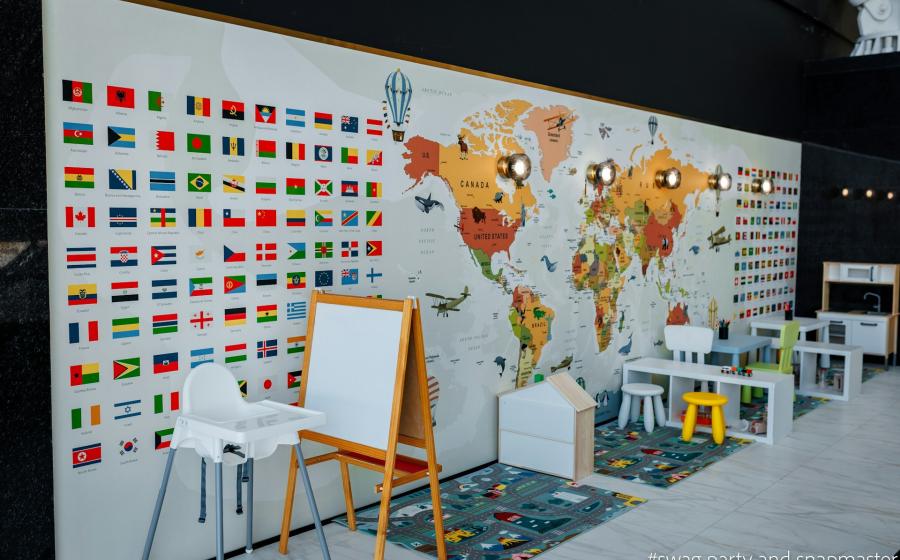


Here’s the sentence I’d tape to every family’s fridge and every teacher’s desk: fifteen minutes a day, every day, outlasts a themed activity or month every single time. Why? It's the power of compounding.

A “Countries of the World” week in April is a lovely photo op. What actually shapes a kid’s intercultural being is the small, repeated practice, the map that stays up, the question that comes back around, the habit that becomes a reflex.


The importance of cultural exchange for global understanding

A cultural exchange happens when people from different countries or communities come together to share their traditions, stories, art, and everyday life. Whether its through travel, study abroad, joint projects, festivals, or even online collaborations, it helps transform distant cultures into real faces and voices removing prejudices and stereotypes.

Asylum, as an internationally recognised lifesaving right, provides options for starting a new life to those who leave their homes due to war, violence, or any other serious human rights violations. But if not guided well, this journey towards asylum can bring problems.

When a person flees his country to a safe place, he leaves with a desire for safety, personal dignity, and a chance to live a better life. 

Every single application for asylum and policy debate on immigration and refugees revolves around a human being who has left a home, a personal story in search of a safe and secure future, free from violence and threats. 

The hardest and most painful thing one can imagine is to leave one's own home, family, and friends. The reason behind this may be different for each person. If I take my own example, I left my home for a higher quality of education and to explore opportunities in international human rights organisations. Since coming to the UK, I have seen people belonging to different corners of the world who came here for work, protection of life, and as refugees.