During my undergraduate studies in Ecosystem Science and Sustainability at Colorado State University, I was presented with a transformative opportunity to participate in a study abroad program titled "Communities and Conservation" in South Africa.


During my undergraduate studies in Ecosystem Science and Sustainability at Colorado State University, I was presented with a transformative opportunity to participate in a study abroad program titled "Communities and Conservation" in South Africa.

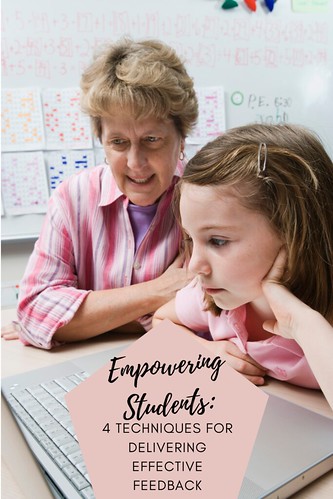
Feedback is essential to learning, as it helps students understand their strengths and weaknesses, identify areas for improvement, and track their progress. However, the process can be stressful for both teachers and students.
Ever caught yourself daydreaming about swapping the staff room for stunning mountain views? Teaching in Andorra might just be the ticket. Tucked away in the Pyrenees, Andorra's got more going for it than just Instagram-worthy landscapes. It's a place where teachers can mix their passion for the job with a dash of adventure. But don’t just pack your bags and go—there’s a bit more to it.
At a time in our country of great debate, there’s no debate about one thing: Teachers are the superstars of the U.S. education system. I’ve been leading special education teams and schools for 25 years of my 32-year social services career, and I continue to be amazed and awed every day by what teachers accomplish and how resourceful they are in accessing today’s youth.


In the complex and ever-evolving field of public health, effective leadership is not just beneficial...it's essential. As public health professionals face a myriad of challenges ranging from disease outbreaks to health policy changes, the need for strong, dynamic leaders becomes increasingly apparent. But what makes a great leader in public health? It's not merely about having expertise in epidemiology or health policy; it's also about how you guide your team, make decisions, and inspire action.

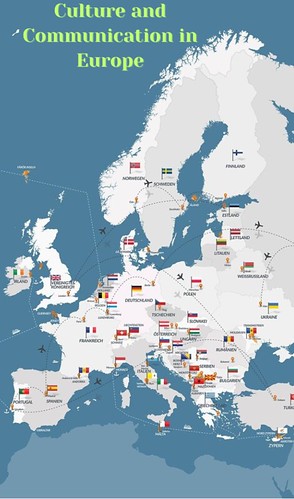
When it comes to studying and traveling abroad to a different country, it’s not just the cost of plane tickets that you need to consider. There are several factors that someone must prepare for, including the different types of cultures that you need to prepare and adapt for.
Imagine uprooting yourself from everything that is important to you. Taking yourself thousands of miles away from home and dropping yourself in a place that you feel is better for your future than where you were before. It doesn’t sound so daunting with all the technology today, but imagine being across oceans from those who are most important to you.
That is the reality of the American Dream, and it is a topic that gets glorified across the world.

All children are unique. They have unique lives, with unique lived experiences and opportunities. They have unique strengths, needs, and interests. They have unique family units, backgrounds, and identities.
In schools, these unique children come together and share a learning environment.
As teachers, we must find ways to embrace the uniqueness of the students we teach, while creating learning opportunities based on a singular curriculum.
“Alone we can do so little; together we can do so much.” ~ Helen Keller.
Team building is an essential element of any work or educational setting. For educators, it’s all about maximizing impact and teaching students in the best way possible—but it doesn't come without challenges. By understanding how effective team building works, educators can create more positive experiences and successful results with their colleagues.
There’s no denying that during elementary school, children learn fundamental skills including writing, math, critical thinking, and problem-solving. The introduction of artificial intelligence may hinder their ability to think for themselves and stifle their creativity.
So, what is the solution? Until a child is literate, can read and comprehend what they are reading, write clearly and convincingly, and compute through basic algebra using only their own brainpower, do not introduce artificial intelligence into the elementary classroom.