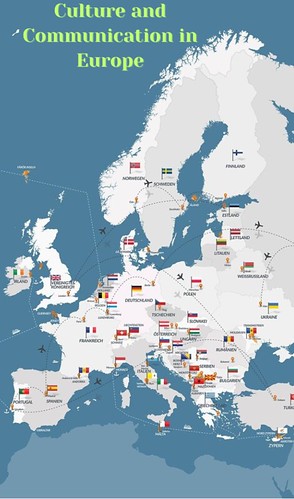

Most people think studying overseas means lectures, assignments, grades, and degrees. Yet when the actual time comes, there are other things that provide international education. Handling cash, getting used to new habits, trying out a new language and cultural mores - these are all educational experiences that come up again and again outside the lecture halls. What sticks often arrives without warning, during grocery runs or daily moments on transit.

Ever wondered what it’s like to parent in another country? Where your kids encounter a different way of life, new friendships with distinct cultural norms and the challenge of starting a new school? While you’ll still face the same everyday parenting challenges you would at home, expat families also have a few extra surprises thrown in!

The way you truly learn about a place is by walking its streets, tasting its food, and chatting with locals. But if you want to understand a culture, festivals are the place to go.
Doesn’t make sense?
Festivals aren’t meant for tourists, but for the locals. They’re a chance to celebrate what matters most to them, and these events offer a rare chance to go from an observer to part of the flow.
You’re no longer just watching culture happen, you’re inside it.
When it comes to studying and traveling abroad to a different country, it’s not just the cost of plane tickets that you need to consider. There are several factors that someone must prepare for, including the different types of cultures that you need to prepare and adapt for.

Featuring first-person stories of people finding themselves in the middle of a culture that is foreign to them; each week, 22.33 will deliver interesting tales from people who share how they were able to create mutual understanding through cultural exchange.

Featuring first-person stories of people finding themselves in the middle of a culture that is foreign to them; each week, 22.33 will deliver interesting tales from people who share how they were able to create mutual understanding through cultural exchange.

Today we live in a globalized world where we constantly engage in cross-cultural dialogue on a daily basis. As a result of our participation in this growing multicultural environment, our cultural identities are being redefined, as we transcend borders, and broaden our connections to various communities, at home and abroad. While we have achieved new levels of peace and unity, it is evident that discrimination, prejudice, and bias still plague our society and impact our interactions with others.