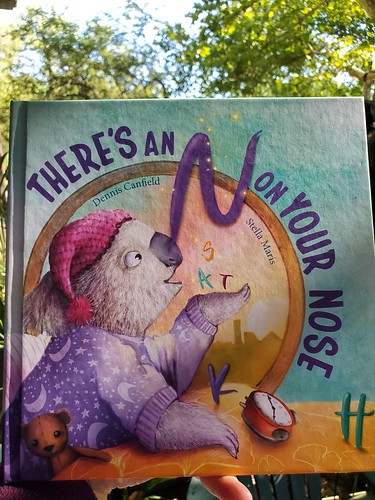

Educators know better than anyone: Not all students are created equal. A student’s interest and ability to gain skills and information are highly affected by that student’s home life — if parents or guardians aren’t engaged in their child’s education, the child likely won’t be an enthusiastic or effective learner. This is especially the case with fundamental skills that should be practiced early and often, like literacy.

Learning to read can help many adults overcome poverty and become self-sustaining, but in many countries it’s not a high policy priority. At the Shikharapur Community Learning Center in Kathmandu, the Family Literacy Program, developed with funding from UNESCO’s Capacity Development for Education for All (CapEFA) program, mothers and children learn to read together. In Nepal, 75.5 percent of men and 57.4 percent of women can read.