

August
06
/ 2026
History, street-side: why a great historic walking tour belongs on your itinerary, whenever you travel.

History, street-side: why a great historic walking tour belongs on your itinerary, whenever you travel.
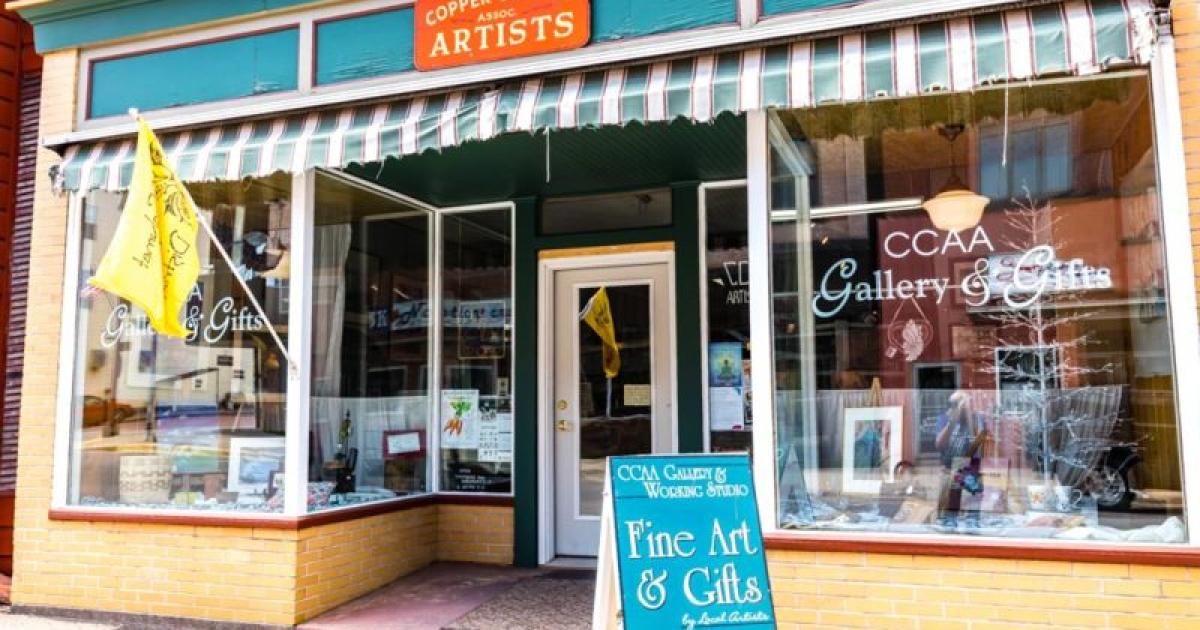
One of Michigan's Upper Peninsula's longest-running and most beloved summer traditions returns this weekend as the 65th Annual Eagle Harbor Art Fair welcomes visitors to the shores of Lake Superior on Saturday, Aug. 8, and Sunday, Aug. 9, 2026.


You're not alone - we've got tips! Mental Health and Travel: Benefits, Travel Anxiety, and How to Travel with Depression

Travel for Education: Horticulturist Skills, Self Learning, and Plant Expertise
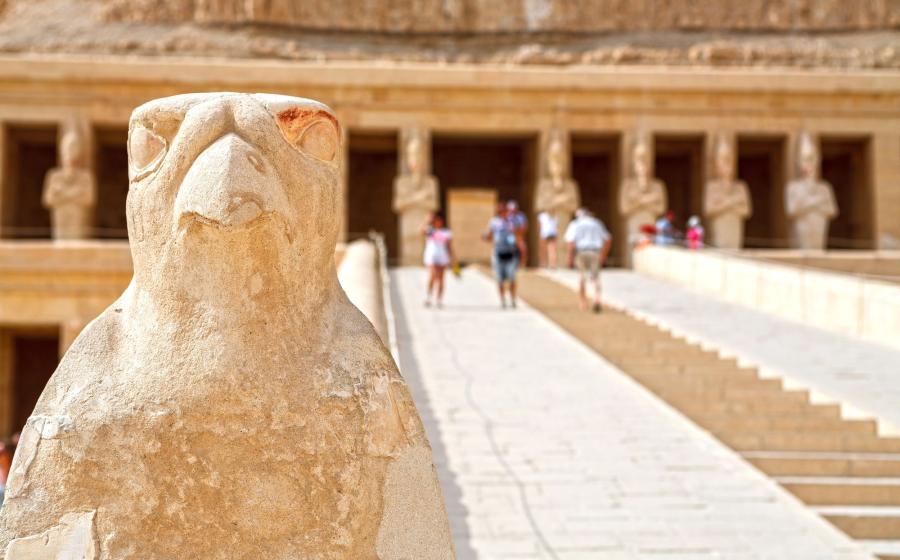
You've been dreaming about it since you were a kid...it's time to go! Here's our independent guide to ancient Egypt tours: Nile cruises vs land tours, how to vet an Egyptologist guide, when to go, what it costs, and how to book well.


Read on to learn more about picking the right car for your travel needs during your next New Zealand holiday adventure.
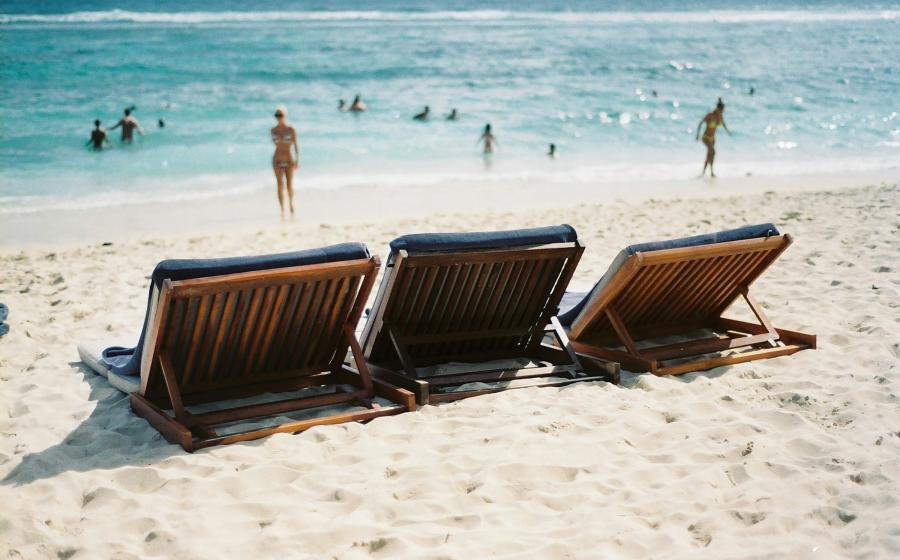
Wondering what bikini styles are actually worth packing this year? Here are the 2026 trends worth knowing.
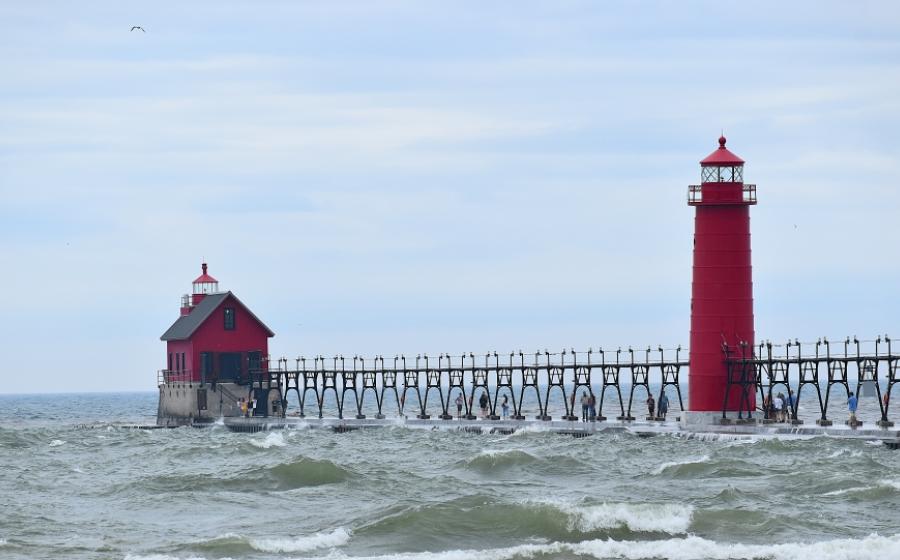
Explore the small towns of Michigan with Amy Piper's new book, Small Town Michigan: Legends, Lore, and Attractions in the Wolverine State. Here's our author interview for the interesting backstory!

It can be hard to travel with your family! We've got a better way: group vacation rentals for multi-generational travel: how to choose one that actually fits every age, budget, and need under a single roof.

Multi-generational travel, minus the meltdowns: how to plan one trip that works for toddlers, teens, parents, and grandparents alike.